I’m not a fan of Jake Paul.
I never have been.
But at some point, in boxing, we have to stop lying to ourselves.
Jake Paul is not a great boxer.
He probably never will be.
But he’s become something far more unsettling: he reminded us that you have to know how to sell your fighters, how to tell a story.
Talent and punching power are one thing… but the real challenge is capturing the public’s attention, putting people in arena seats, and selling pay-per-view.
On that front, Jake Paul has outplayed all of us.
In Quebec, we like clean paths.
Clear steps.
Fighters who come up through the amateurs, who pay their dues, who earn tiny purses, who learn patience before demanding anything.
It’s noble.
It’s respectable.
But it’s not the only way to exist.

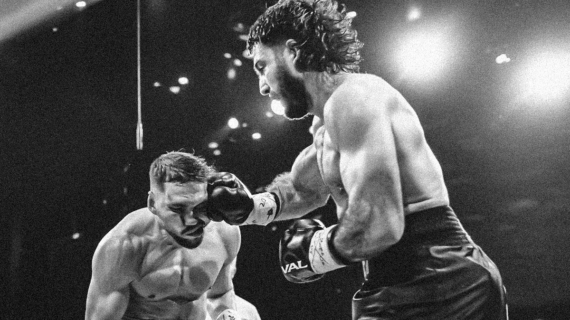
Photo: BBC – Jake Paul
Jake Paul didn’t follow that path.
He showed up with a camera, a built-in community, and a confidence bordering on arrogance.
We laughed.
We called him a clown.
We refused to take him seriously.
Then he won.
Then he won again.
Then he sold.
His brother Logan did the same thing in professional wrestling.
And that’s when the discomfort set in.
Because Jake Paul understood something boxing still refuses to admit: visibility comes before legitimacy—not the other way around.
You can be good, even great, but if no one is watching, you don’t exist.

Photo: Sports SINDOnews.com – Jake and Logan Paul
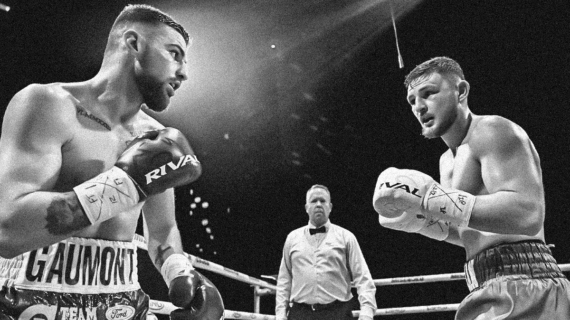
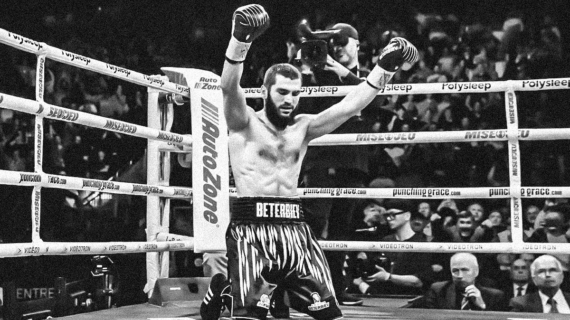
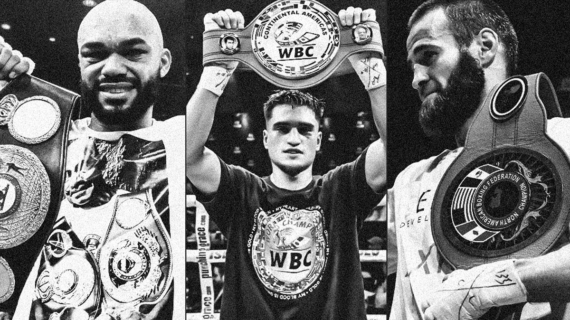
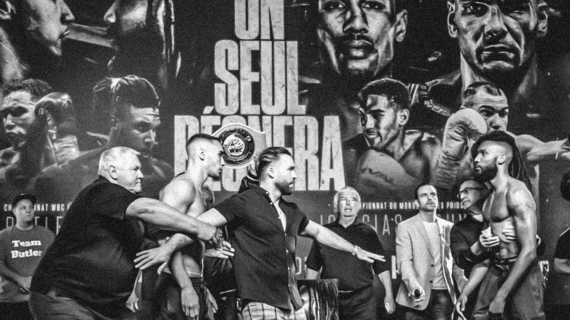
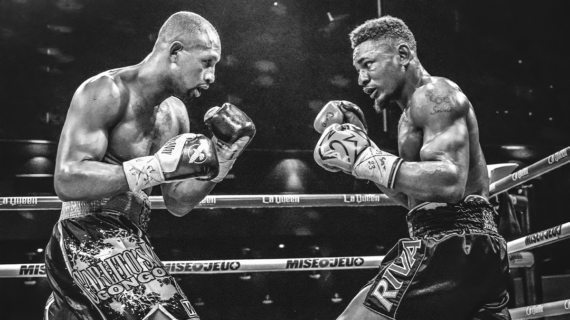
Here, we have boxers a hundred times more complete, more technical, and more courageous than Jake Paul.
Men and women who fight for belts, for rankings, just to survive in a ruthless sport.
Yet they still have to fight for a headline, a broadcast slot, a decent payday.
Meanwhile, Jake Paul fills arenas with a serviceable right hand, average defense, and a well-told story.
The numbers
-
1.2 million PPV buys against Nate Robinson, an NBA star.
-
$20–40 million purses per fight.
-
75 million followers across Facebook, Instagram, and TikTok.
It shocks us because it disrupts our romanticism.
We love the underdog, the neighborhood boxer, the one fighting to pay the rent.
Jake Paul fights to pad his bank account. It’s not inspiring—but it works.
The real affront isn’t that he fights former athletes. It’s that he does it without asking permission. No need for traditional networks. No need for media validation. He sells. Period.
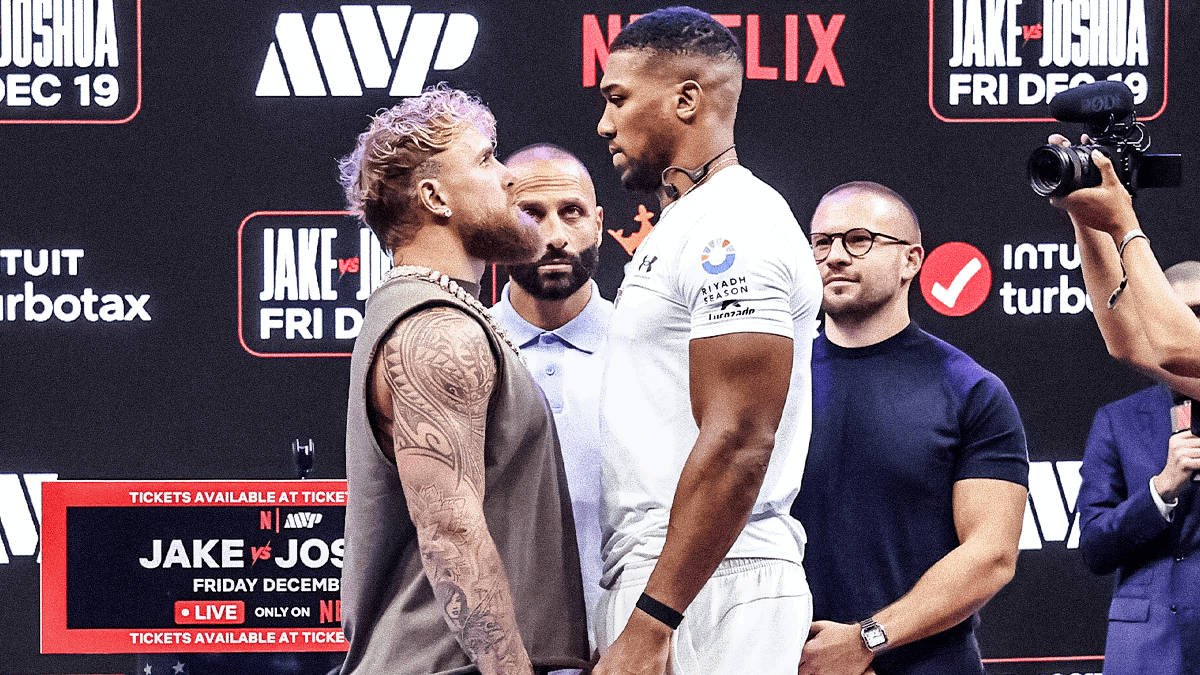
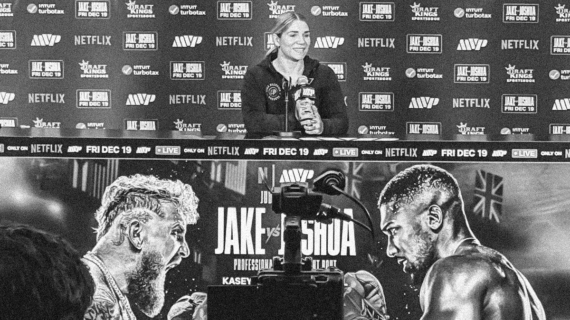
Photo: Jake Paul vs Anthony Joshua
Jake Paul is the only one in boxing who has managed to convert his social media audience into PPV buys, ticket sales, merchandise, and advertising.
According to the site BETMGM, his net worth is estimated at $120 million USD.
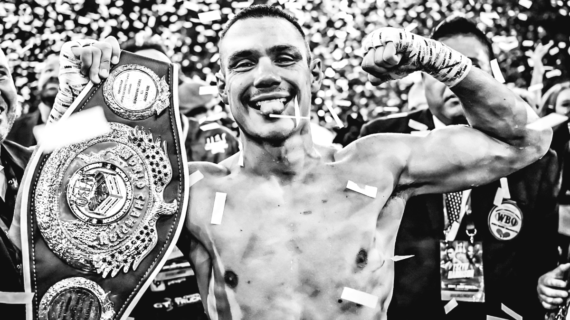
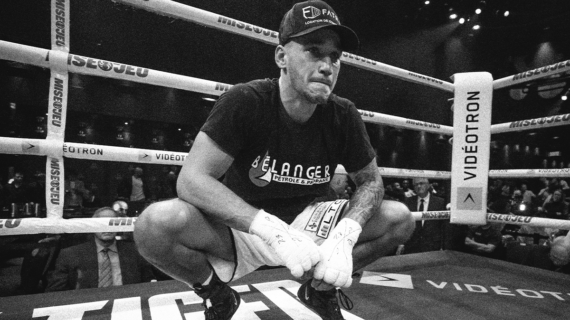
Even as a promoter with Most Valuable Promotions, he quickly climbed into the top 10, and even signed Tamm Thibeault and Kim Clavel.
When he lost to Tommy Fury, many people breathed a sigh of relief. Finally, boxing restoring order. Except that loss did exactly the opposite. It made him credible. He was no longer invincible, but he was serious. Imperfect, but committed.
Jake Paul isn’t cheating boxing. He’s using its gray areas. He’s reminding us that this sport has always been a mix of combat and storytelling, of talent and marketing. We just forgot.
The real discomfort isn’t Jake Paul. The real discomfort is what he exposes. A system where merit alone is no longer enough. Where media silence can be more fatal than a loss.

Photo: NBC – Jake Paul vs Tommy Fury
The question he forces us to ask is uncomfortable, but necessary:
do we want to keep producing excellent but invisible boxers, or finally learn how to tell their stories before others do it for them?
That’s why I eventually came to like Jake Paul—and that’s a hard confession to make.
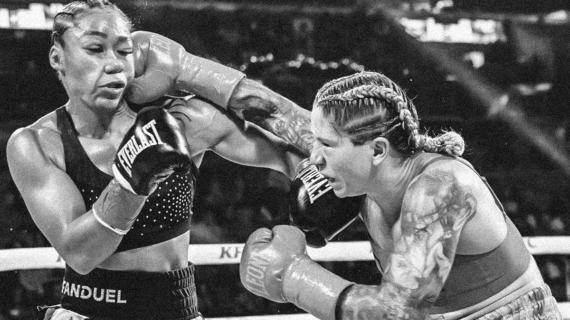
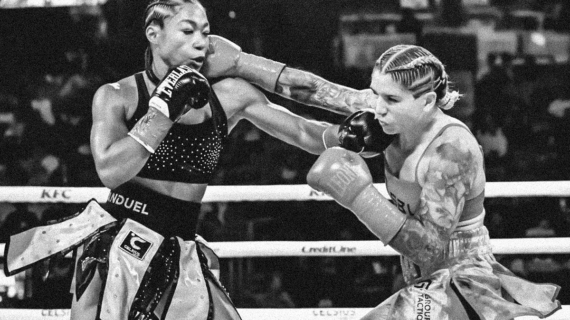
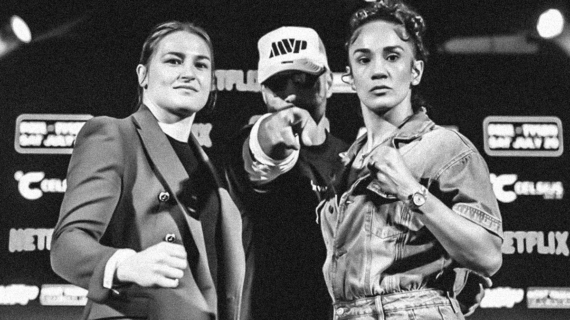
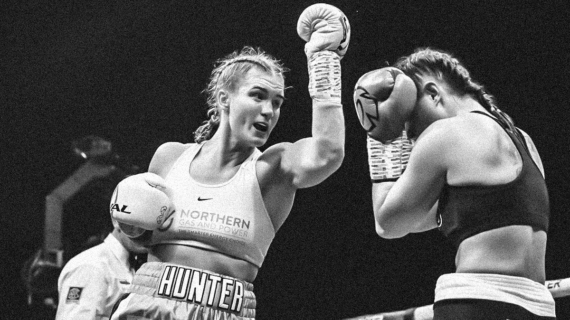
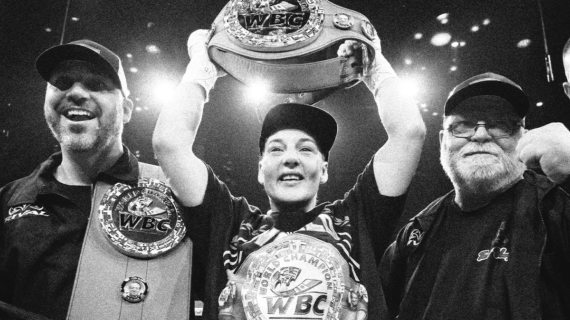
He has done a lot of good for women’s boxing, in terms of purses and the media visibility he brings to fighters like Katie Taylor and Amanda Serrano.
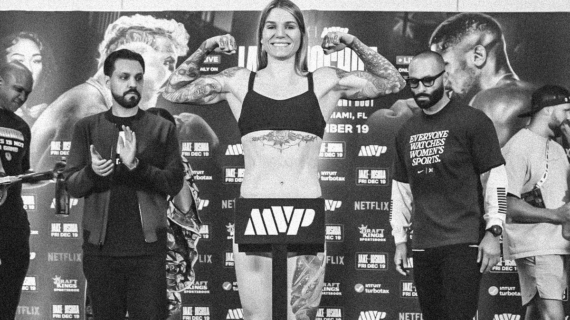
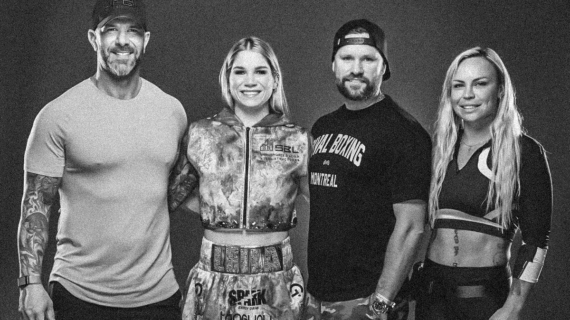
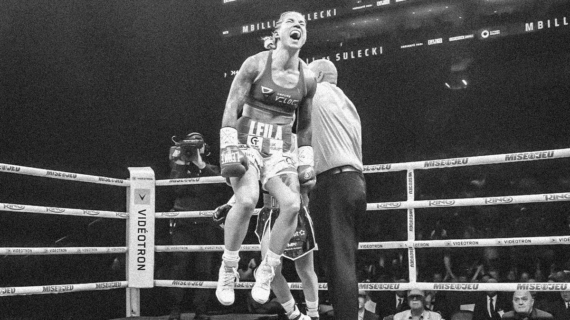
Tonight, my good friend Leïla Beaudoin will earn the biggest purse of her career and have more than 50 million pairs of eyes on her.
Jake Paul didn’t earn the respect of the boxing world—he earned something better than that: he no longer needs it.
And in modern boxing, that’s often where the real power lies.