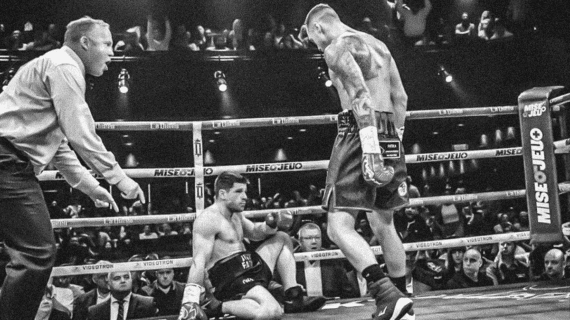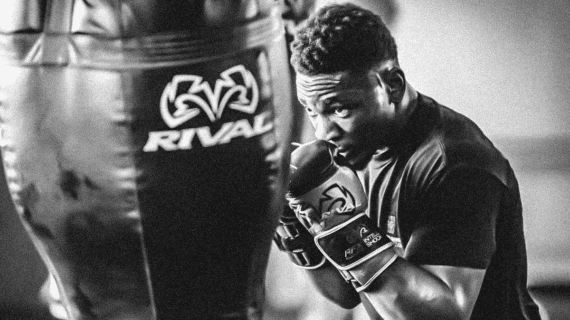
The bill introduced in 2025 by Mr. Enrico Ciccone aims to strengthen safety in combat sports in Quebec. In principle, the intention is flawless: better protecting athletes. And let me say this clearly from the outset: I am entirely in favor of the advancement of sport, and I would never oppose improvements designed to safeguard athletes’ health. Safety must always be a priority, and any measure that can genuinely protect fighters deserves to be considered.
But a law is not evaluated based on its intentions. It is evaluated on its feasibility, its coherence, and its concrete impacts. And when a reform is built without the people who live the sport every day, it risks becoming not only ineffective, but also dangerous for the future of the very environment it claims to protect.
The core of the bill is the addition of more comprehensive medical exams, including a mandatory brain MRI. On paper, the idea seems difficult to oppose. But boxing is not an abstract concept: it is a sport with logistical, financial, medical, and human constraints. An MRI is expensive, difficult to obtain quickly, and some would even argue that regularly repeating it in an asymptomatic athlete is scientifically useless. Imposing these tests repeatedly is not prevention; it is bureaucracy. Let’s remember that athletes already have forms to fill out regarding their physical health, physical exams to complete with a doctor, and they are re-evaluated before the weigh-in.
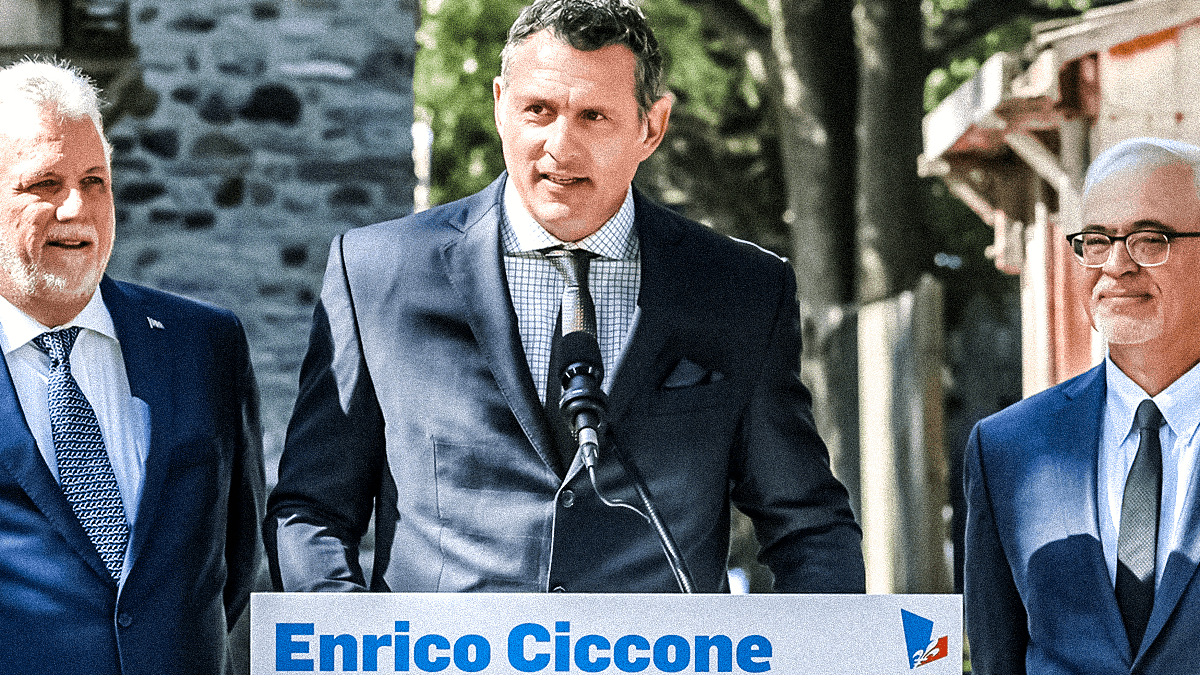
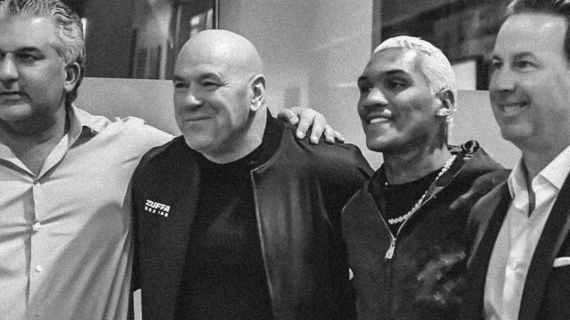
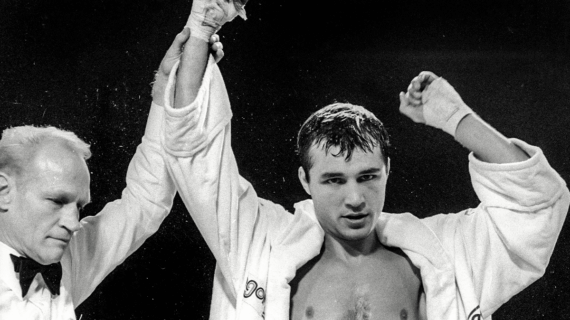
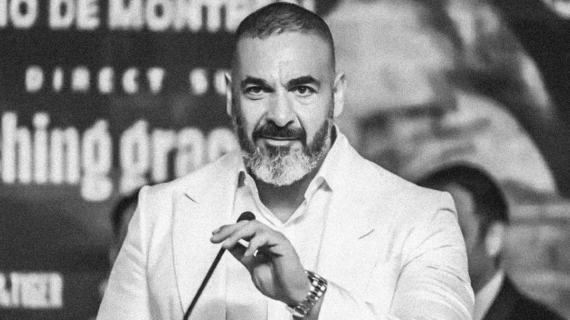
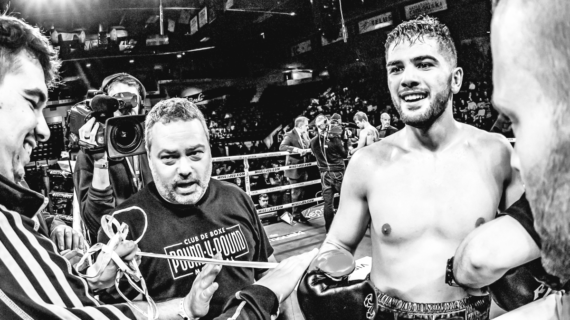
Photo: PLQ – Enrico Ciccone
Where the bill becomes truly disconnected from reality is in its requirement that all these exams be performed in Quebec, within the 30 days preceding a fight. Practically speaking, this would force foreign athletes to come here a month before the event, then leave and return a second time. No promoter, even the financially strongest, can absorb two international trips for a single fighter, plus a month of logistical expenses. This would mean the end of international opponents in the province, and therefore the beginning of the decline of the sport’s evolution.
The other possibility would be to bring the boxer in a few days before the event. But if an exam fails at the last minute for reason X or Y, the promoter loses thousands of dollars, the event loses a major attraction, and the sport’s credibility takes a hit. We have already seen false positives on blood tests. Abnormalities on scans that ultimately turn out to be normal. Doctors carrying out dozens of extra tests because they are not used to dealing with an athlete whose heart beats at 40 beats per minute.
On top of that is the rule stating that medical exams expire after 30 days. A fight postponed by two weeks? Everything must be redone. An administrative issue? Redo everything. This excessive rigidity adds absolutely nothing to the real safety of athletes, but adds enormously to administrative burden, costs, and the risk of cancellations.

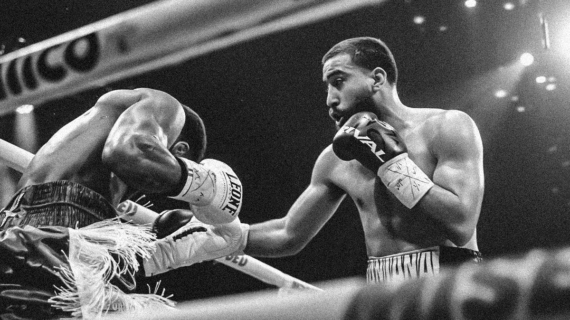
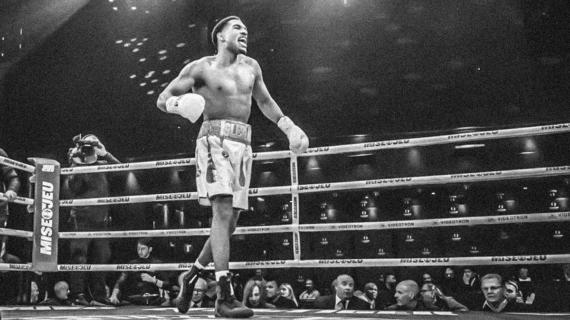
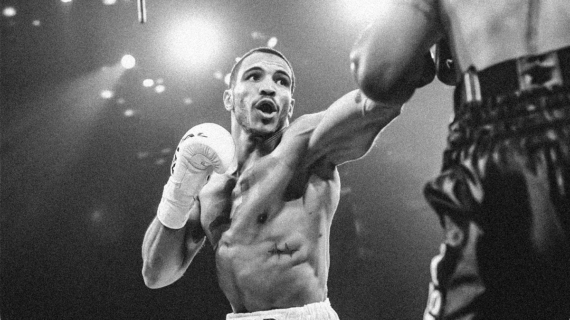
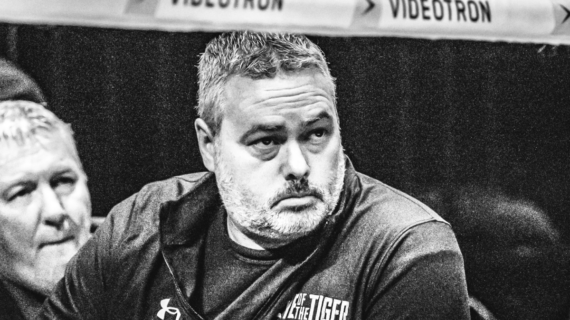
Photo: Montreal Canadiens – Enrico Ciccone
This lack of realism becomes even more striking when comparing boxing to other sports where blows to the head are commonplace. In the NHL and semi-professional hockey, bare-knuckle fights still take place today. No player has to undergo scans, MRIs, or specialized exams before dropping the gloves. And Mr. Ciccone knows this very well: he himself, known for his physical play and on-ice fights, never had to step into a clinic before fighting bare-handed. Yet it is boxing— a sport infinitely more regulated than hockey when it comes to fighting— that is being saddled with the heaviest bureaucracy.
Meanwhile, the Régie des alcools, des courses et des jeux is already carrying out serious, gradual, and consistent work to strengthen safety: consultations with stakeholders, progressive adjustments, enhanced protocols. It isn’t perfect— in fact, no institution is. But the efforts are genuine and aligned with reality. Progress is being made, reasonably, without jeopardizing the very existence of the sport.
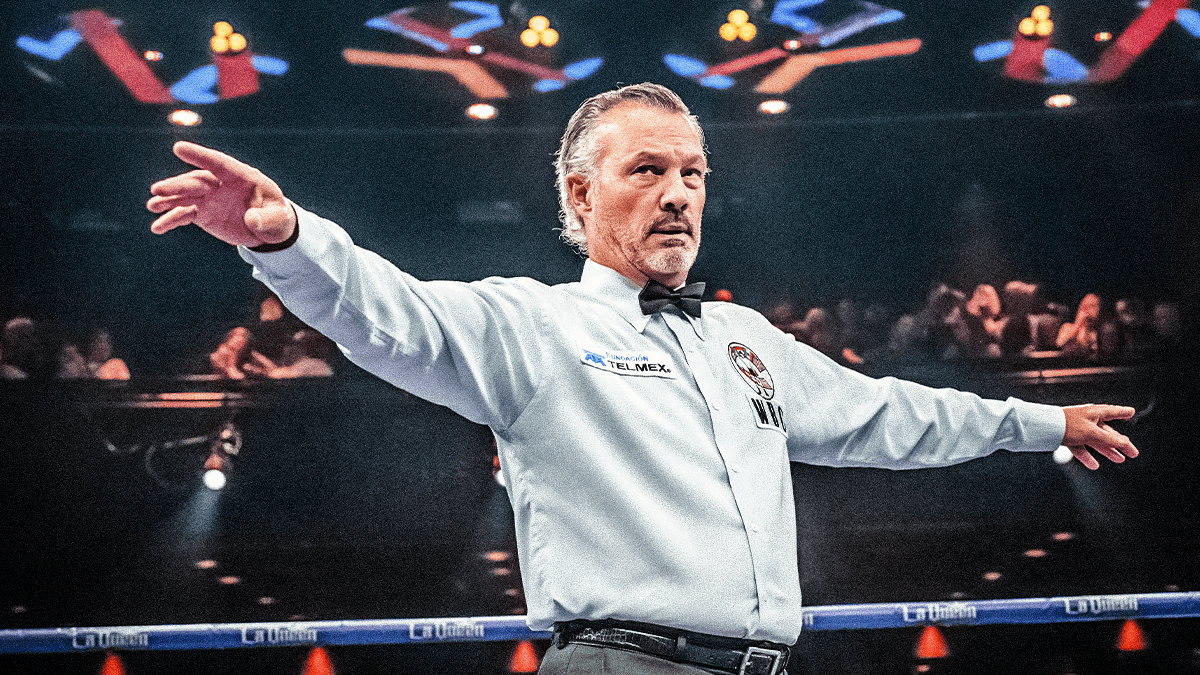
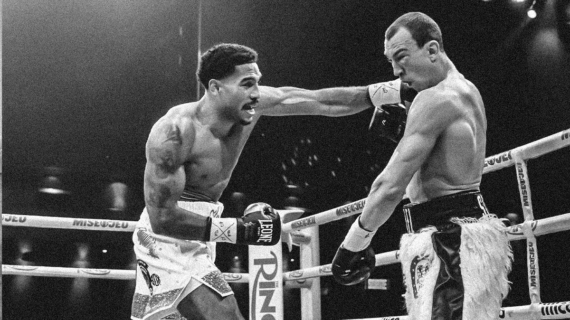
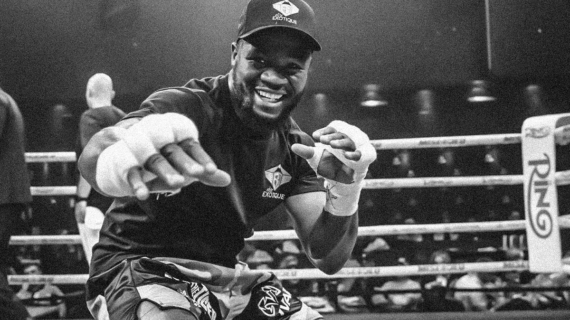
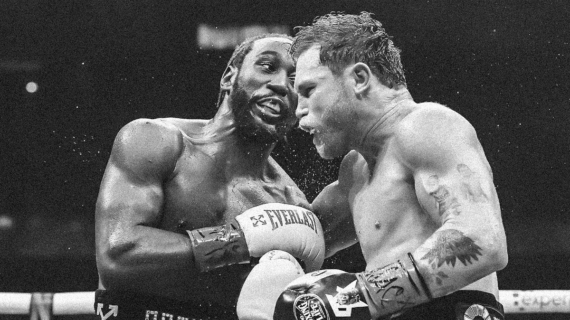
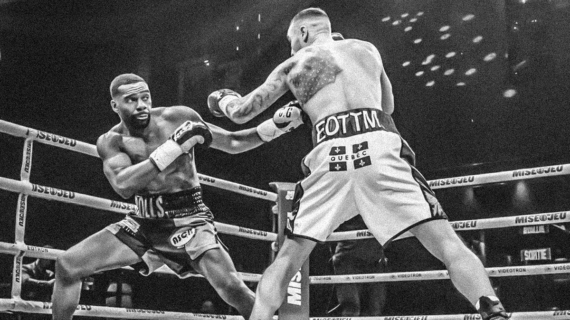
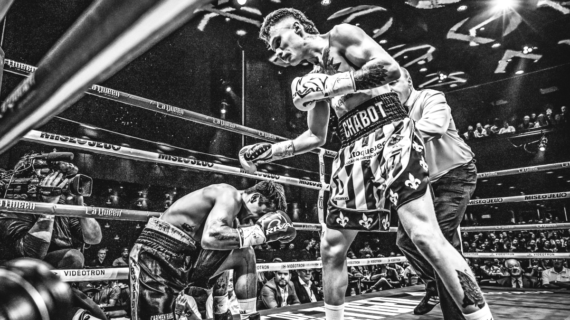
Photo: Vincent Ethier – Michael Griffin
This is why a reform of such magnitude must be built with promoters, coaches, officials, specialized doctors, and of course the boxers. They are the ones who understand what works, what truly protects athletes, and what, on the contrary, risks sabotaging the ecosystem. A top-down law, imposed without collaboration, creates problems instead of solving them.
Safety, yes. Improvement, yes. But coherence, realism, and consultation first. Mr. Ciccone’s bill, in its current form, lacks this essential understanding. Quebec boxing deserves better than a well-intentioned but disconnected text. It deserves intelligent reform, grounded in reality and built with those who care about the sport— just like all those who, day after day, work to improve athlete safety.