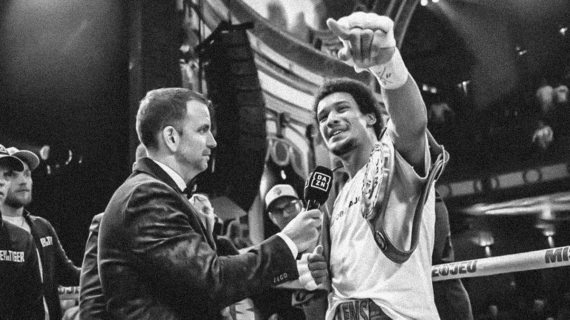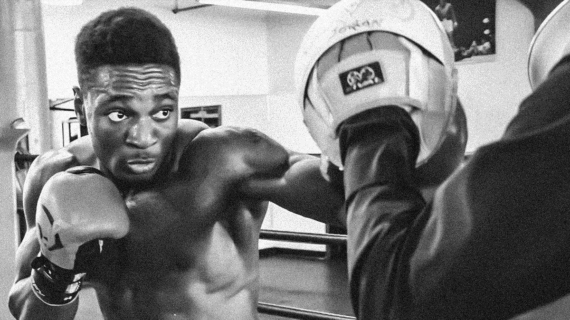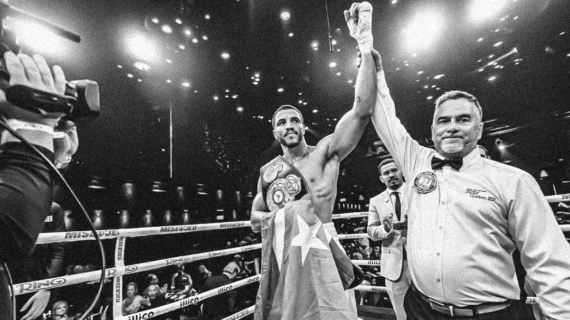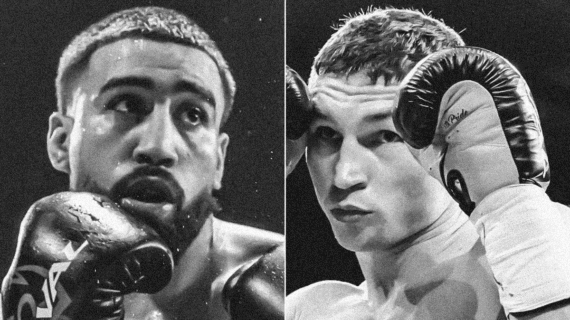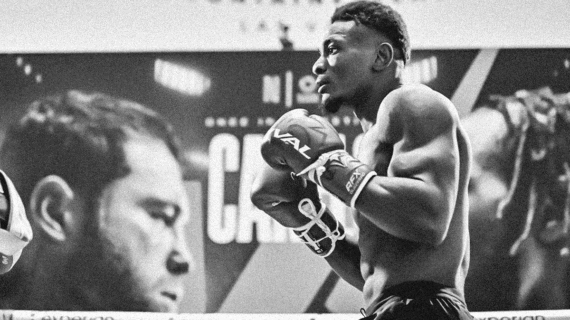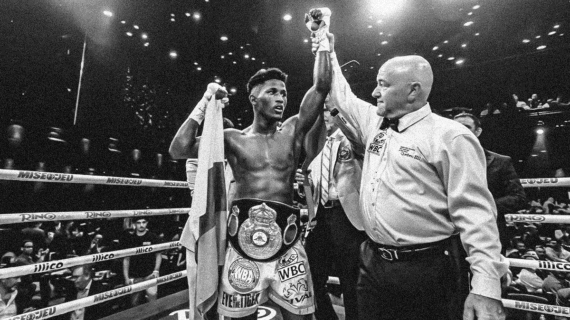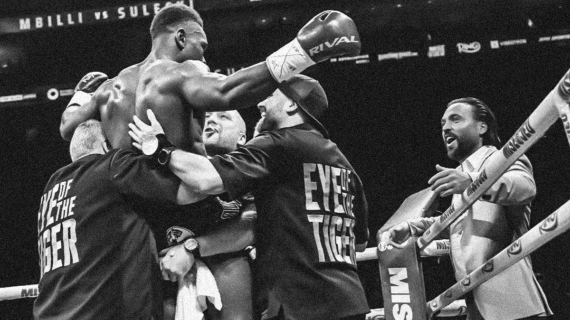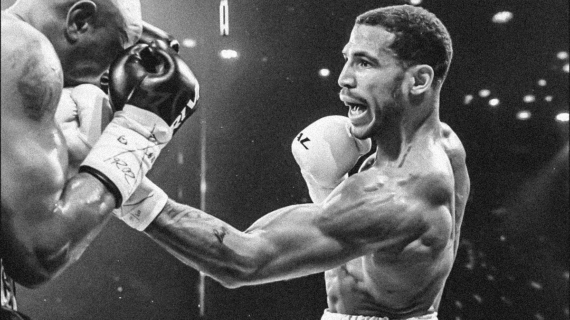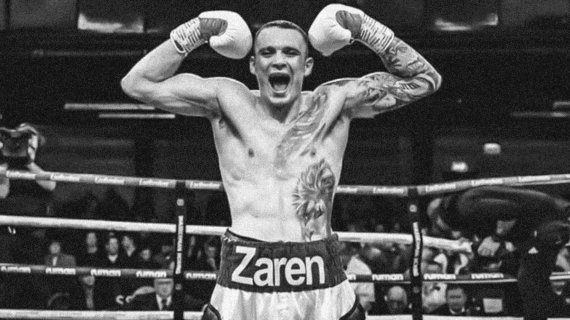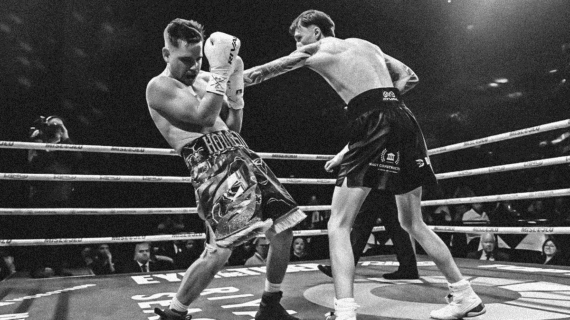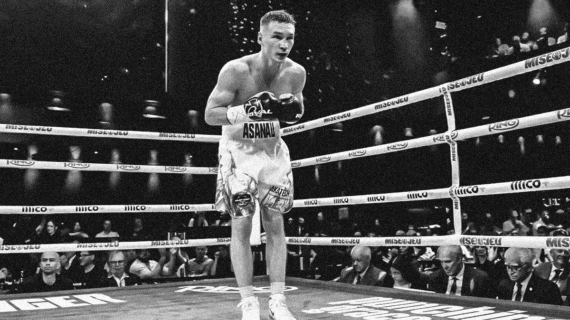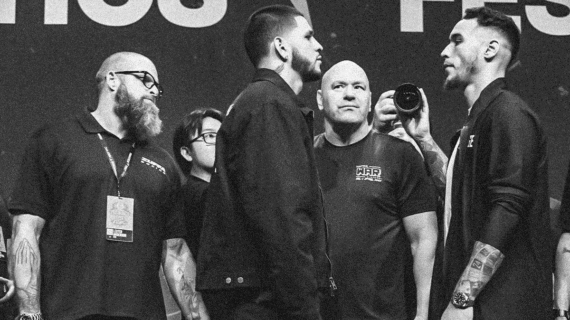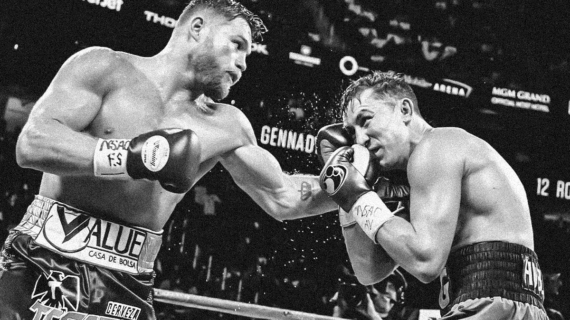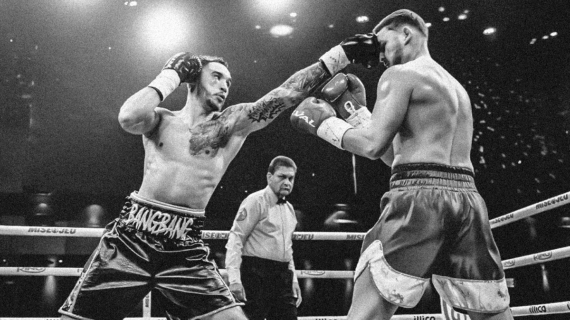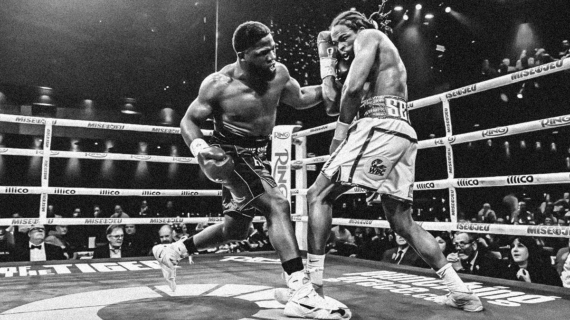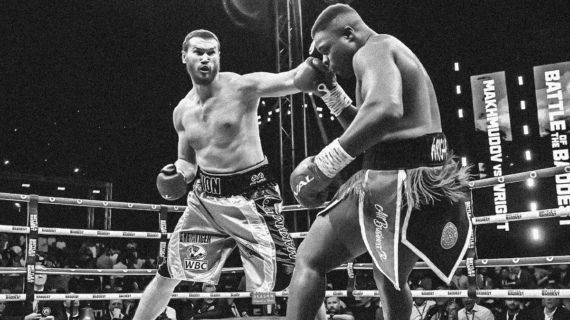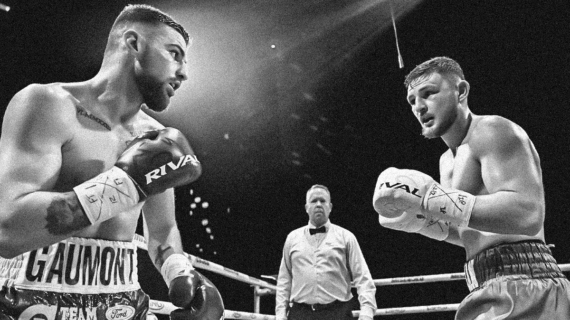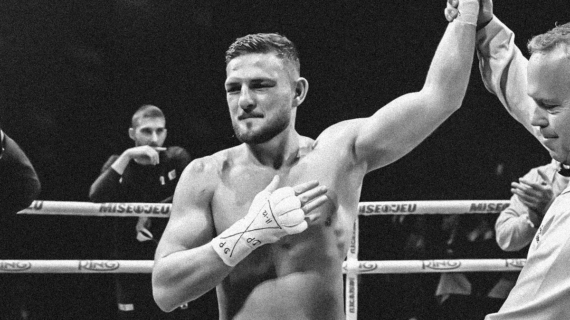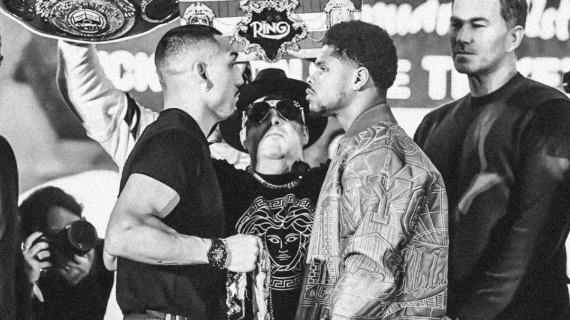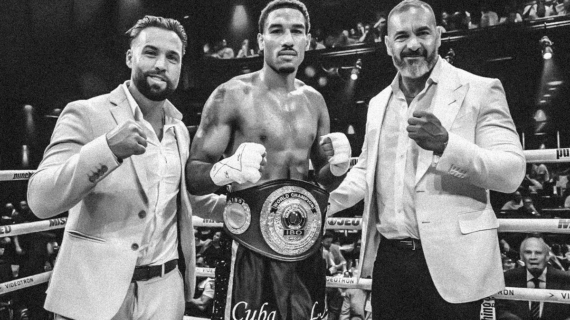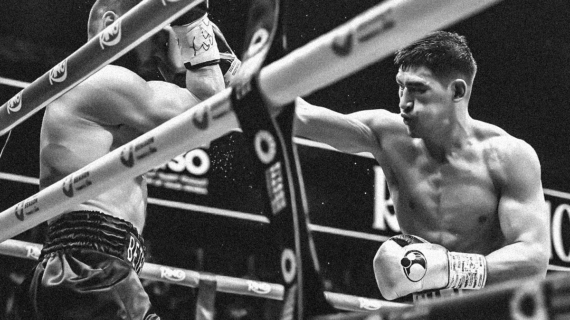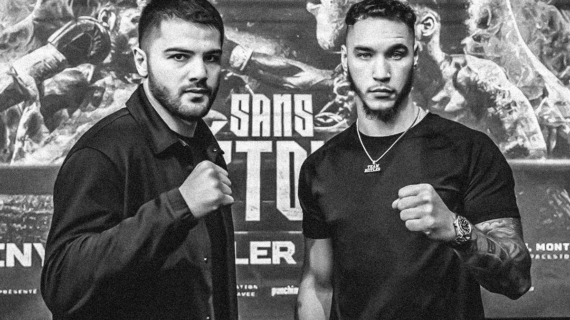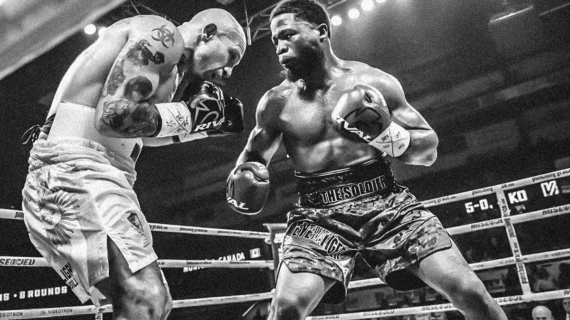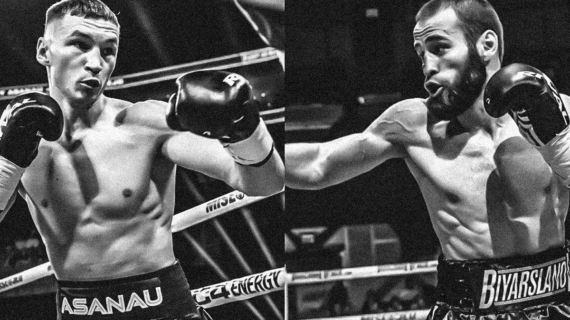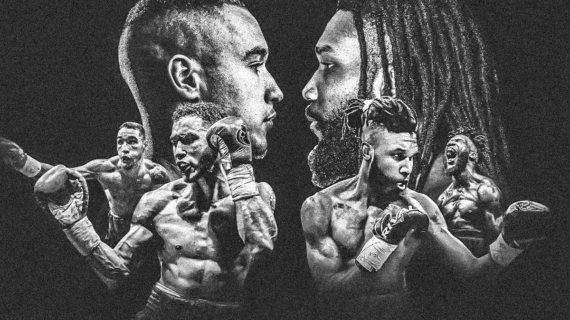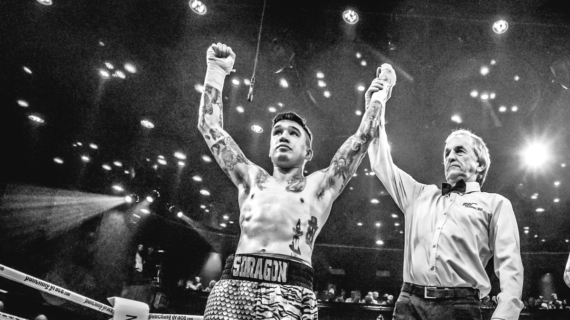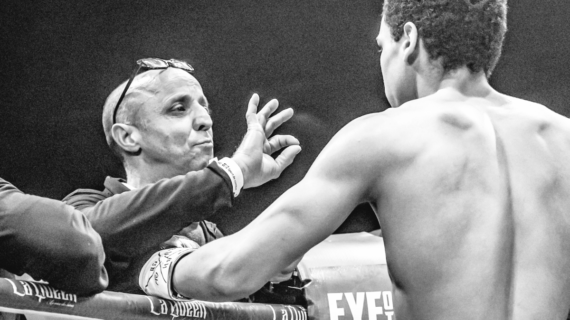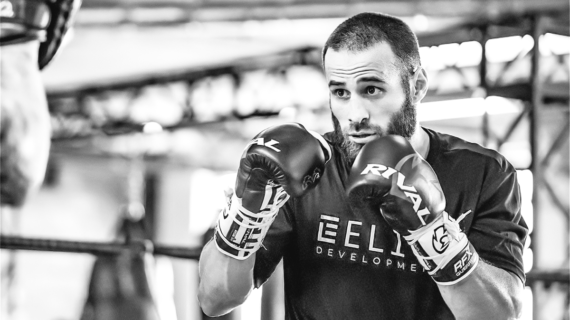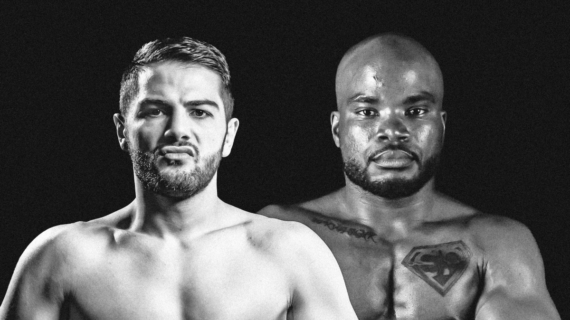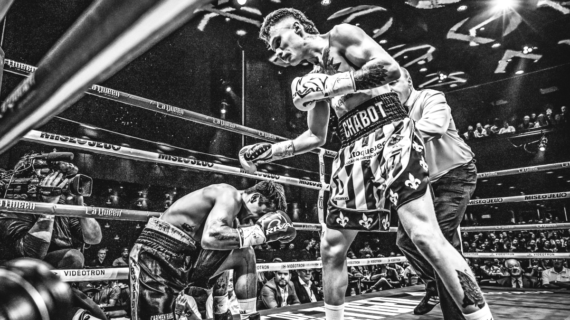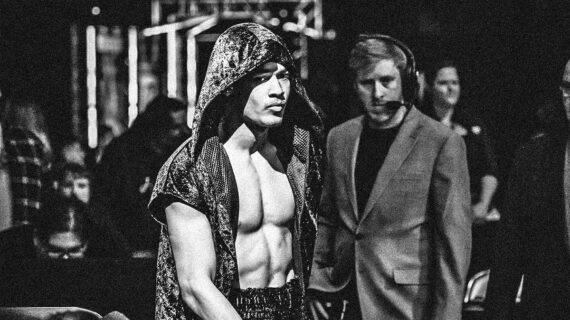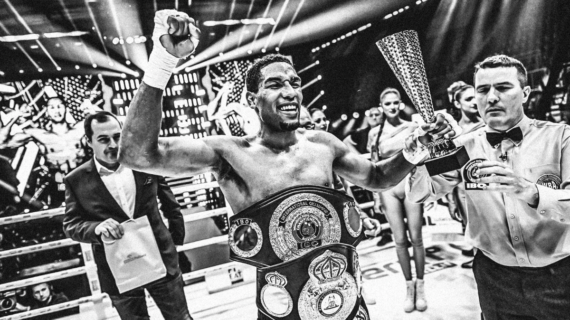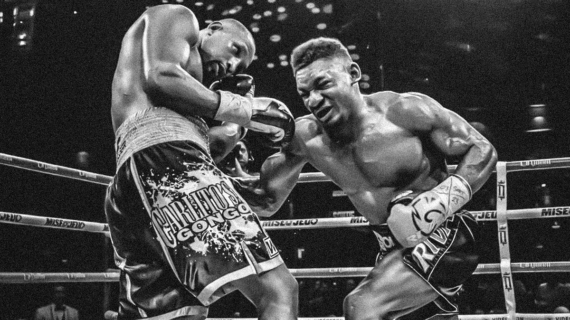
Boxing is changing.
Not quietly.
Brutally.
Alliances are exploding.
Broadcasters are switching sides.
Empires are crumbling while others are emerging.
And at the center of it all, one reality remains: promoters set the pace.
But first, we need to understand what kind of power we’re talking about.
Before ranking: power or depth?
Not all promoters dominate for the same reasons.
And that’s where the analysis becomes essential.
On one side, there are the stables built on the depth of their roster, those capable of putting together strong fight cards across multiple weight classes, with a constant pipeline of new talent.
When you ask insiders in the industry (those who prefer to remain anonymous), four names come up almost every time:
• Matchroom
• Queensberry
• Top Rank
• Premier Boxing Champions (PBC)
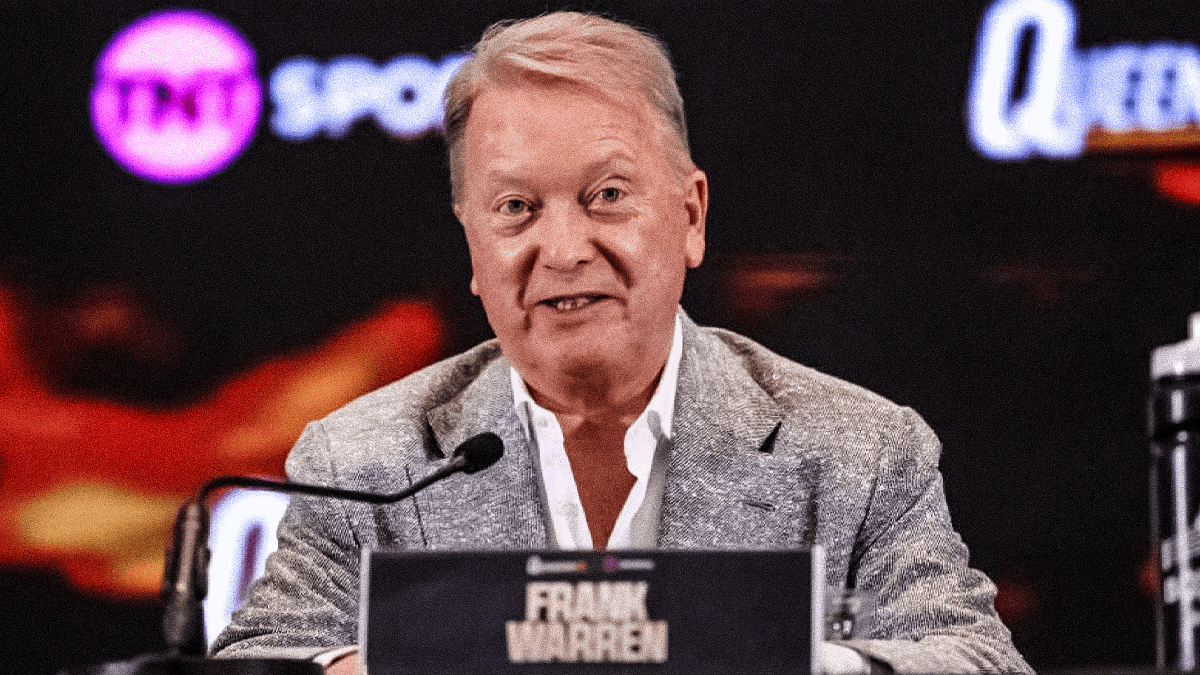
Photo: BBC – Queensberry Promotions (Frank Warren)
These organizations are built on years of development, recruitment, and sporting control.
On the other side, there are stables whose power relies primarily on financial strength and access to platforms.
In this category, two names stand out:
• Most Valuable Promotions (MVP)
• Zuffa Boxing
These organizations do not yet dominate through volume… but through their ability to change the rules of the game.
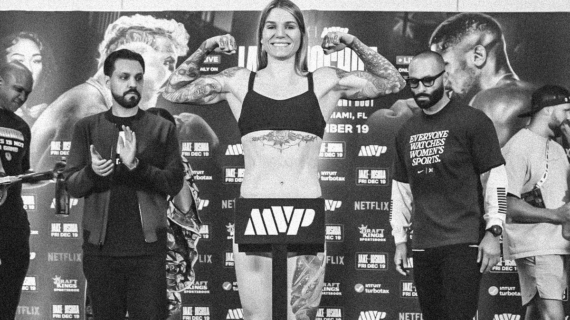
MVP, in particular, has already built real depth in women’s boxing, a sector long underestimated by traditional players.
Between these two models, some organizations manage to find a balance.
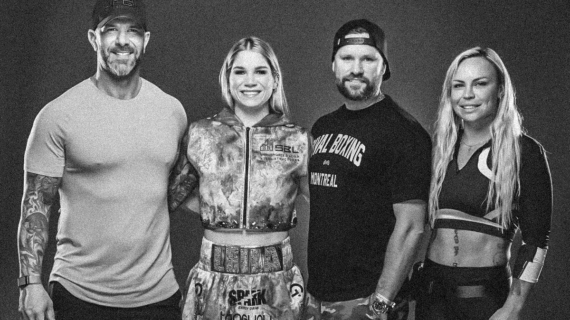
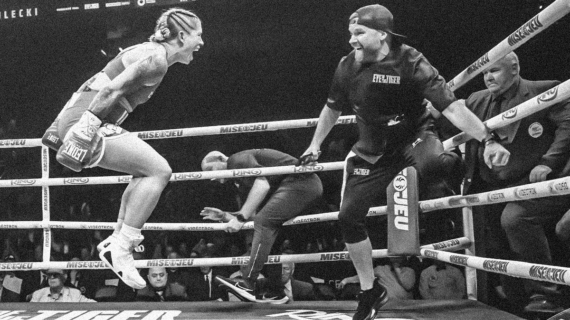
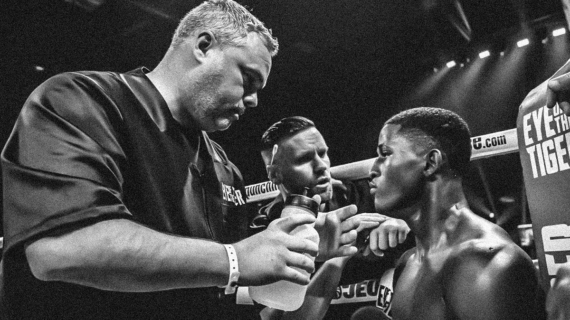
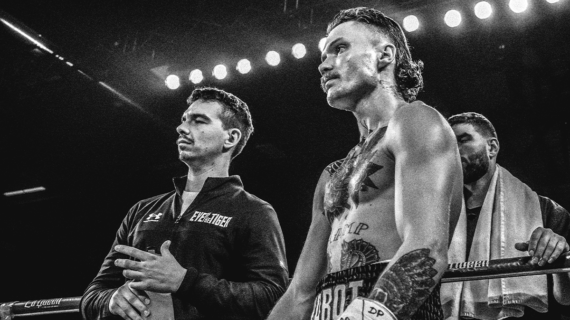
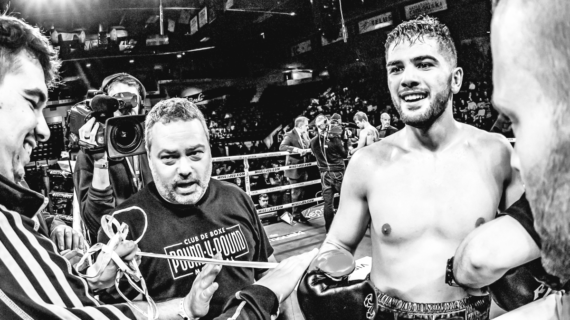
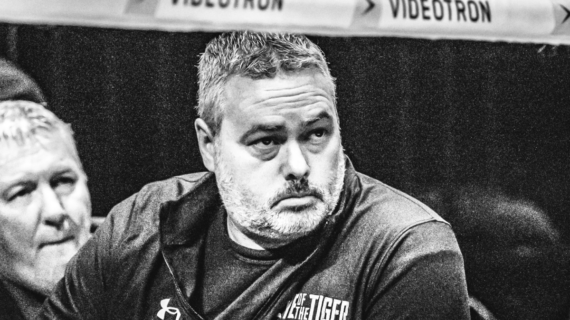
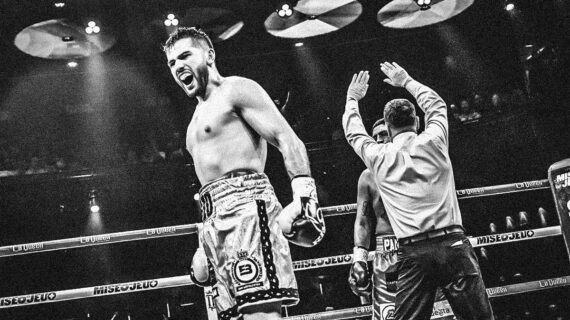
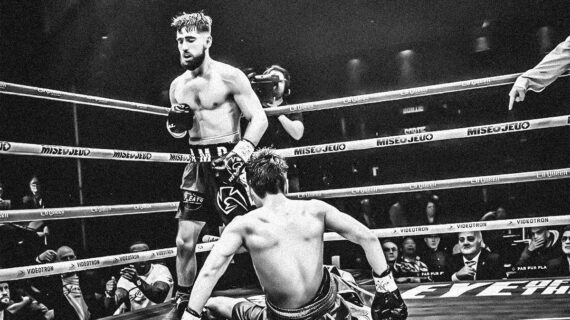
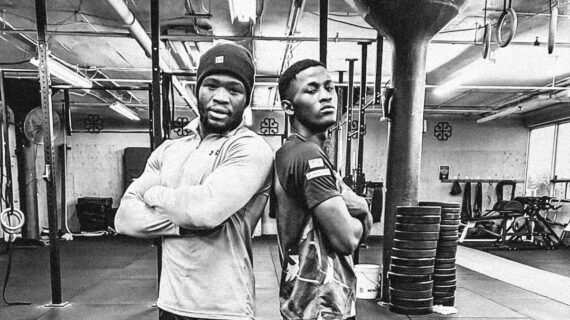
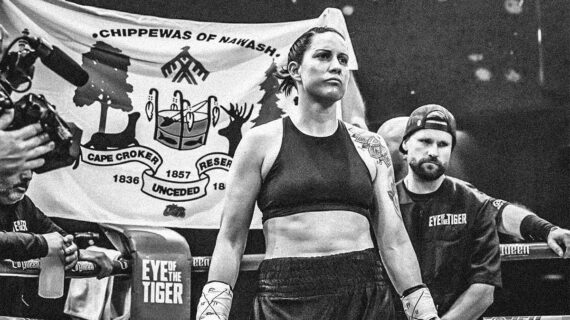
This is the case for the Quebec-based firm Eye of the Tiger Management, which, thanks to the smart consolidation of its champions and a multiplatform presence, has established itself as a structure that is both deep and agile.
A positioning that regularly places it between 5th and 6th place in several expert evaluations.
The elephant in the room
There is, however, one figure who is impossible to ignore… even if he is not, technically, a promoter.
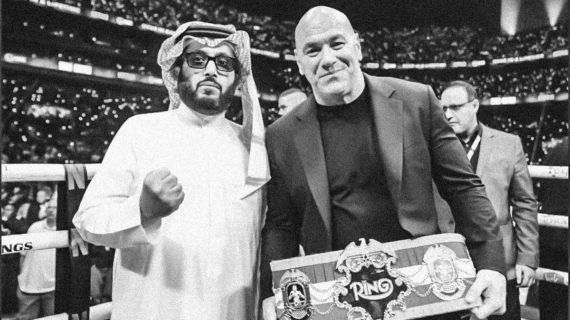
Turki Alalshikh.
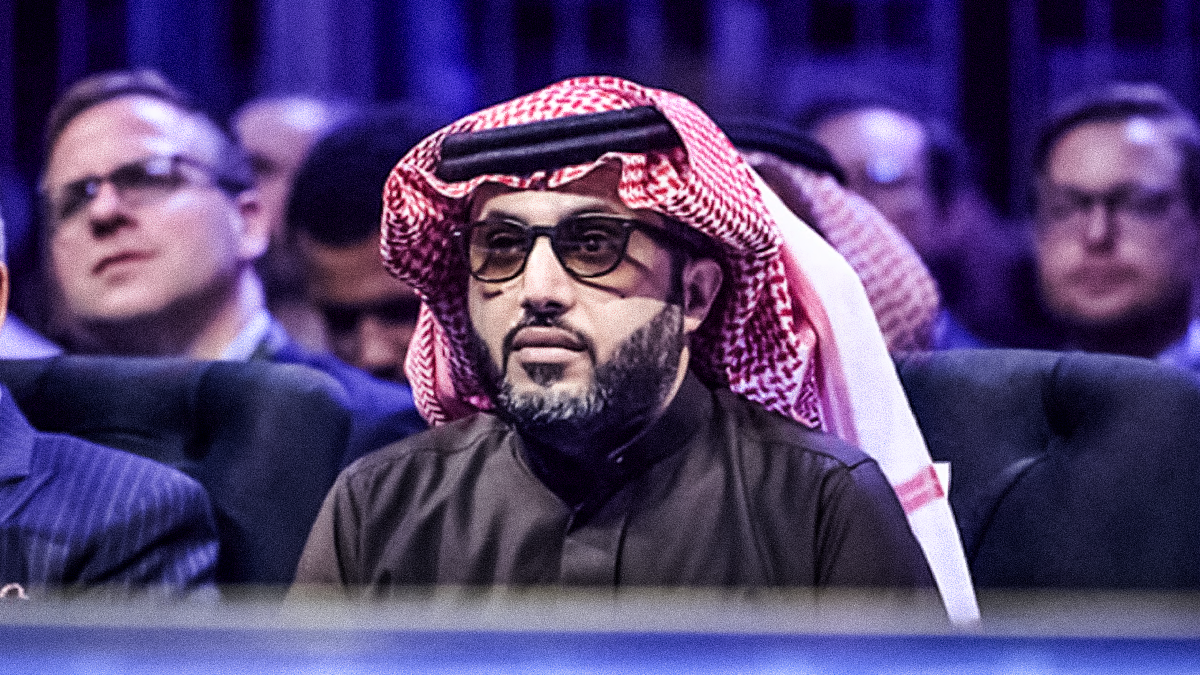
Photo: Sky Sports – Zuffa Boxing (Turki Alalshikh)
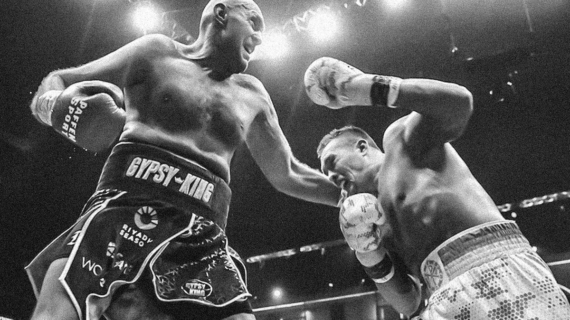
Through Riyadh Season and now The Ring, he has become the architect of the biggest matchups of the current era.
What he controls is not a stable.
It’s more powerful than that: the ability to make everyone say yes.
If Turki Alalshikh operated like a traditional promoter, with a formal structure and a stable roster, he would unquestionably be the number one in the world.
His resources are nearly unlimited.
His influence is immediate.
And most importantly, he delivers the fights that boxing had refused to make for years.
He is not a promoter.
But he is redefining what power means in boxing.
The 10 most influential promoters in 2026
1. Matchroom Boxing (Eddie Hearn)
The stability of the present.
Matchroom is currently the most reliable and structured machine in global boxing. Under the leadership of Eddie Hearn, the company has achieved something very few have managed: maintaining a consistent rhythm of high-quality events while preserving a strong international presence (United Kingdom, United States, Middle East).
The model is built on modern production, strong partnerships (notably with DAZN), and an ability to develop and showcase its talent over the long term.
- Strengths: consistency, brand image, global network
- Limitations: dependence on key markets (UK and USA)
- Status: Stable, efficient
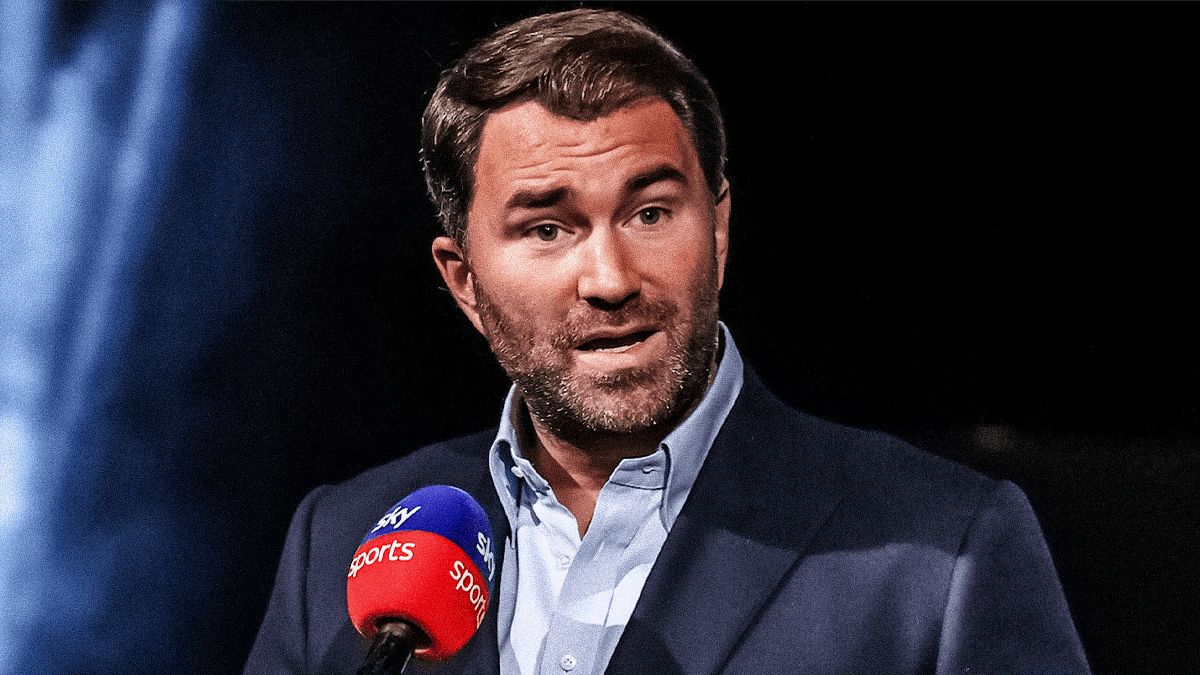
Photo: Sky Sports – Matchroom Boxing (Eddie Hearn)
2. Zuffa Boxing (Dana White / TKO / Turki Alalshikh)
The project that wants to change everything.
Even before being fully structured, Zuffa Boxing is already exerting enormous influence on the ecosystem. The involvement of Dana White, combined with the financial and political power of Turki Alalshikh, is redefining the rules of the game.
The model aims almost as much at major events as at quantity, capable of capturing global attention.
- Strengths: capital, drawing power, event-driven vision
- Limitations: structure still under construction
- Status: Major influence
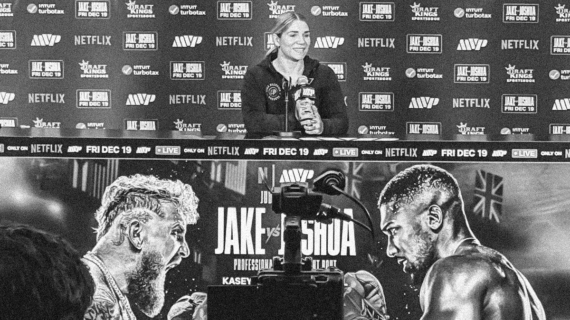
3. Most Valuable Promotions – MVP (Jake Paul / Nakisa Bidarian)
The disruptor that became unavoidable.
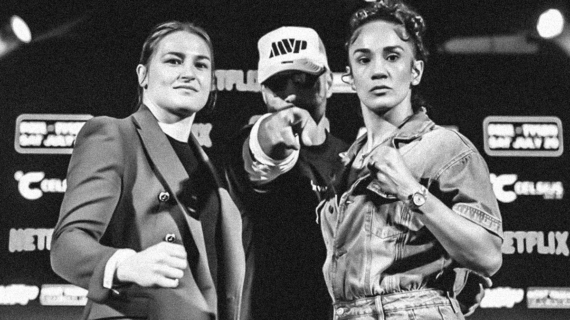
What was once perceived as a media circus has become a strategic player. MVP understands the new attention economy better than anyone: social media, storytelling, and multiplatform distribution (Netflix, ESPN).
They have also played a major role in increasing the visibility of women’s boxing.
- Strengths: marketing, new audiences, innovation
- Limitations: credibility still debated among purists
- Status: Influence rapidly exploding
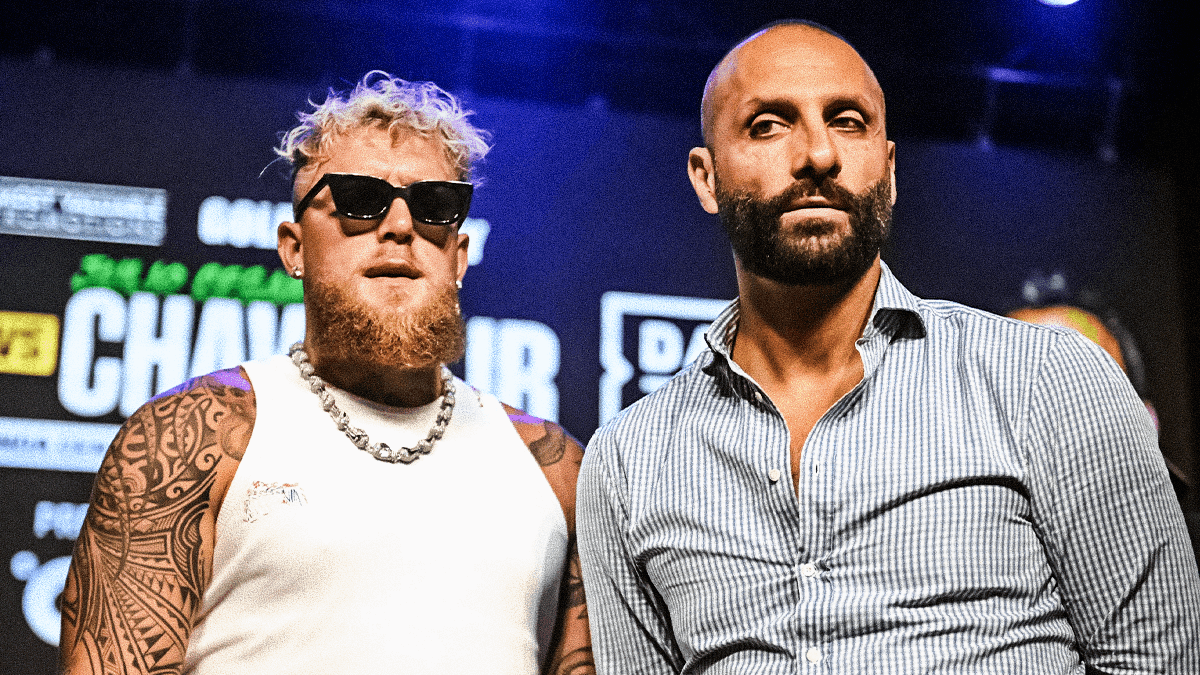
Photo: MMA Fighting – MVP (Jake Paul and Nakisa Bidarian)
4. Queensberry Promotions (Frank Warren)
The return to the forefront.
Long in the shadow of Matchroom, Queensberry has regained a central position thanks to its strategic control of the heavyweight division, the sport’s premier category.
With strong agreements, particularly with TNT Sports, Warren has once again become unavoidable in the biggest fights.
- Strengths: heavyweights, strategic matchmaking
- Limitations: dependence on certain headliners
- Status: Power in the heavyweight division
5. Top Rank (Bob Arum)
The institution that endures.
Top Rank remains a school of boxing. Less flamboyant than in the past, the company continues to excel in talent development and career management.
The move toward DAZN illustrates a phase of strategic transition.
- Strengths: experience and reputation
- Limitations: less dominant in mega-fights
- Status: In a solid transition
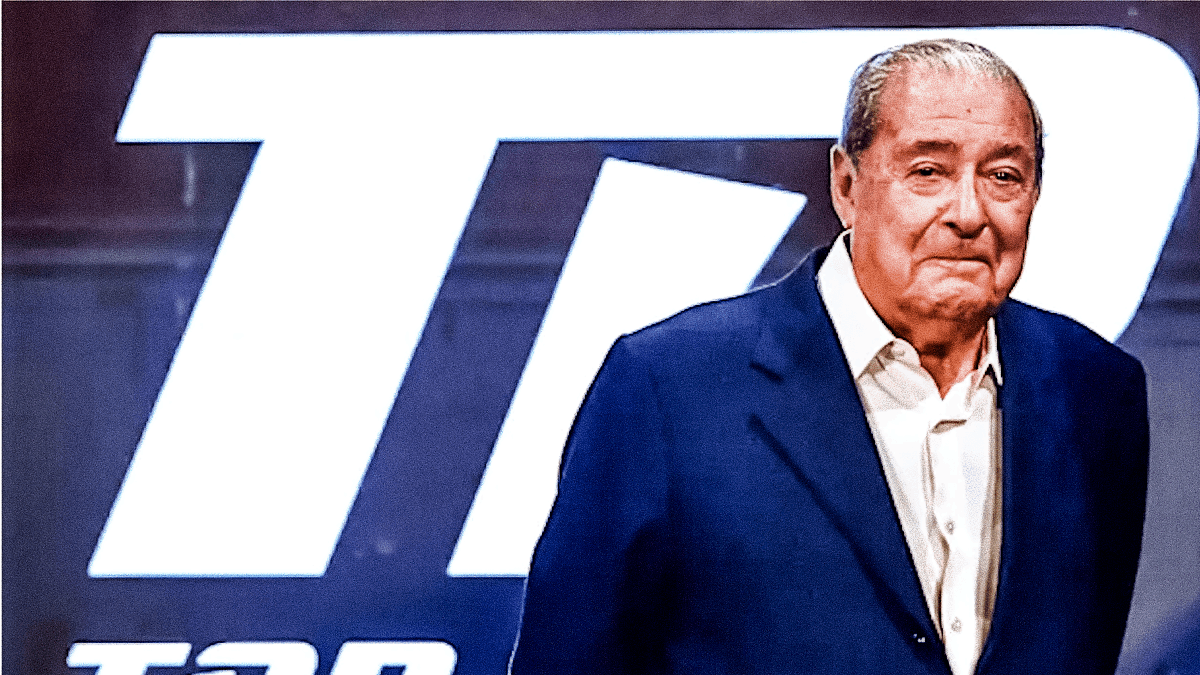
Photo: Yahoo Sports – Top Rank (Bob Arum)
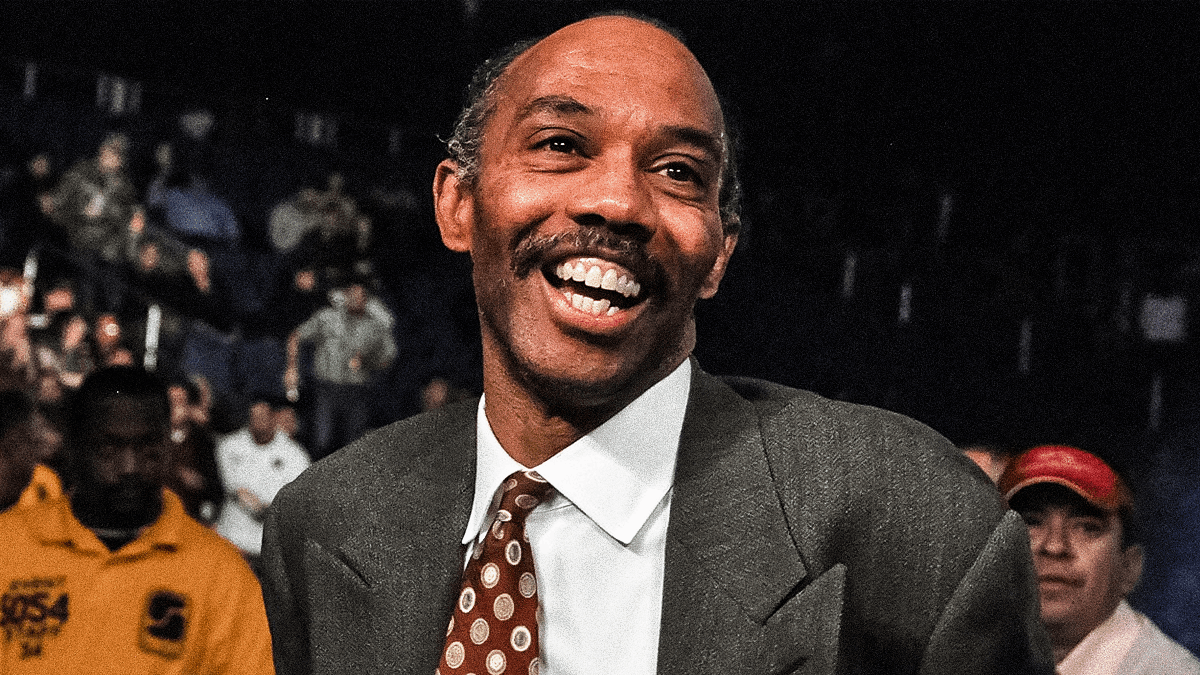
Photo: ESPN – PBC (Al Haymon)
8. Golden Boy Promotions (Oscar De La Hoya)
Still dangerous.
Golden Boy is no longer the center of gravity it once was, but it remains capable of producing significant events and developing stars.
The partnership with DAZN ensures consistent visibility.
- Strengths: promotional flair, aggressive talent development
- Limitations: structurally less dominant
- Status: Relative decline
9. Salita Promotions (Dmitriy Salita)
The strategic player.
Salita Promotions is gradually establishing itself as a smart and targeted actor. Very active in women’s boxing, the group is capitalizing on major talents and controlled growth.
- Strengths: clear positioning, strong niche
- Limitations: still limited scale
- Status: One to watch
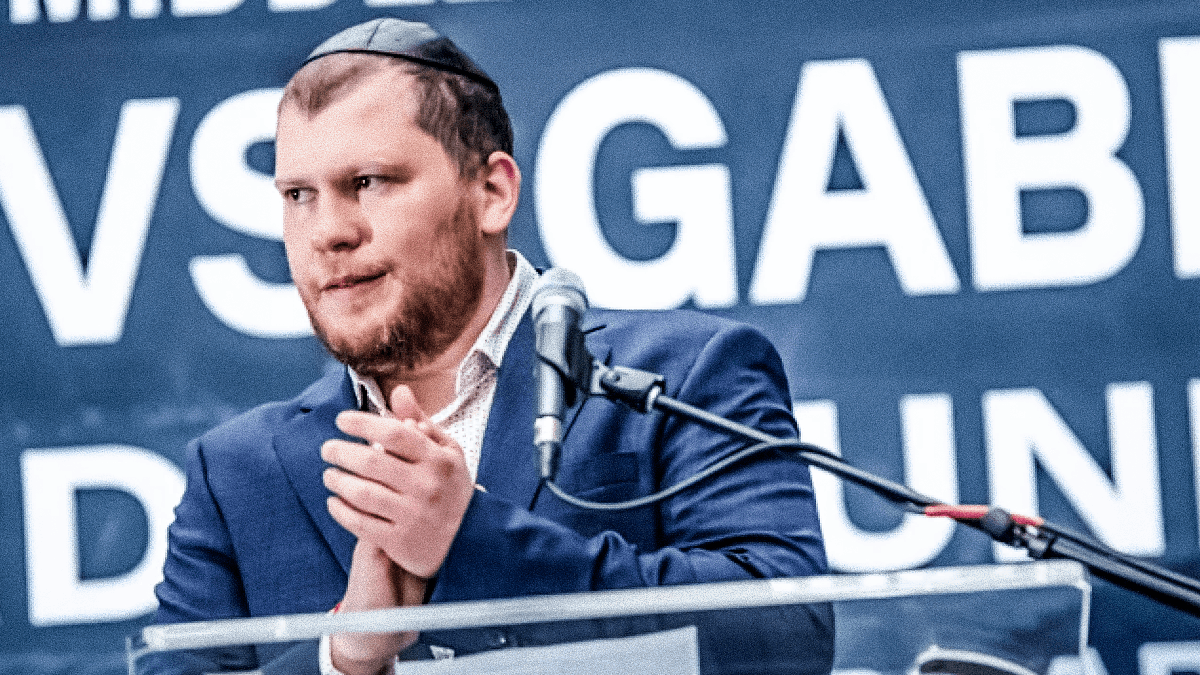
Photo: Yahoo Sports – Salita Promotions (Dmitriy Salita)
10. BOXXER (Ben Shalom)
The brutal fall.
After a rapid rise, BOXXER suffered a major blow with the loss of its partnership with Sky Sports. Without a major broadcaster, the organization must reinvent itself to survive at the highest level.
- Strengths: initially modern vision
- Limitations: current structural fragility
- Status: In decline
And the forgotten ones… who aren’t really forgotten
Obviously, several influential organizations do not appear in this top 10.
Not because they lack relevance, but because the exercise requires making choices.
Organizations such as:
Wasserman Boxing
Teiken Promotions
Zanfer Promotions
360 Promotions
No Limit Boxing
Don King Productions
Pro Box
Groupe Yvon Michel
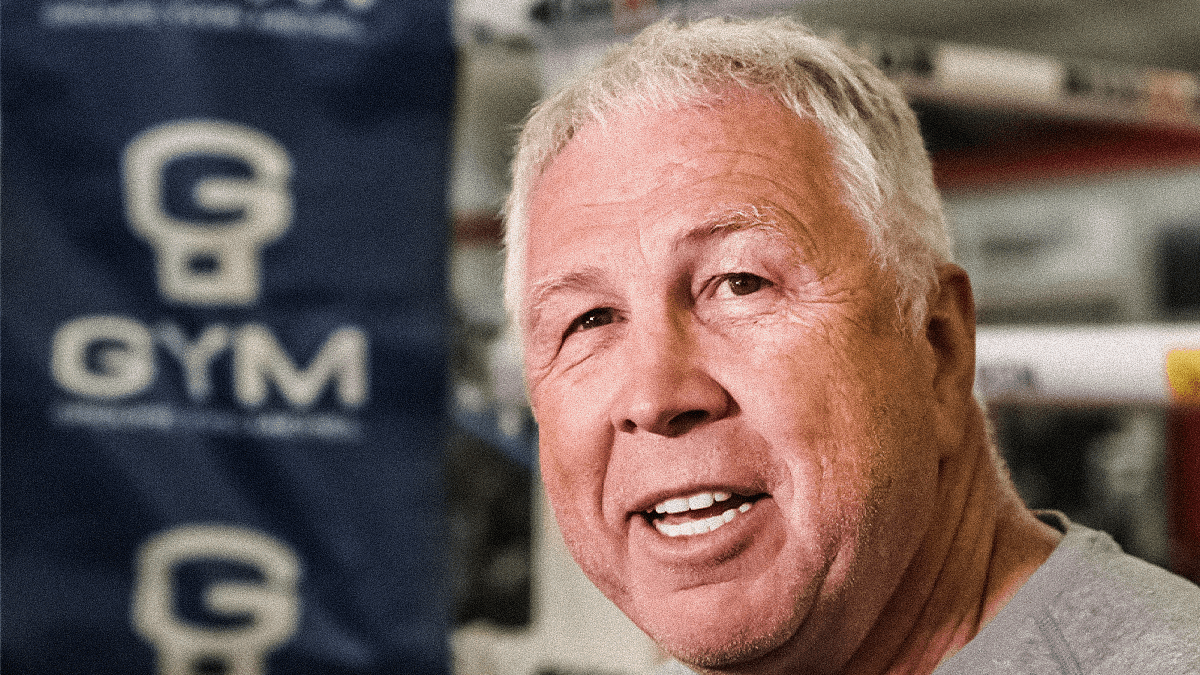
Photo: Facebook – Yvon Michel
These companies continue to play a very real role in the global ecosystem.
Some dominate specific markets.
Others excel in talent development.
And a few remain capable of creating major events, despite maintaining a more discreet presence.
Among them, Teiken Promotions deserves special mention.
Led by Akihiko Honda, the Japanese organization is one of the most respected in the world for its rigor, its stability, and its ability to produce world champions year after year.
But its absence from the top 10 is explained less by a lack of quality… than by the very nature of its influence.
Teiken dominates its regional ecosystem with remarkable efficiency, but rarely intervenes in the major international negotiations that today define the biggest fights.
At a time when power is increasingly measured by the ability to orchestrate global matchups and mobilize major platforms, this relative discretion keeps it just outside the rankings — despite an impeccable sporting credibility.
But reducing this list to ten names forces difficult choices.
And that is precisely what makes the exercise revealing.
Conclusion: power in transition
This ranking is not fixed.
It is in motion.

Photo: IG – Colonel Thanapol Bhakdibhumi and Akihiko Honda
And for the first time in a long time, boxing is no longer simply fragmented… it is being redrawn.
With:
• platforms like Netflix, Amazon, and Paramount
• massive capital coming from new markets
• and structures like Zuffa ready to centralize power
The real question is no longer: who is the most powerful today?
But rather: who truly controls the tempo?
Because in modern boxing, power is no longer measured only in champions… but in the ability to make the fights everyone wants to see.