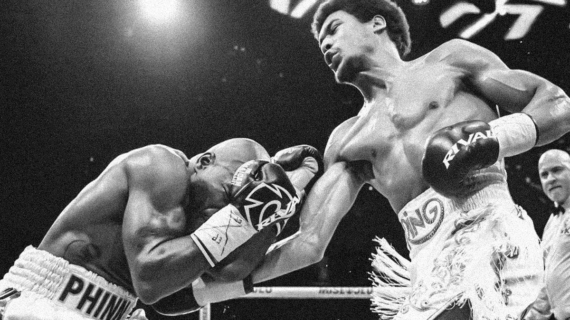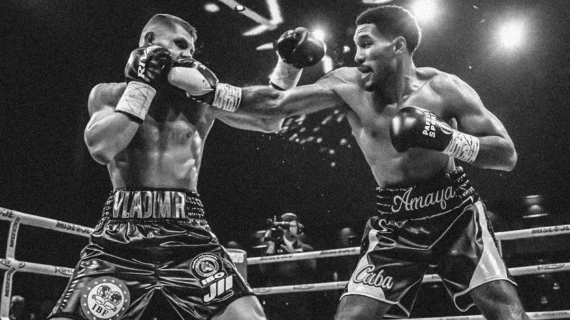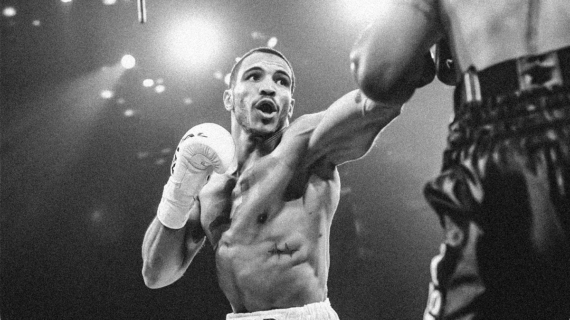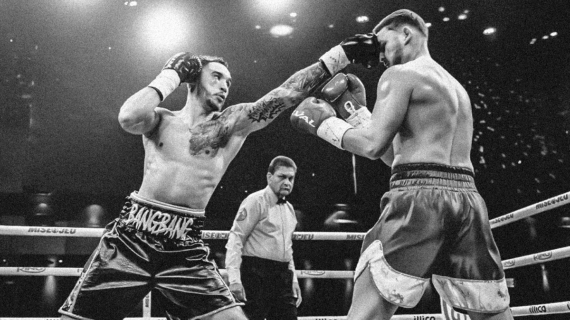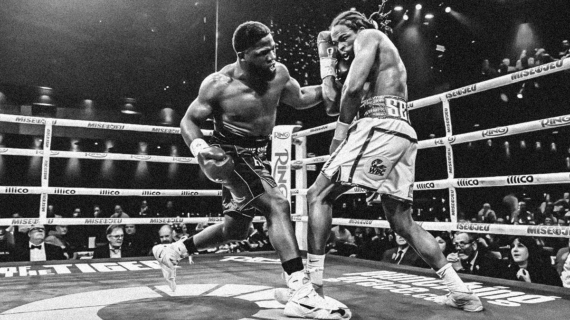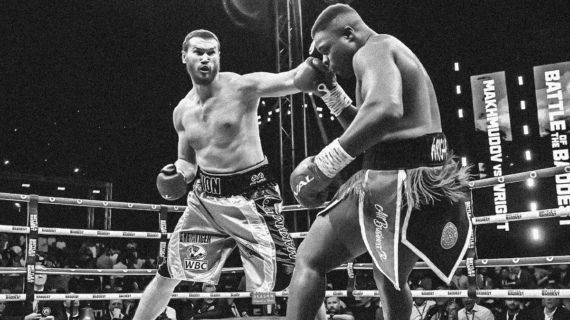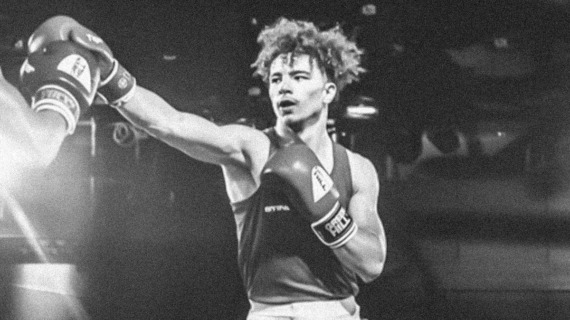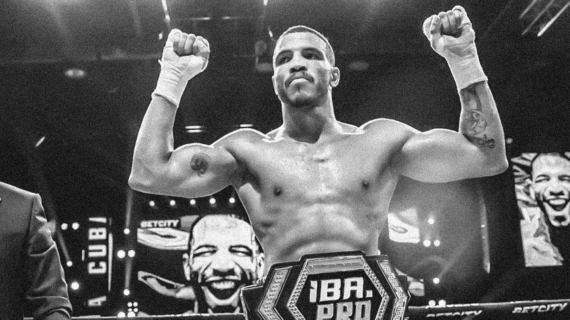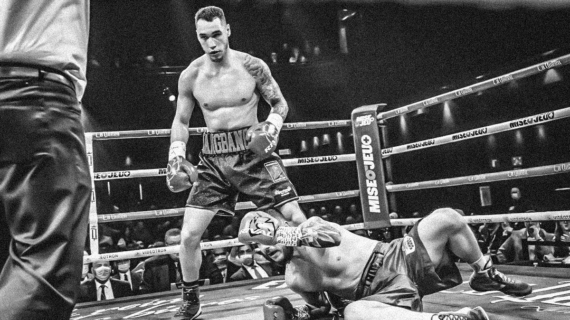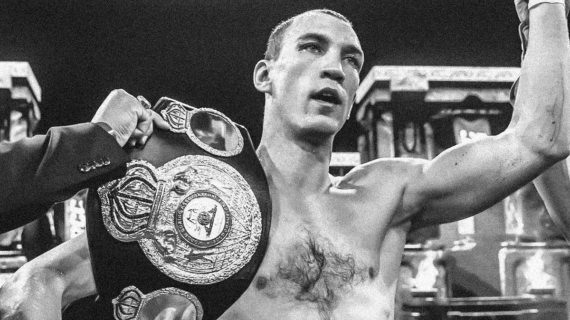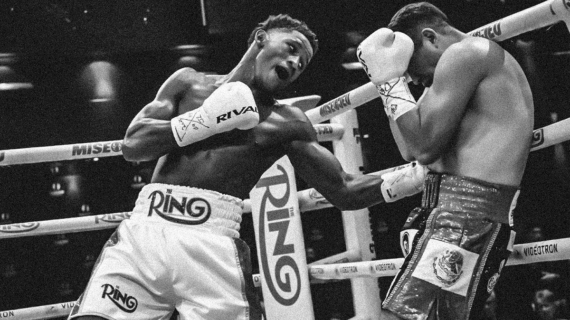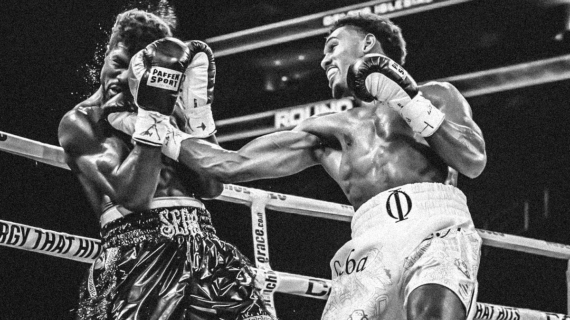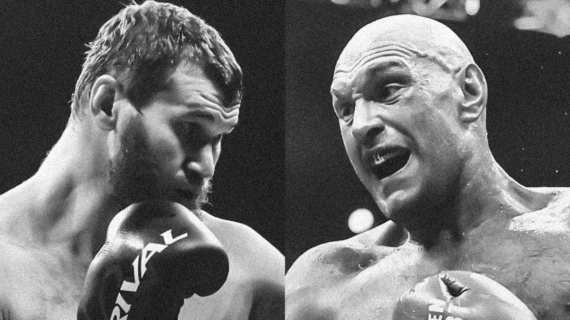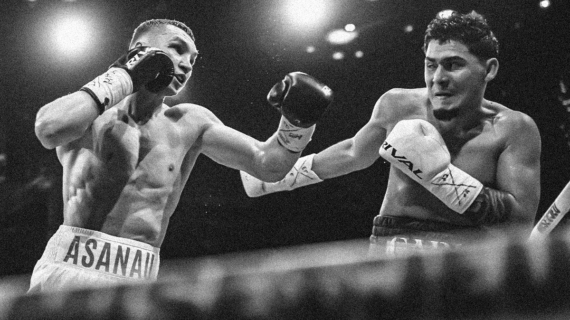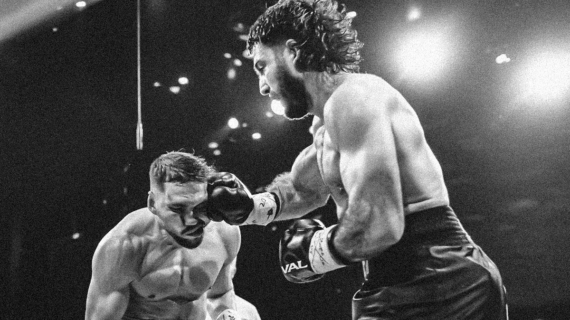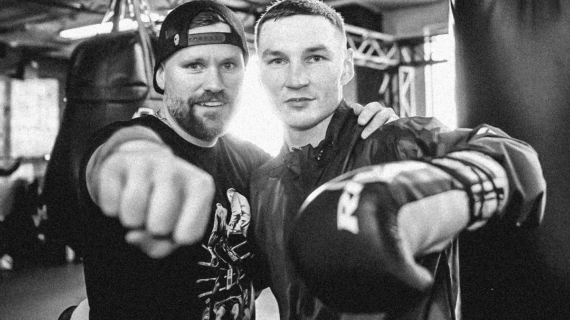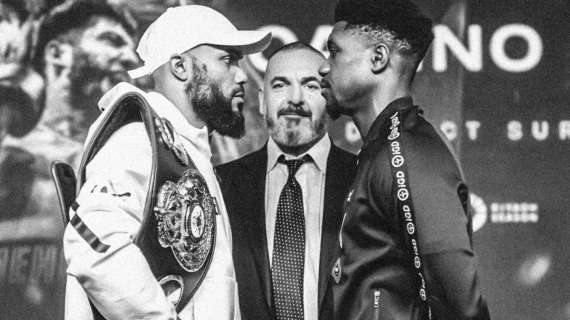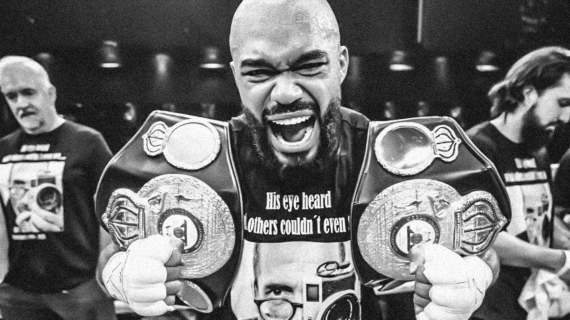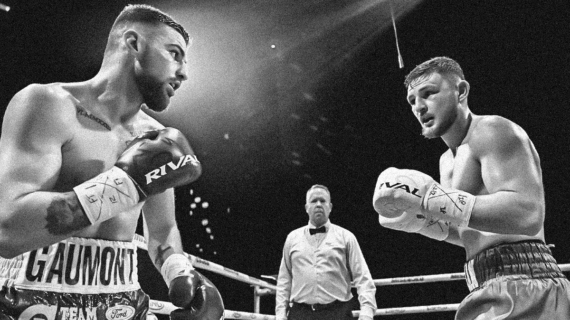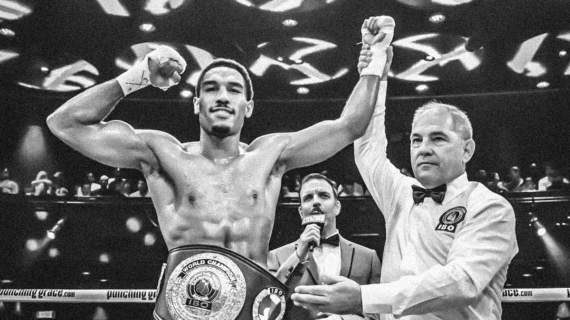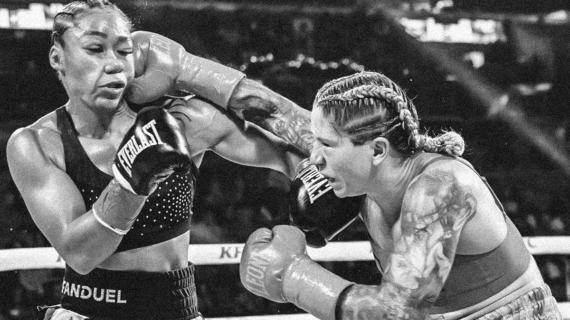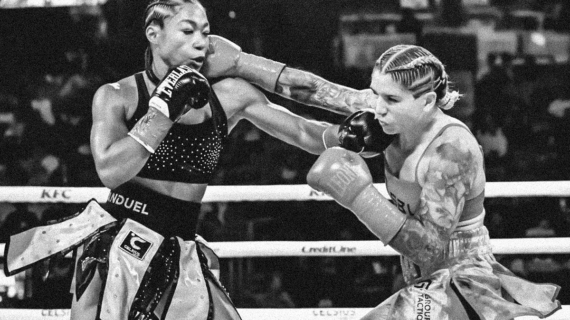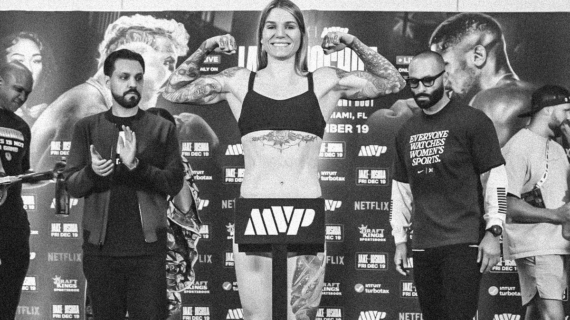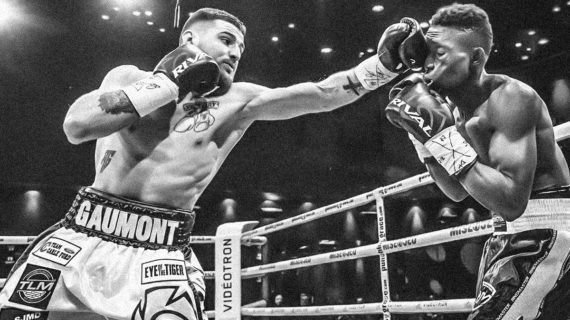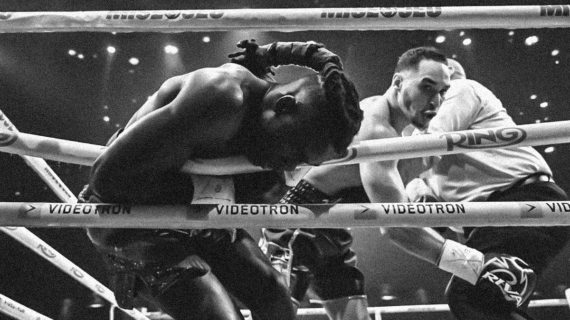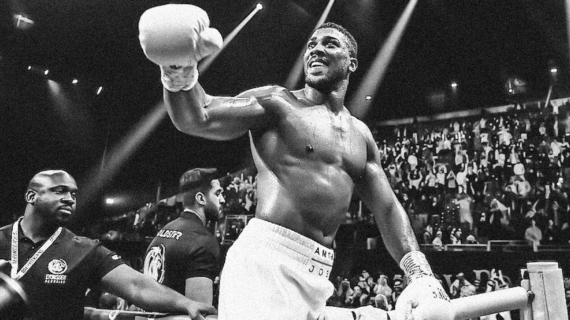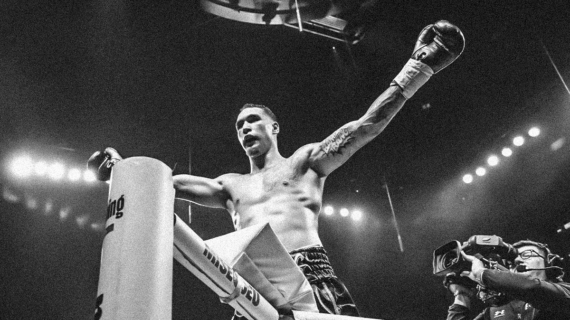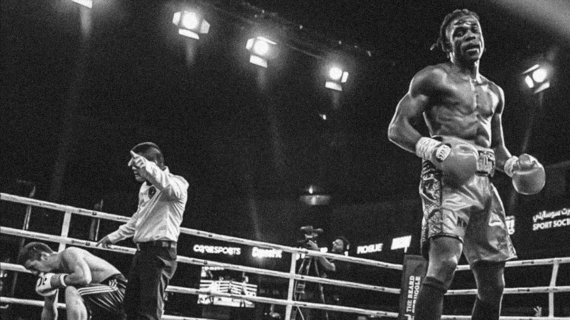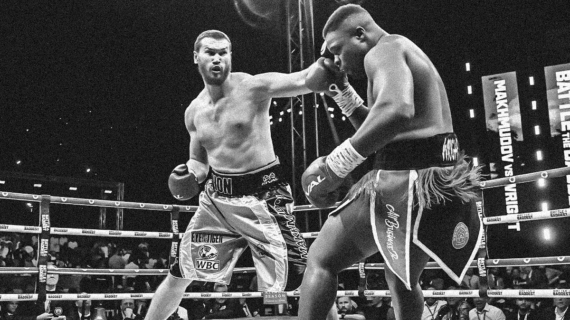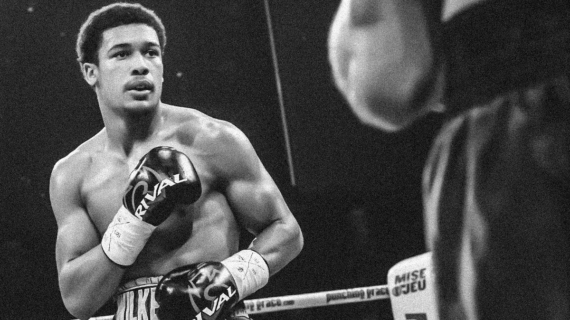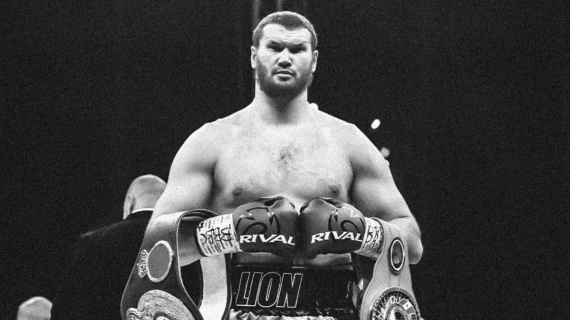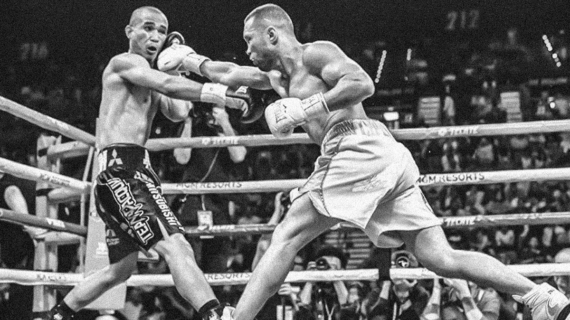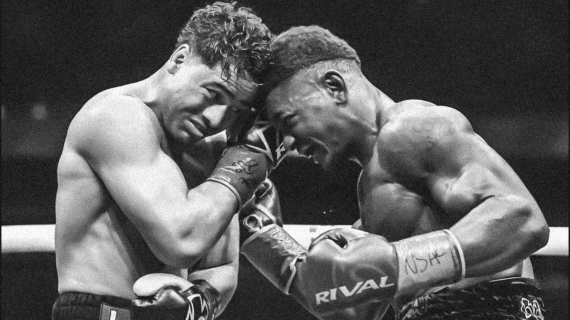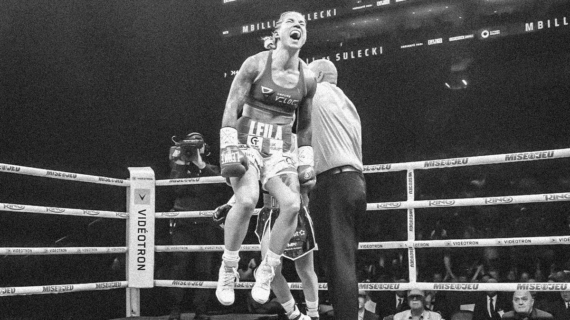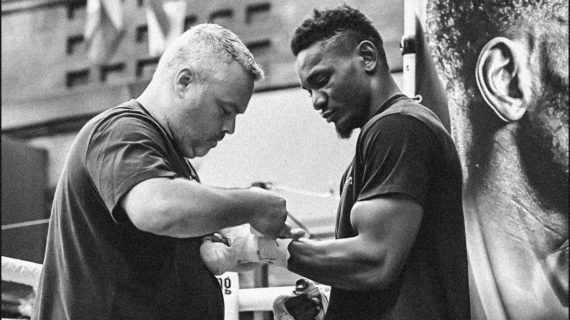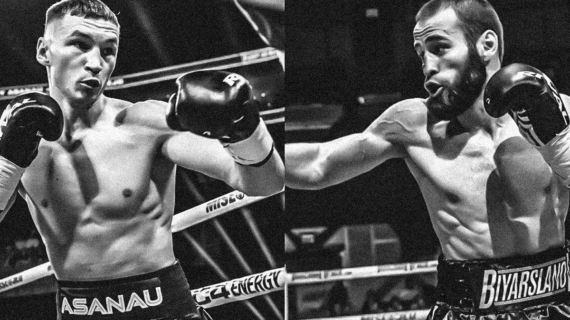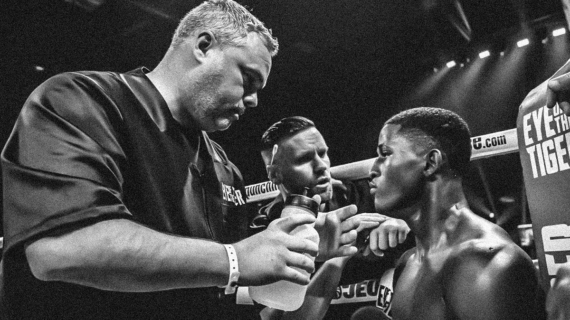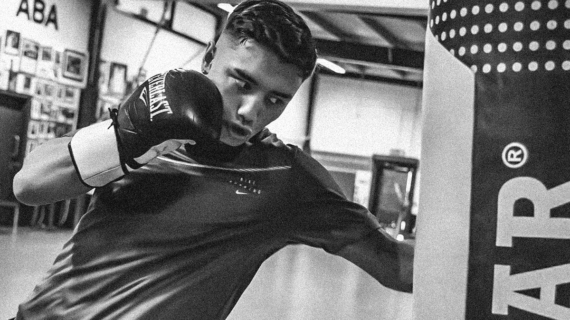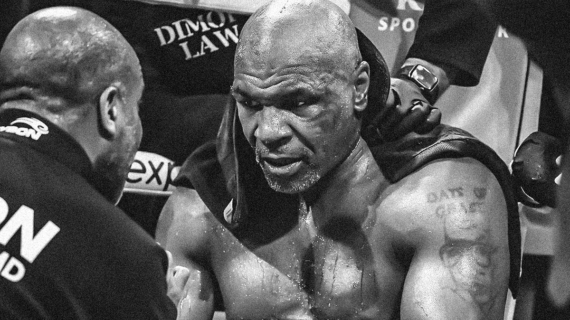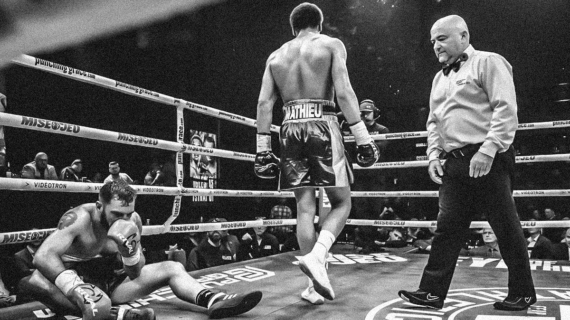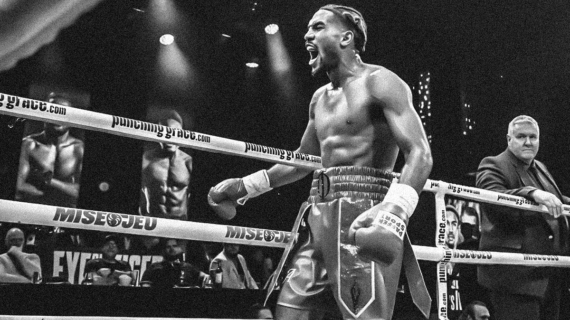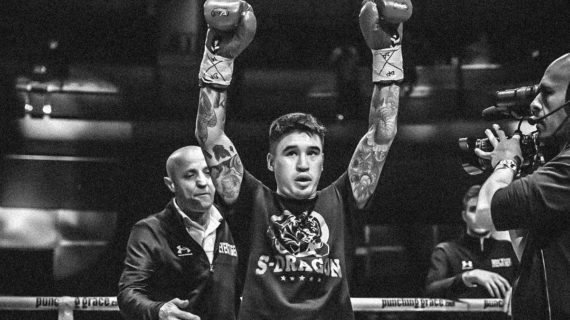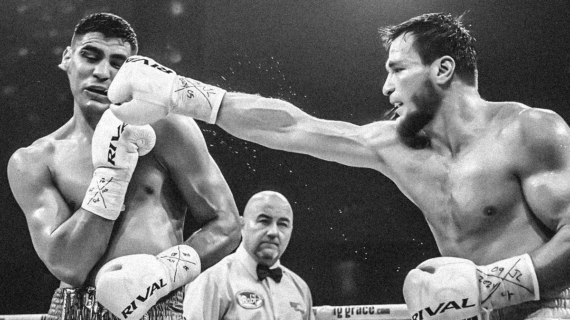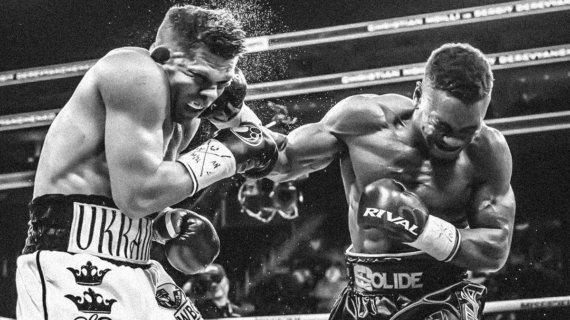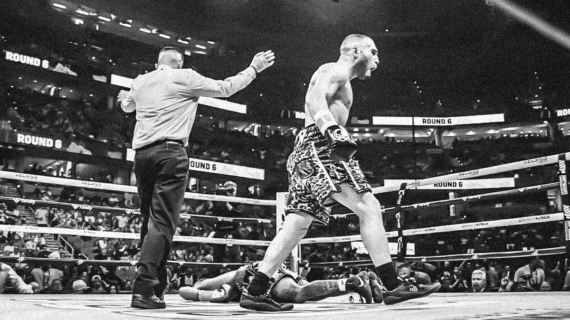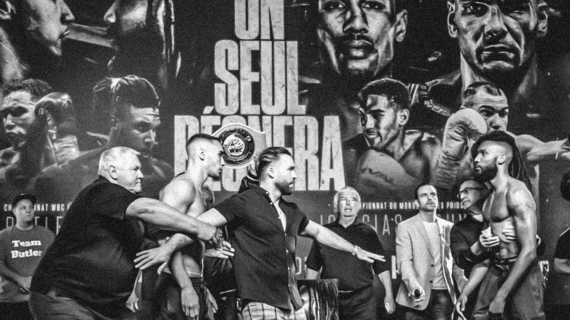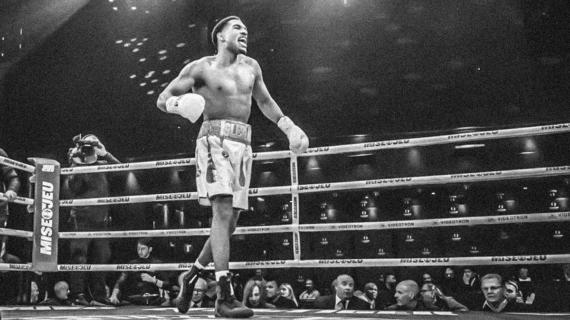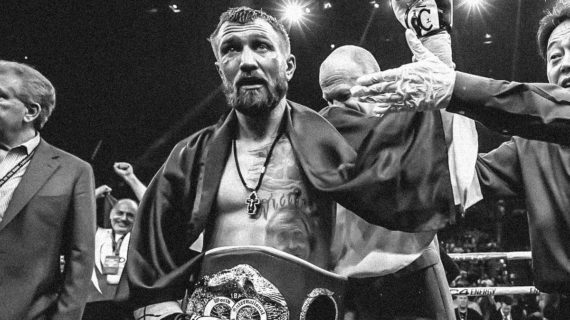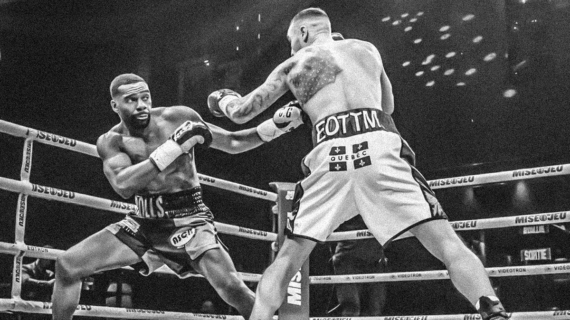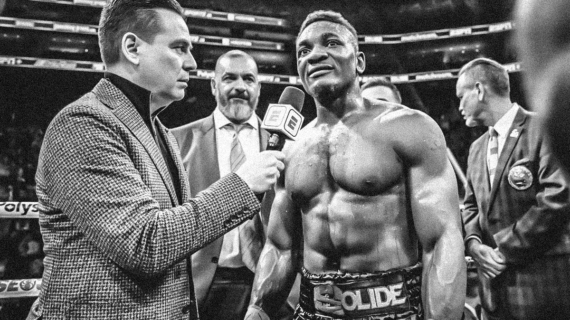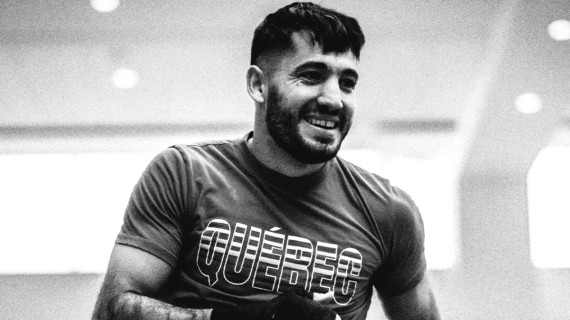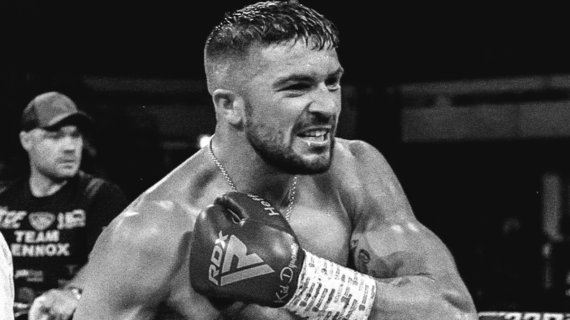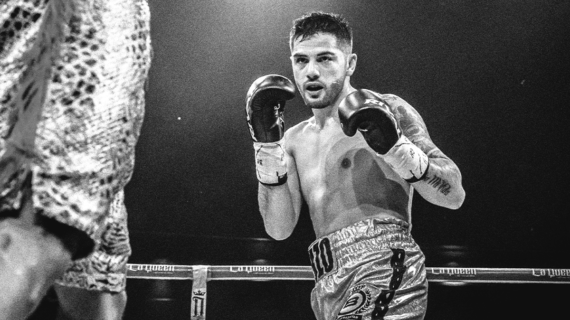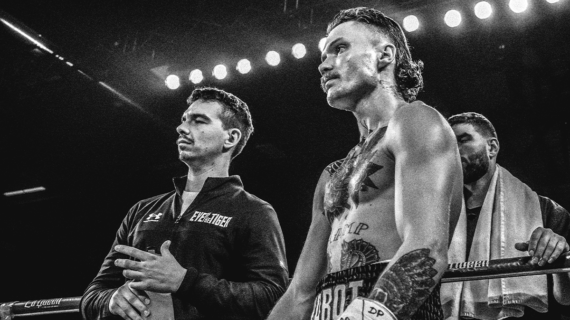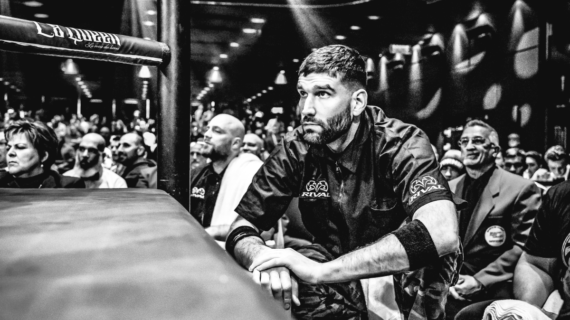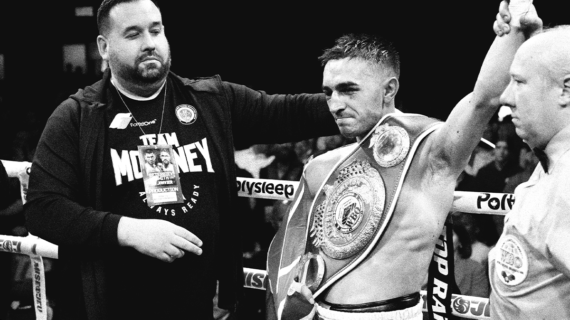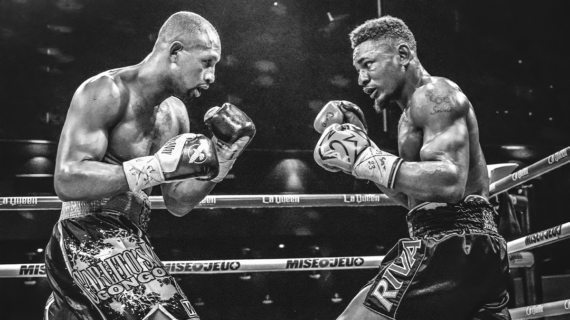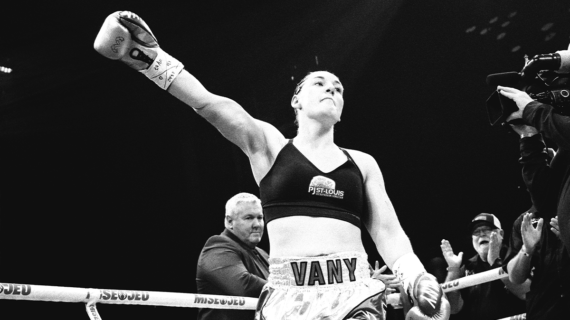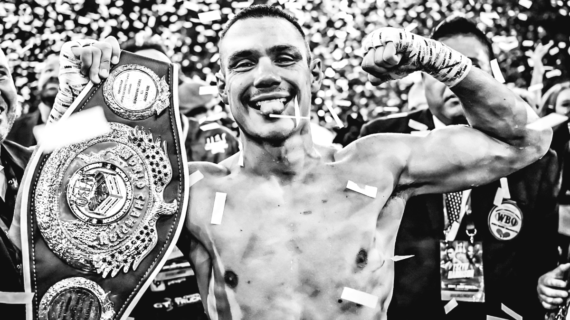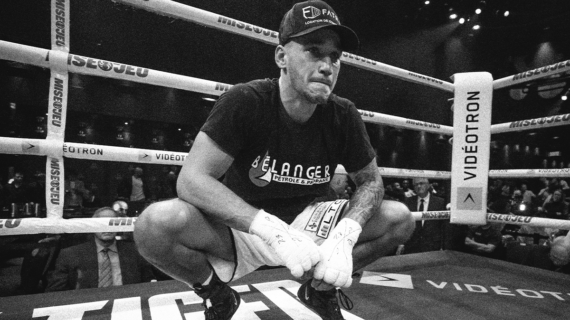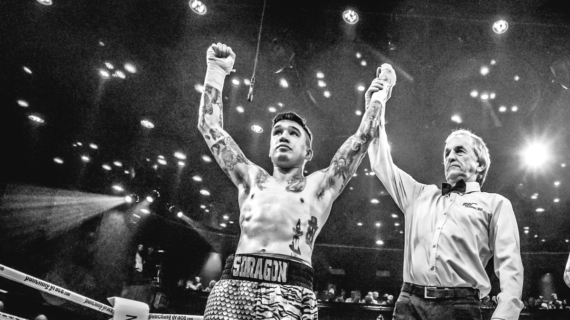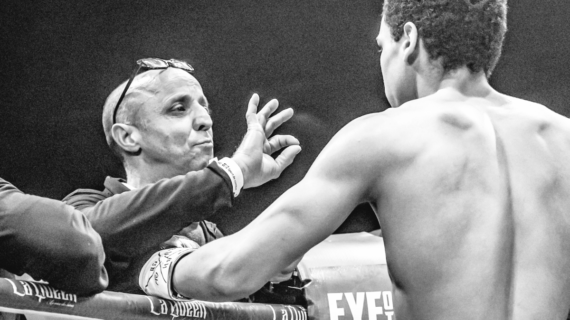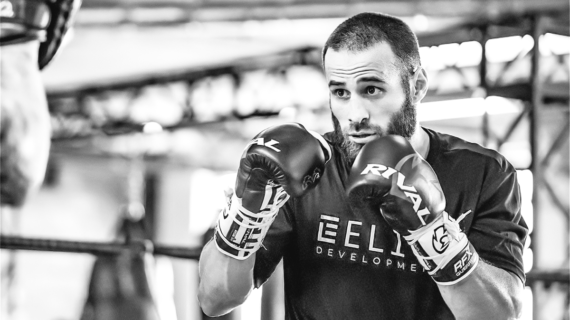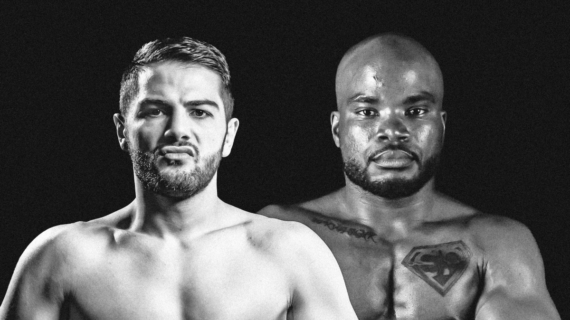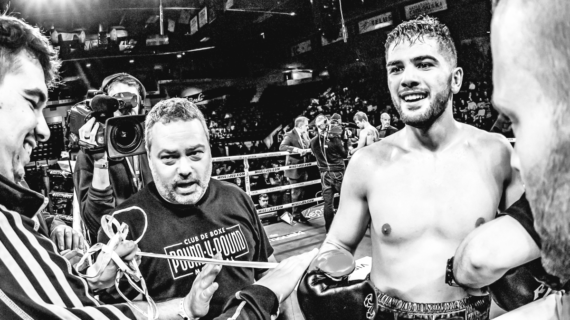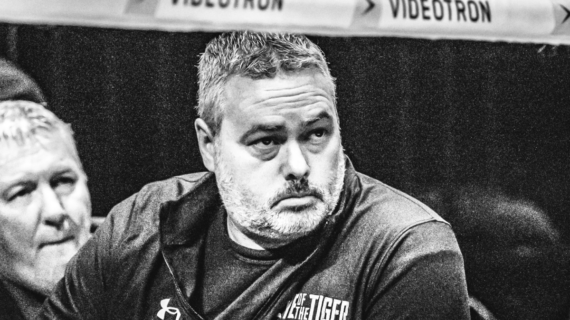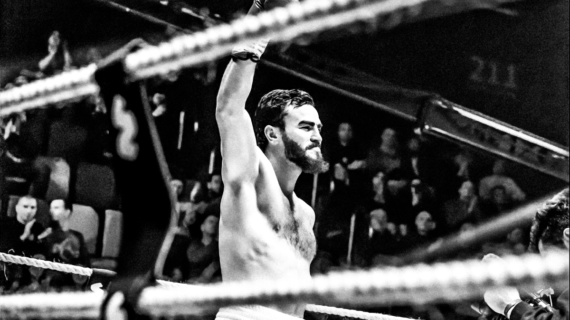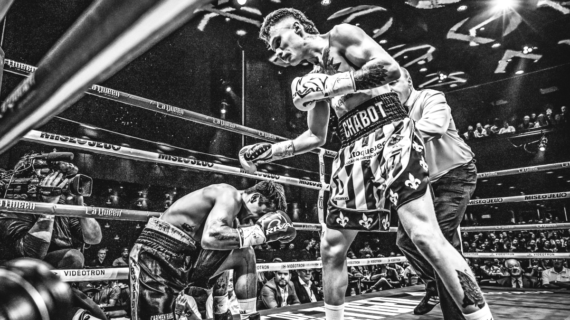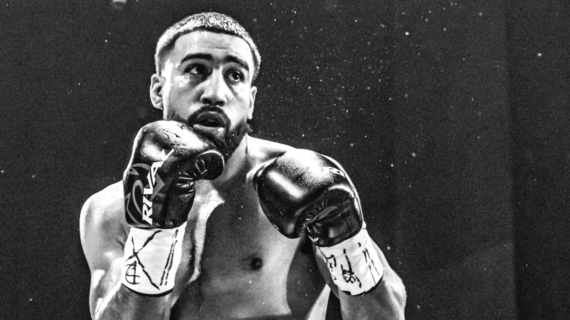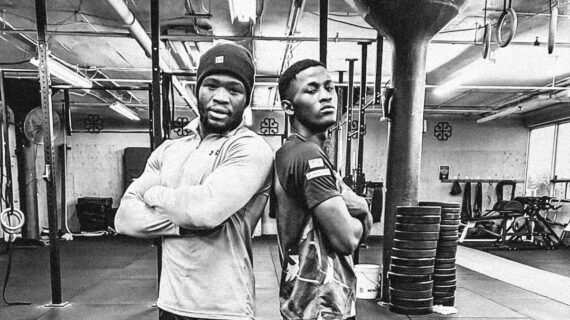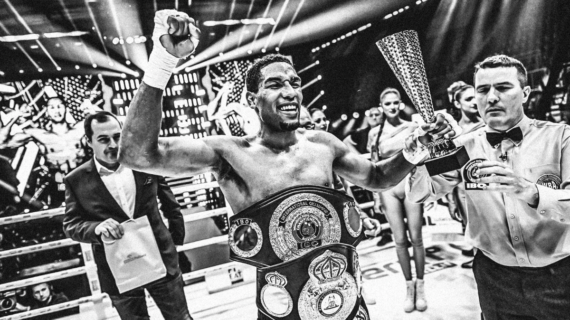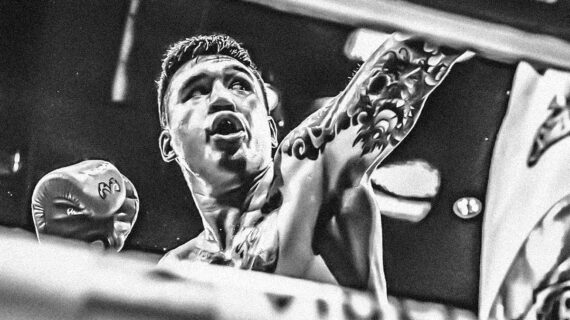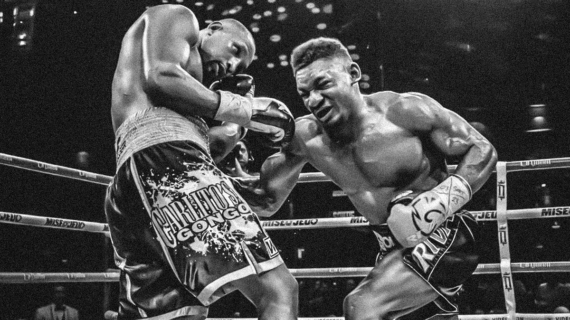
I’ve had the chance to experience several national Olympic boxing championships, both as a coach and as a cutman (back when fighters still competed without headgear in this event).
Each time, it’s the same: a wave of raw emotion that surges right through you.
You think you’re going there for the bouts, for the results, for the medals… but really, you go to feel that unique energy that makes the athletes, coaches, clubs, families, and everyone connected to our sport vibrate.
The national championships are a mix of tension, pushing one’s limits, camaraderie, and moments that stick with you throughout a career. It’s a place where everything can change — for the worse or for the best — and where every round matters a little more than in any other arena in the country.
Winnipeg: stage of a major event
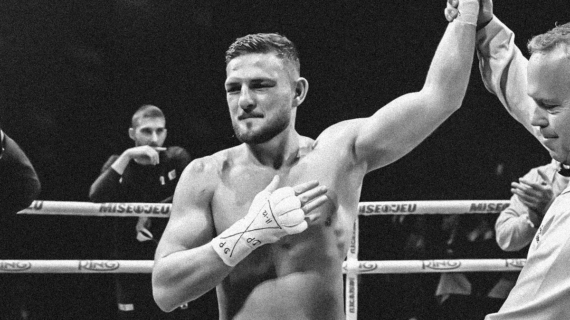
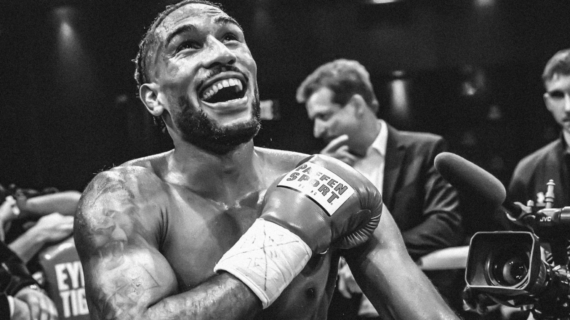
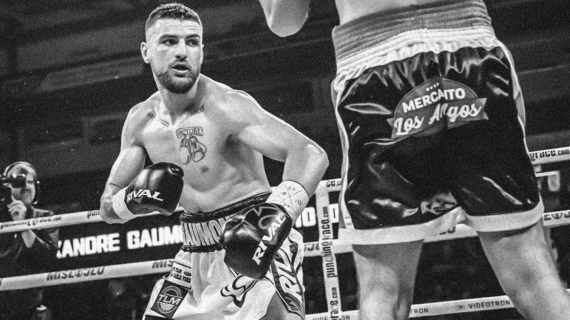
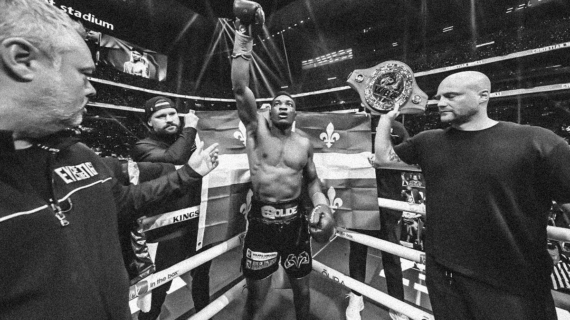
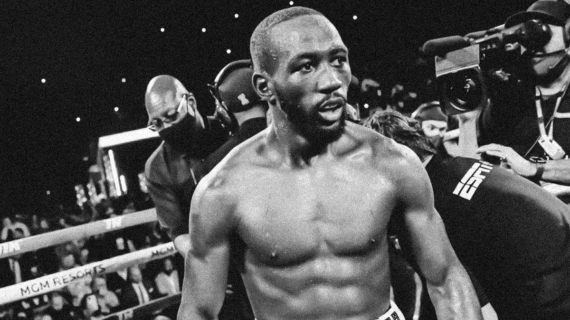
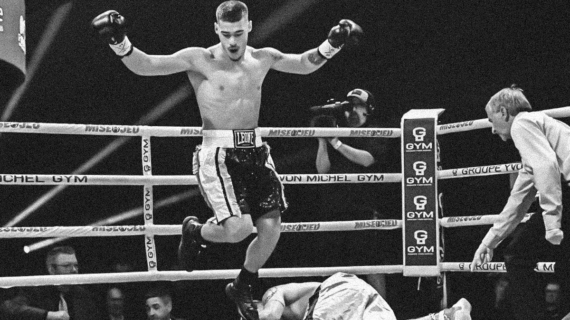
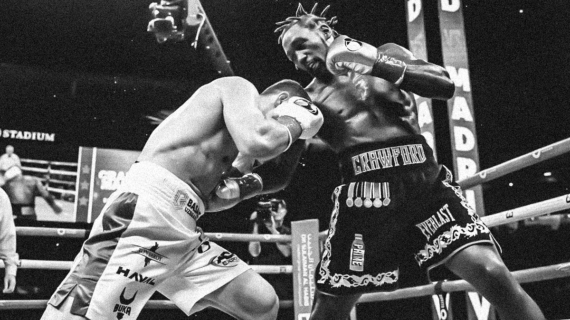
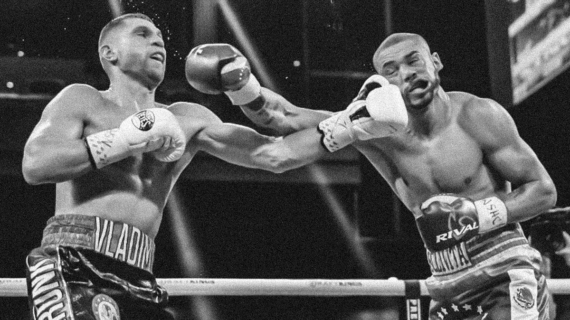
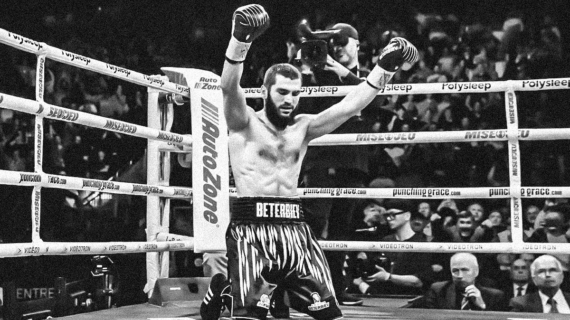
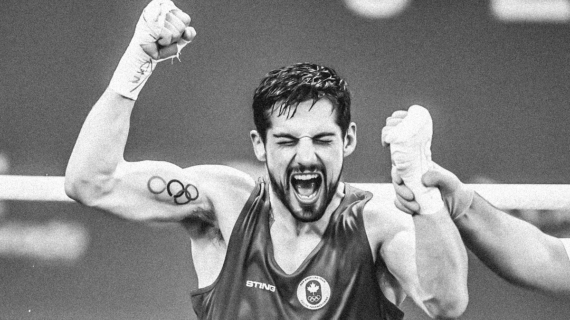
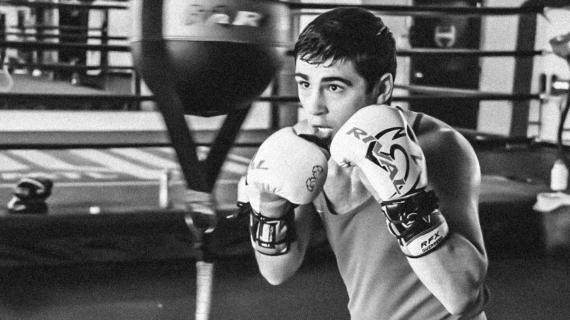
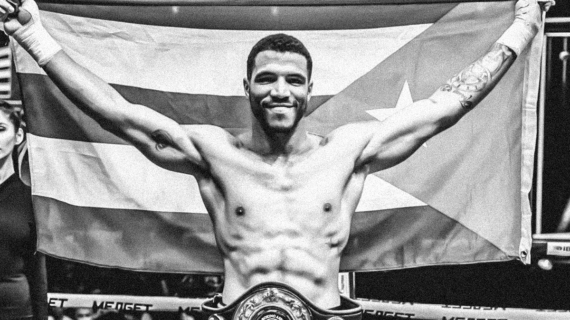
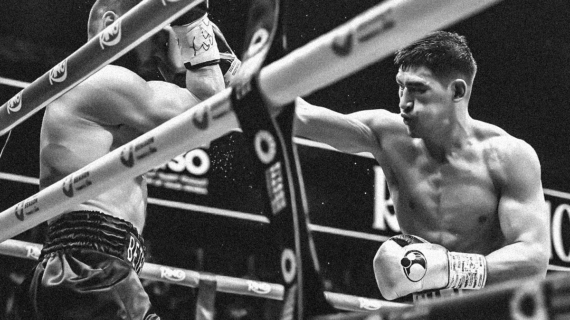
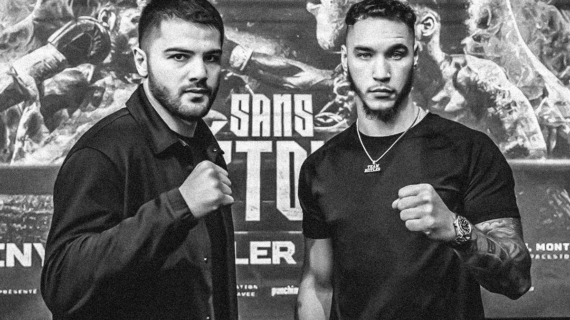
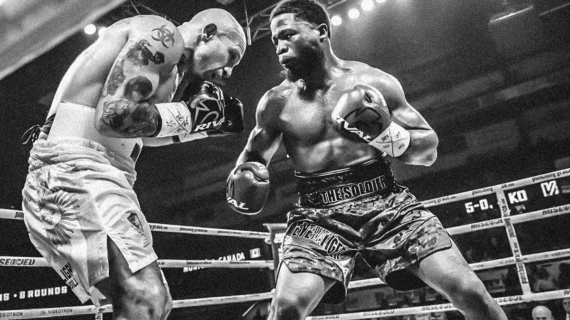
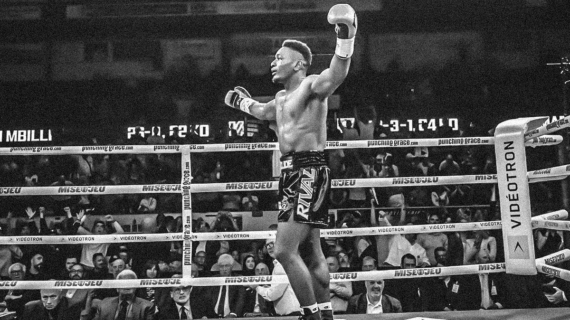
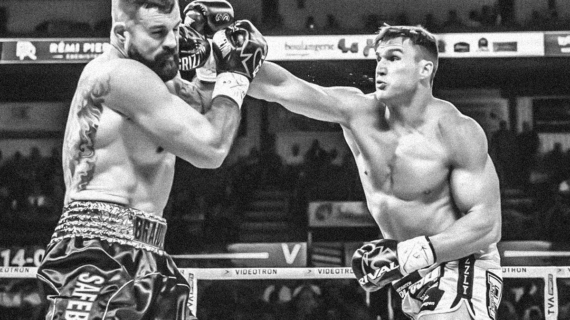
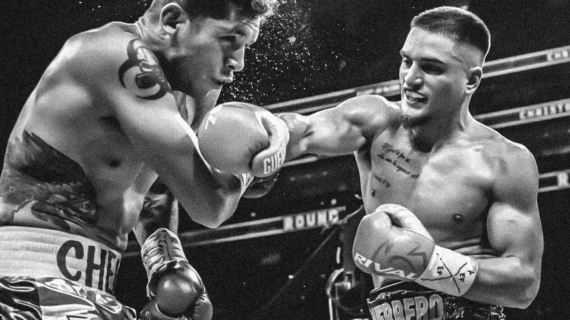
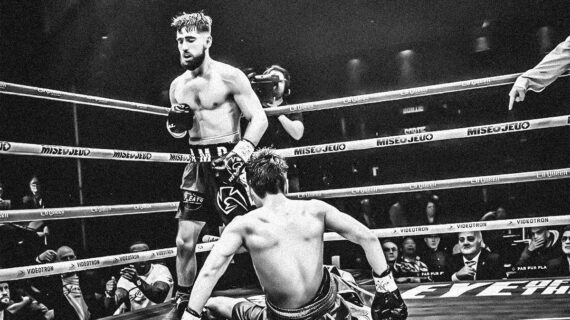
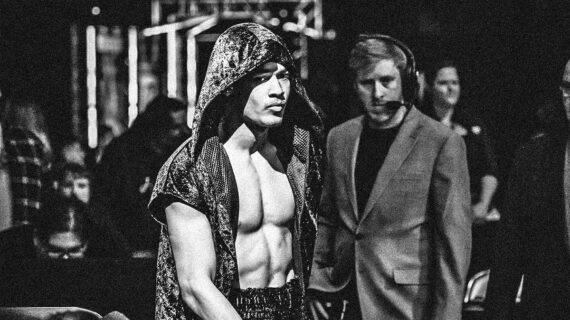
This year, Winnipeg hosted this major competition, turning Manitoba into the beating heart of Canadian boxing. For several days, most of the best male and female boxers in the country faced off in a series of intense bouts across eight women’s categories and nine men’s categories. And as always, the show lived up to expectations: high level boxing, tight matchups, decisions that drew sighs, knockouts that shook the arena, and sportsmanship that reminds us why we’re so deeply attached to this sport.
Quebec vs. Ontario: a rivalry that drives progress
At the top of the national rankings, the two giants — Quebec and Ontario — once again showed their dominance. Ontario leaves with twenty-three medals, Quebec with twenty-four. A rivalry that never fades and has the remarkable ability to help both provinces progress in parallel, like two locomotives pulling the entire Canadian system upward.

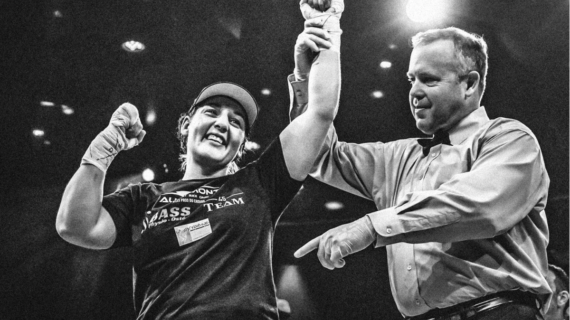
Photo: Tammara Thibault / IG
Two professionals in the championships!
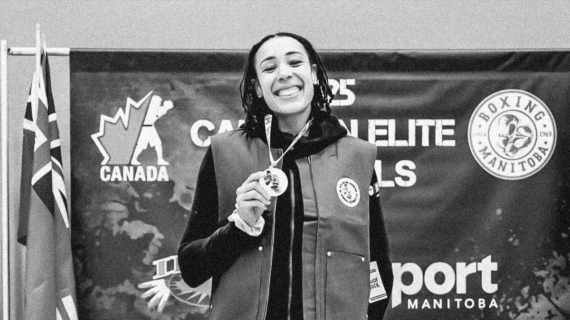
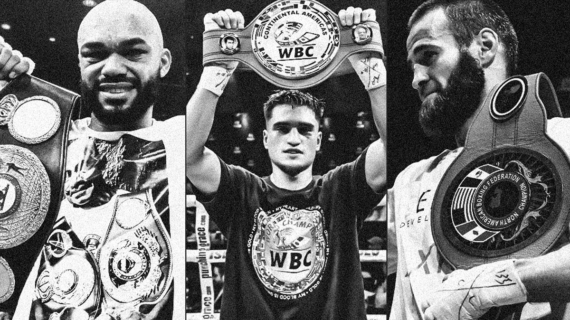
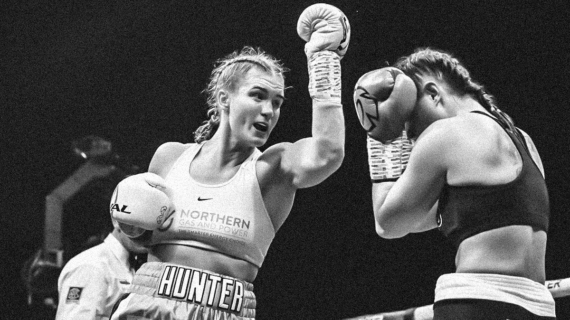
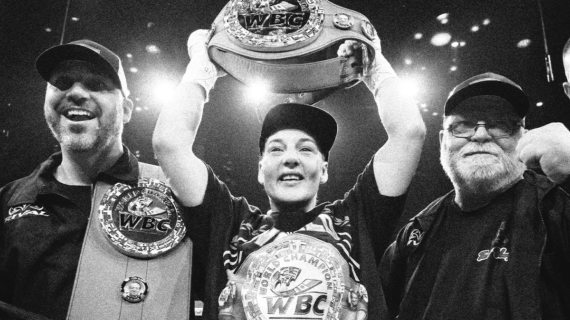
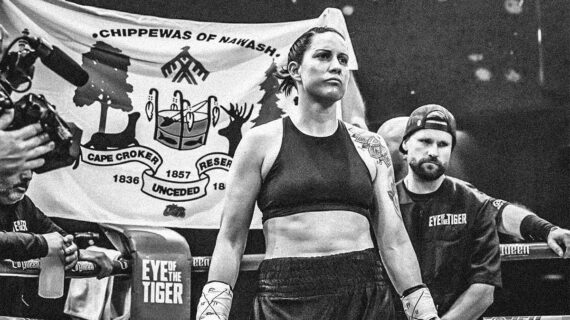
Another highlight of these championships was the participation of two professional boxers — still rare, but very telling of how our amateur scene is evolving. Quebec’s Tammara Thibault, a two-time Olympian and former amateur world champion, chose to return to the Olympic circuit at 75 kg. Alongside her, Nyousha Nakhjiri, a former member of the national team representing British Columbia, competed at 48 kg.
Their experience, composure, and mastery under pressure dominated the competition, and both won gold. Their presence proves that the Olympic pathway can not only coexist with the professional world, but even benefit from it.

Photo: Marie Al-Ahmadieh / IG
Quebec’s champions
Women:
-Marie Al-Ahmadieh (57 kg)
-Rachel Bourdon (65 kg)
-Maeva Montemiglio (70 kg)
-Tammara Thibault (75 kg)
Men:
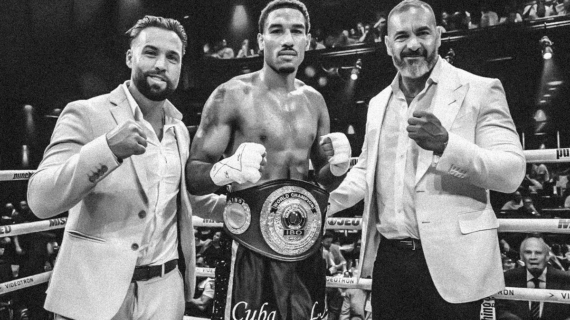
-Gabriel Aly-Labrie (65 kg)
-Vincent Santoriello (70 kg)
A level that’s tightening — and that’s what we want!
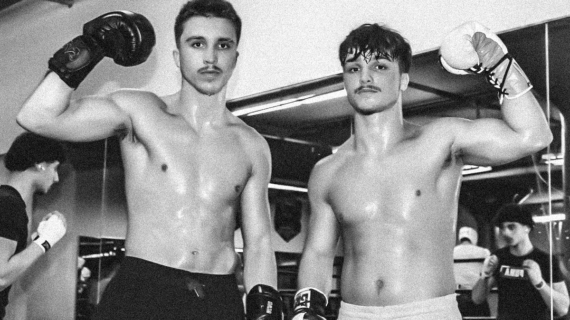
What struck me most this year is how the gap between established champions and up-and-comers is shrinking. In the best boxing nations in the world, this dynamic is normal: two or three substitute teams capable of challenging the starters, an environment where no one can afford to rest on their laurels.
Canada is beginning to feel this positive pressure, and we’re already seeing the results. The newcomers are hungrier and better prepared. The veterans have to constantly adapt. This healthy tension, this need to perform at every moment, is exactly what will allow us to progress internationally.

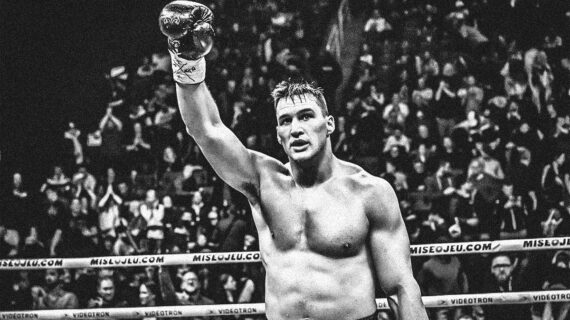
Photo: Vincent Santoriello / IG
Let’s not forget them!
We also have to say it: an event of this magnitude cannot exist without an army of volunteers. Referees, judges, organizers, equipment managers, medical teams, drivers, club staff, logistical support… all these people give their time, energy, and passion so that the show can go on.
These championships owe them immensely. I tip my hat to each and every one of them. Without their dedication, none of this could exist.
Coming soon: voices from Canadian boxing
In the next few days, I’ll take time to gather the impressions of several key figures in Canadian boxing — coaches, athletes, leaders, builders — to reflect on their views of the championships, their observations, hopes, and concerns.
Because beyond the results, it’s their voices, their perspectives, and their experiences that truly define the state and direction of our sport.
A future that hits hard
If I had to sum up these championships, I’d say this: Canadian boxing keeps moving forward. Sometimes slowly, sometimes in leaps, but in recent years, definitely in the right direction! We still have work to do, but we also have the tools to get there: talent, passion, maturing structures, and a growing competitive spirit.
And as for me, I leave these championships with the same conviction: as long as young athletes climb into that ring with fire in their eyes, and as long as coaches give everything they have to push them further, Canadian boxing will have a future. A solid future. A future that hits hard. A future that reflects who we are — and brings us together.