Canadian boxing has just lost far more than an official. With the passing of Guy Jutras on April 3, 2026, at the age of 95, an entire era fades away, one where respect was earned in the ring, but built even more outside of it.
Because Jutras was not only a referee or a judge… he was, in many ways, an architect.
A standard of excellence above all
Before being recognized worldwide, Jutras himself experienced the fight game. A short professional career (5 victories, no defeats), brutally interrupted by a major surgery (the removal of a kidney), forced him to leave the ropes.
But he never left boxing… he redefined it.
Between 1969 and 1997, he refereed nearly 200 fights. He then served as a judge for more than 30 years, until 2011. He officiated in bouts involving legends such as Marvin Hagler, Roberto Durán, Pernell Whitaker and Manny Pacquiao.
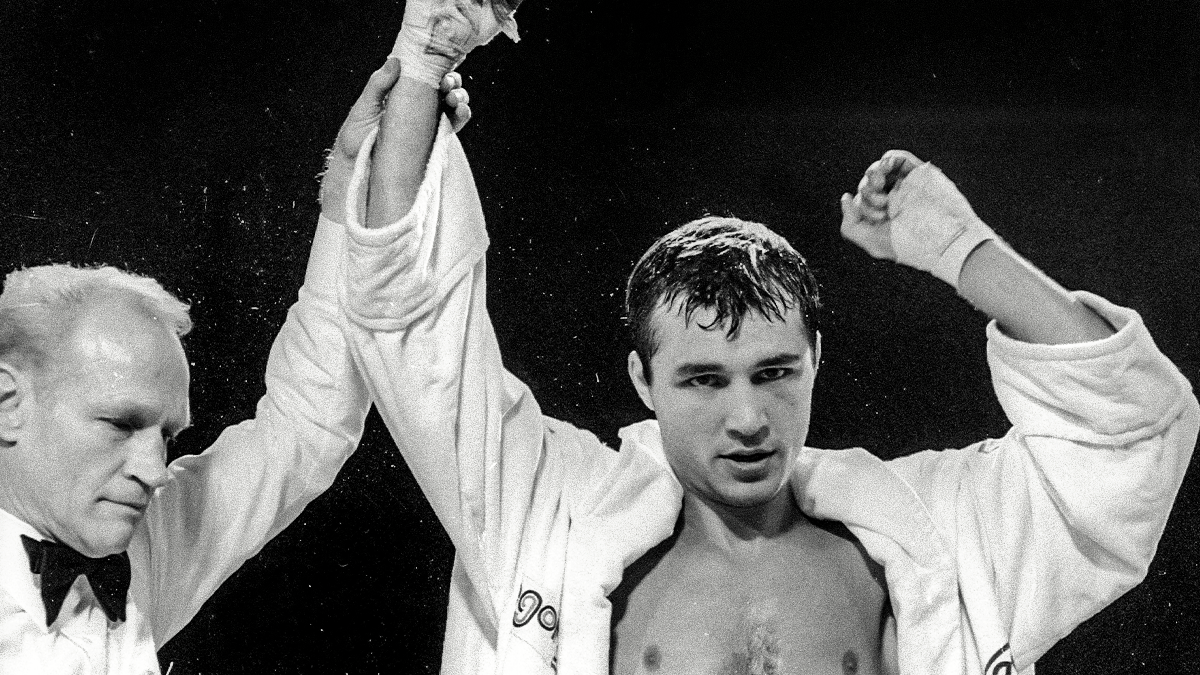
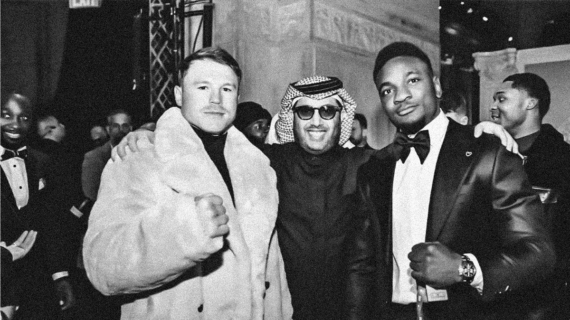
Photo: Facebook – Guy Jutras
In 2019, he was inducted into the International Boxing Hall of Fame, a first for a Quebec official. But it must be said that his true impact goes far beyond the numbers.
The instinct of a referee… and the courage to stand by it
On May 7, 1980, at the Centre Paul-Sauvé, he made a decision that defined an entire career.
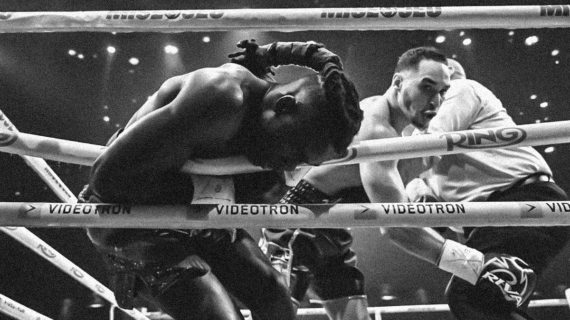
During the fight between Gaëtan Hart and Ralph Racine, Racine absorbed a series of violent punches in the 12th round. He was ahead on the scorecards. The fight was his. But Jutras saw what no one else saw… an empty stare. A second too long. He made the decision to stop the fight despite the boos of the crowd.
Minutes later, Racine collapsed and fell into a coma.
That night, Guy Jutras didn’t just referee, he saved a life.
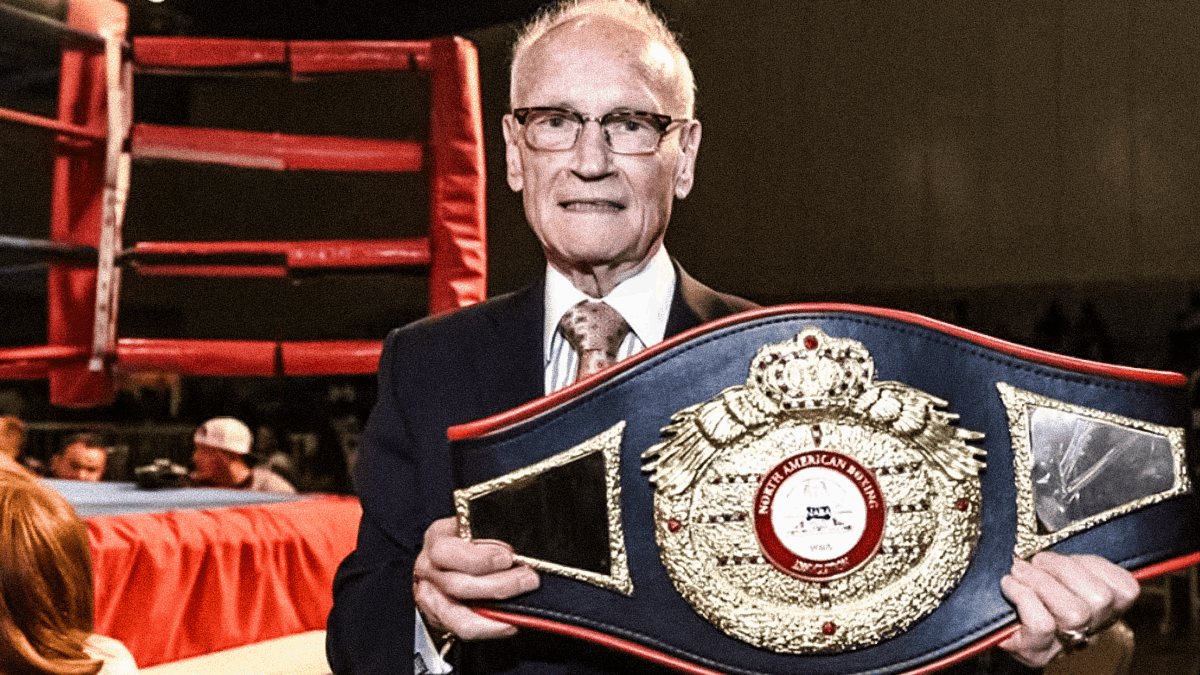
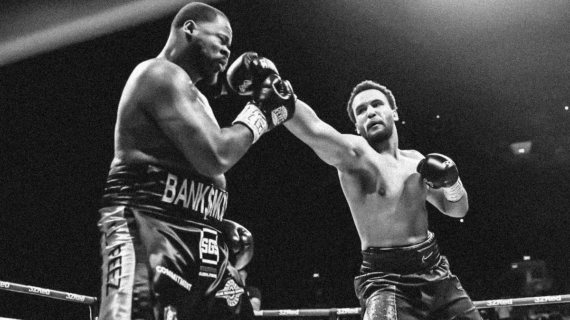
Photo: Stacey Verbeek – Guy Jutras
Respect even at the heart of controversy
In 1983, during the legendary clash between Marvin Hagler and Roberto Durán in Las Vegas, his presence was contested by both camps.
People doubted him. They questioned him.
As a result, he was moved from the role of referee to that of judge.
In an extremely close fight, he turned in a scorecard of 144–142 for Hagler, a decision that helped validate a verdict that could have easily descended into controversy.
Even under pressure, Jutras remained loyal to one thing: fairness.
The invisible mentor behind a generation
The legacy of Guy Jutras is not measured only by the fights he officiated.
It is also measured by the men he helped shape.
Officials such as the late Marlon B. Wright and Mike Griffin learned alongside him, far from the spotlight, in boxing gyms.
Jutras would bring them to observe, then referee sparring sessions. He corrected them in real time. Positioning. Timing. Authority. Composure.
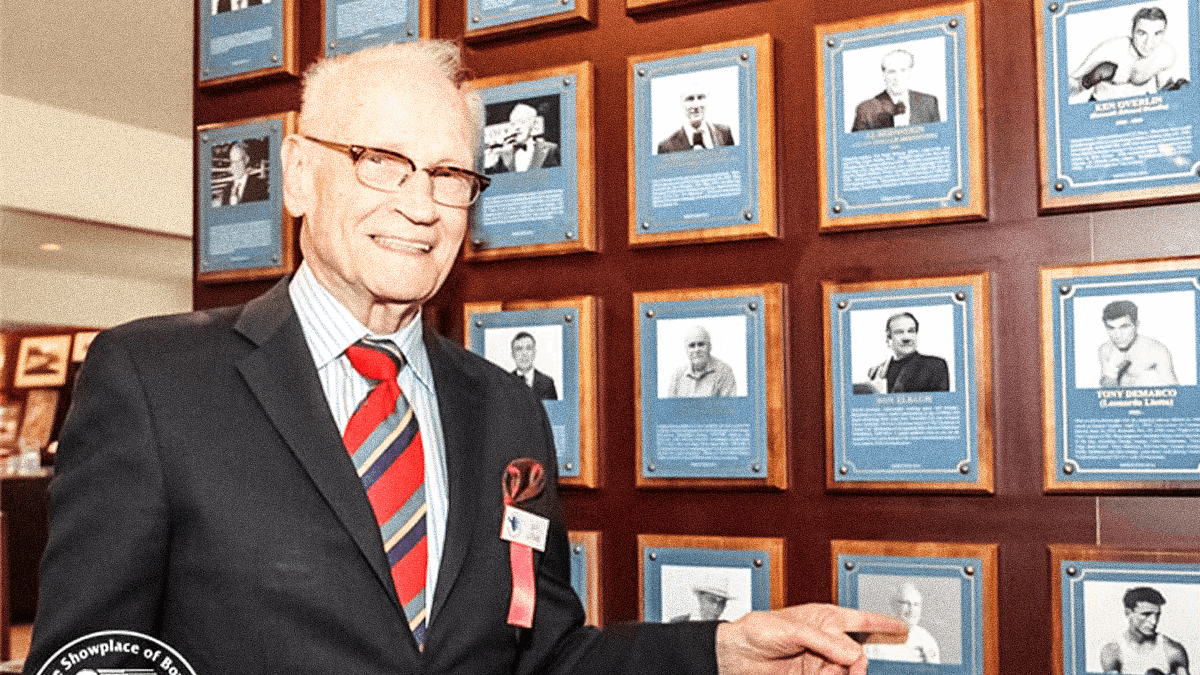
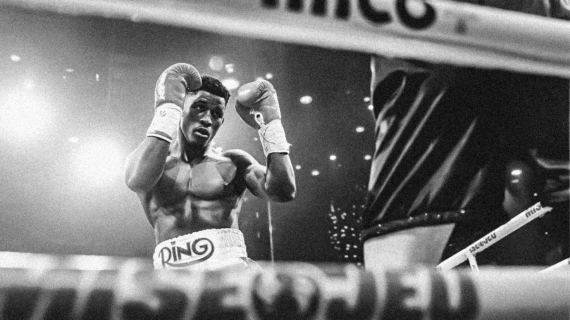
Photo: X.com – Guy Jutras
With Mike Griffin, he even had to insist since Griffin didn’t seem very interested at first:
“ No one is coming to replace me. I think you’d be good at it.”
It was his own way of building the future, and today we know the career Mike Griffin has gone on to build.
Guy Jutras the diplomat
Beyond the ring, Jutras was a major figure of influence.
For nearly 30 years, he served on the executive committee of the World Boxing Association. He built relationships, opened doors, and helped give Quebec credibility on the world stage.
His influence went beyond affiliations.
Respected by the WBA, but also by the World Boxing Council and the International Boxing Federation, he acted as a bridge between organizations.
In a sport often divided, he was a point of balance.
The man behind the legend
Despite 75 world championship fights, despite an exceptional international career, Guy Jutras remained loyal to a rare quality in this sport: humility.
As if, until the very end, he saw his role not as a career… but as a duty.

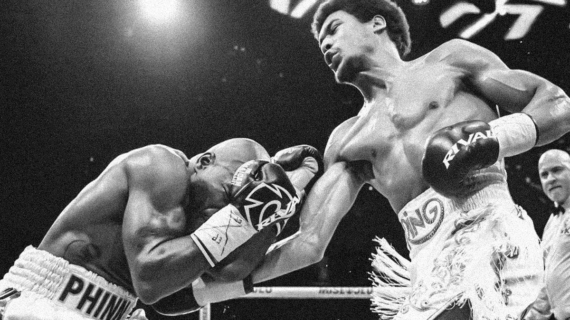
Photo: IG – Guy Jutras and Matt Casavant
An indelible legacy
Guy Jutras didn’t just raise the standards.
He elevated men, referees and judges.
He even elevated the very credibility of Canadian boxing.
Today, every official who steps into a ring in this country, consciously or not, walks in his footsteps.
And that is something no scorecard will ever be able to measure.