Three judges. One rulebook. And sometimes… decisions that make people question everything.
Controversial decisions are unfortunately part of boxing. How many times do we hear:
“We didn’t watch the same fight!”
Yet judges don’t score based on their mood. They apply a precise framework, particularly the one established by the Association of Boxing Commissions (ABC), the regulatory reference in North America.
I am not a judge. I am not trying to defend or attack the officials. I simply want to help fans understand how a fight is actually evaluated.
But there are close debates… and there always will be in sports judged by humans. There are even nights when a scorecard makes the entire planet react.
Remember the first fight between Gennady Golovkin and Saul “Canelo” Alvarez.
An elite fight. Tight. Tactical.
The majority of observers saw it as extremely competitive. Several experts agreed in giving a slight edge to Golovkin.
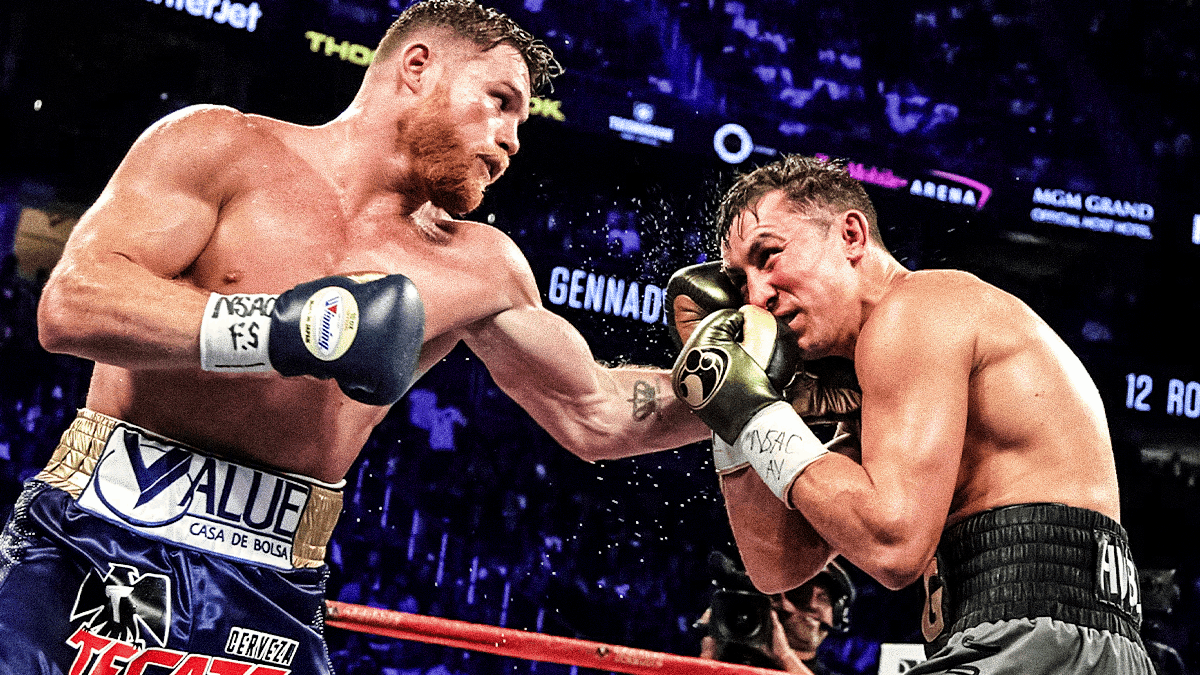
Photo: DAZN – Canelo Alvarez vs Gennady Golovkin
115–113 for Gennady Golovkin: Dave Moretti
114–114 draw: Don Trella
A legitimate debate. Up to that point, everything was fine.
Then came Adelaide Byrd’s 118–110.
Shock. No one could explain such a gap between the scorecards.
People spoke of a chasm.
In such a closely contested fight, seeing ten clear rounds for one man goes beyond a simple difference of perspective.
That is the exact moment when the public stops analyzing… and begins to doubt.
Corruption?
Incompetence?
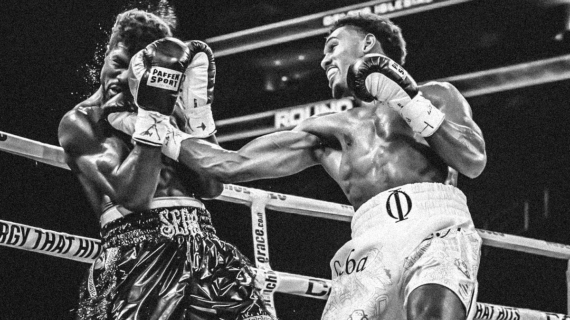
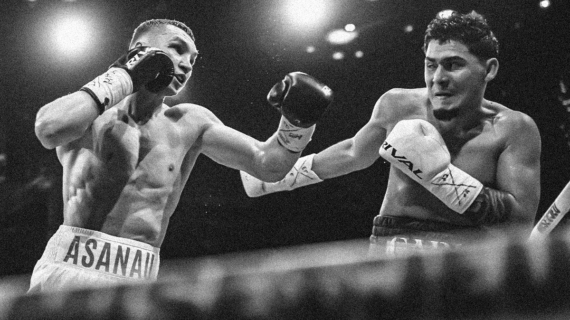
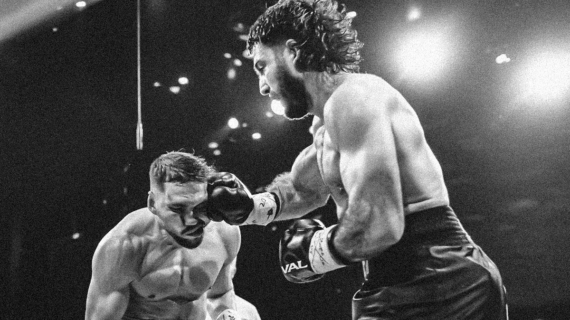
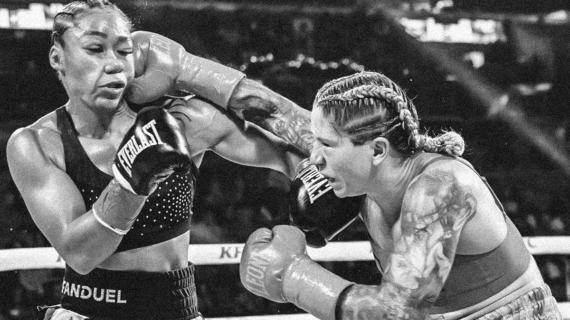
A radically different interpretation of the number one scoring criterion: clean and effective punching?
Whatever the answer, one thing is certain:
that night, it wasn’t the fight that fractured the trust.
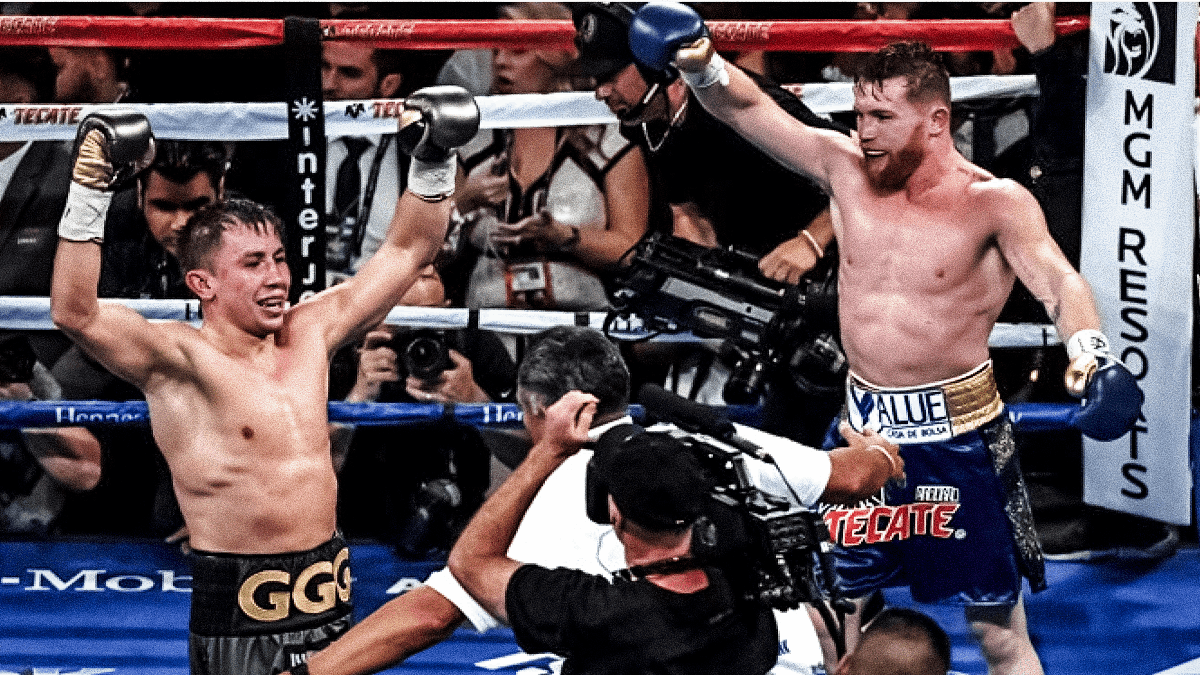
Photo: The Guardian – Gennady Golovkin vs Canelo Alvarez
It’s a scorecard.
And that is exactly why it’s important to understand how a fight is really judged.
Who actually judges a fight?
Around the ring, there are three independent judges representing a sanctioning body or the athletic commission of the state where the fight takes place. There is also a referee in the ring, also chosen by a sanctioning body in the case of a championship fight; otherwise, it is a referee selected by the commission. There will also be commissioners representing the local athletic commission and supervisors present for a fight sanctioned for a title.
The judges do not talk to each other.
They do not consult each other.
They score each round separately.
Three perspectives.
One single regulatory framework.
This framework is defined notably by the official manual of the Association of Boxing Commissions (ABC Rules).
And that manual is clear. Everything is written in black and white.
You don’t judge a fight. You judge rounds.
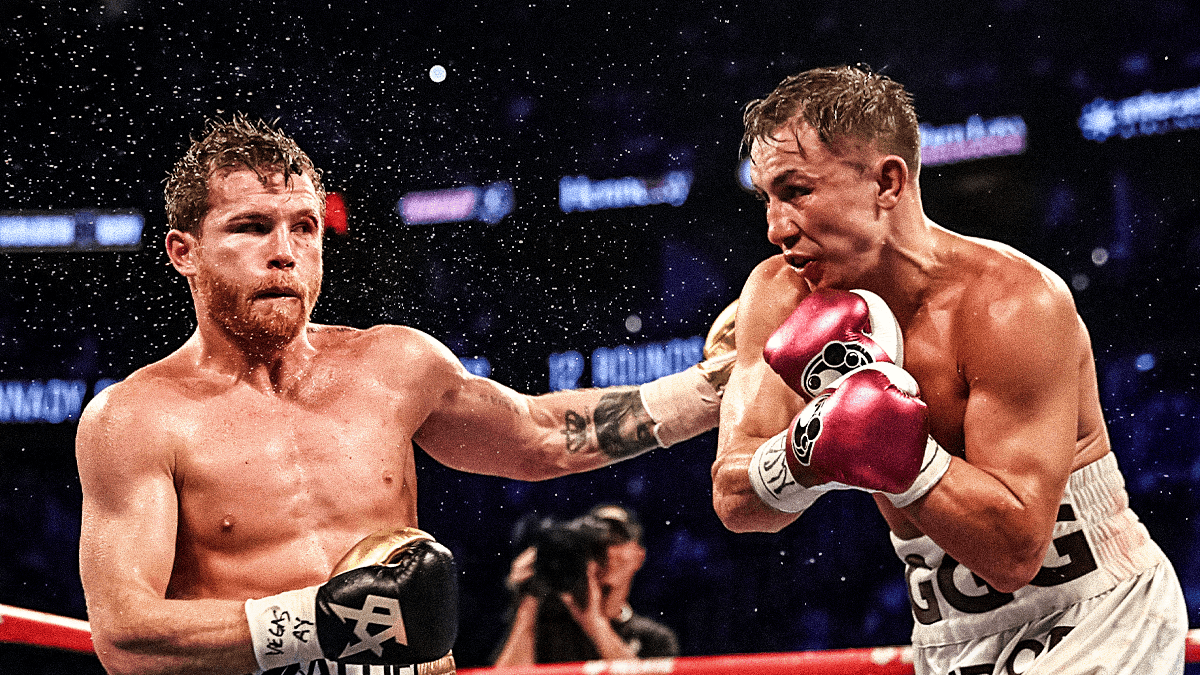
Photo: LATimes.com – Canelo Alvarez vs Gennady Golovkin
This is where everything begins.
10-point must system:
10 to the winner of the round
9 or less to the loser
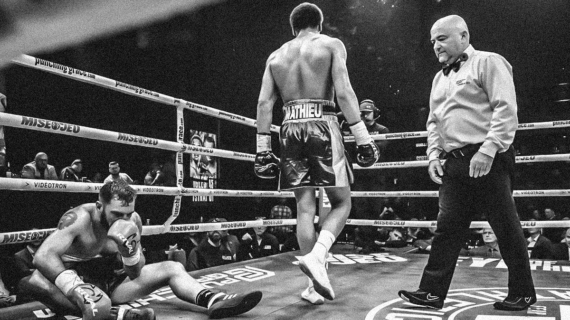
10–8: extreme and total dominance or a knockdown
one point is deducted when a fighter is knocked down (any part of the body touching the canvas other than the two feet)
A boxer may seem “more impressive” overall…
and still lose seven very close rounds.
The 4 criteria… and their hierarchy
This is where debates begin.
The criteria are not equal.
They are ranked.
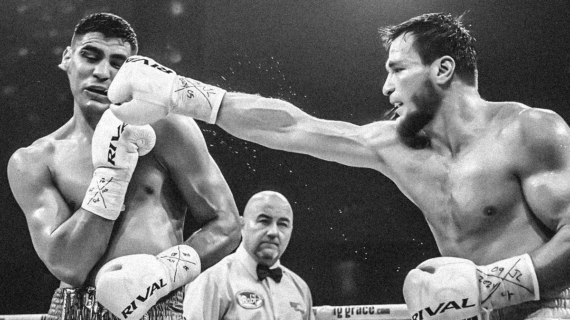
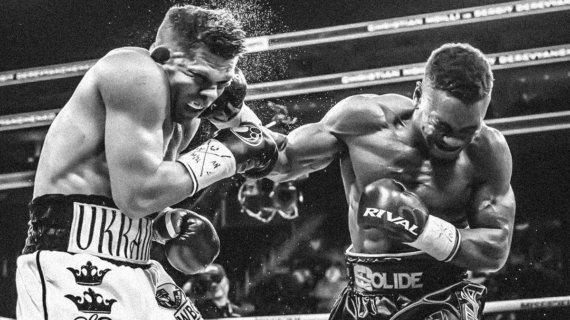
1 – Clean and effective punching
This is the number one criterion.
The most important.
The foundation.
A round is first won through:
• Legal punches
• Clean punches
• Punches that have a real effect
Period.
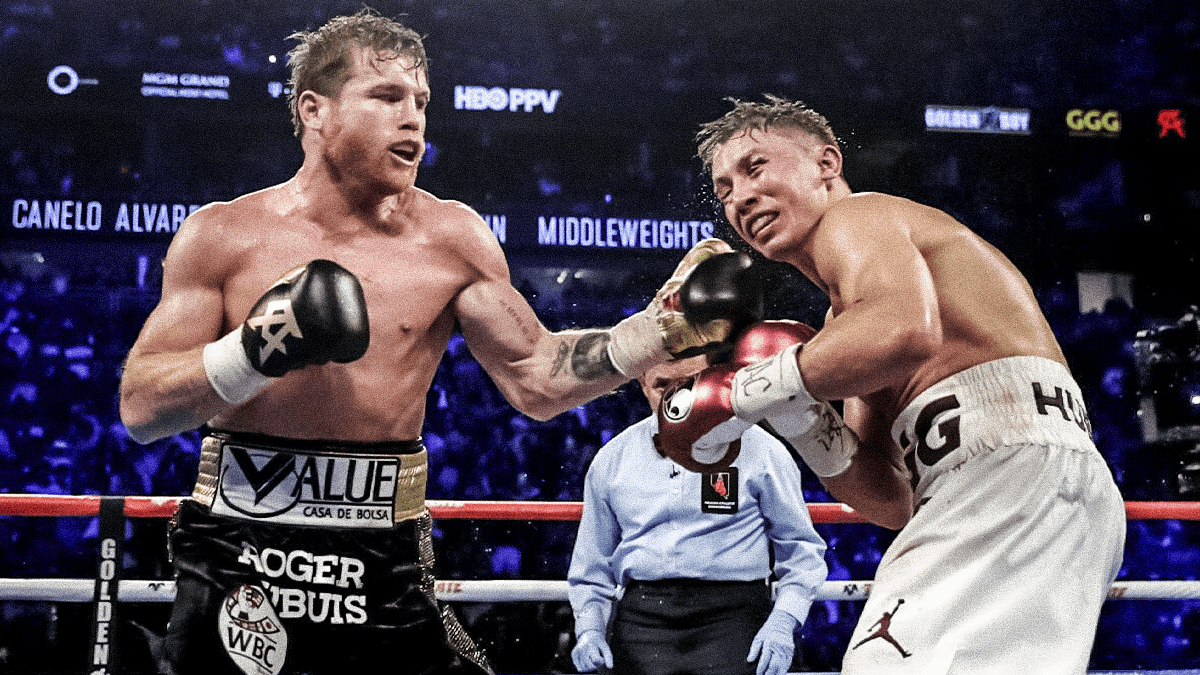
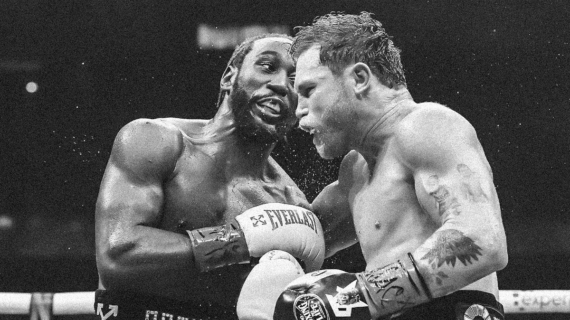
Photo: Los Angeles Times – Canelo Alvarez vs Gennady Golovkin
If this criterion clearly identifies a winner, the other three shouldn’t even be needed.
That’s essential.
If a boxer lands cleaner and more effective punches, the round belongs to them. It’s as simple as that. Even if the other fighter applies pressure, moves forward more, or chases…
2. Effective aggression
Moving forward does not mean winning.
A boxer who presses but gets cleanly countered does not automatically win the round.
Aggression must produce measurable results.
But again: this criterion only comes into play if the first one does not clearly decide the round.
3. Ring generalship
Who dictates the pace?
Who controls the distance?
Who forces the other fighter to adjust?
Control is subtle.
But again, it does not outweigh clean and effective punching from the first criterion.
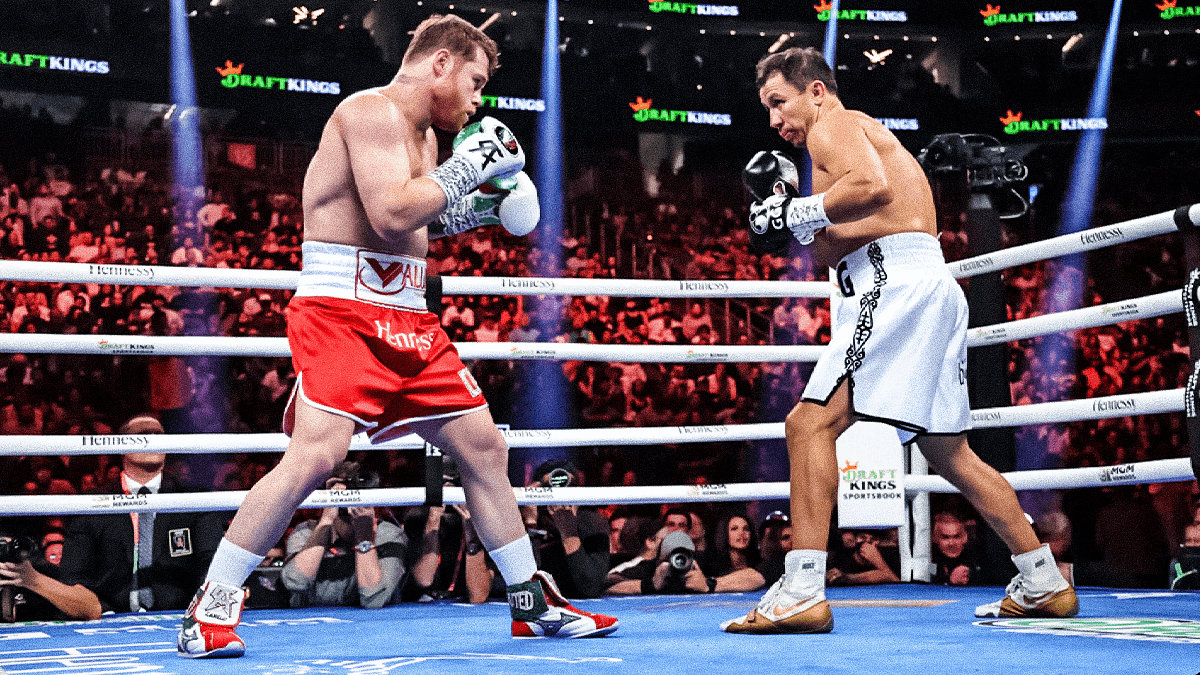
Photo: BoxRaw – Canelo Alvarez vs Gennady Golovkin
4. Defense
Making the opponent miss.
Countering.
Avoiding punches intelligently.
Holding and simply surviving is not a defense that is rewarded.
An important point to note here: this criterion is used to separate extremely close rounds. Not to overturn something that is obvious.
So… what happened in Golovkin–Alvarez I?
If one judge highly values the precision of counterpunching, they may see certain rounds for Alvarez.
If another values constant pressure and volume, they may see Golovkin ahead.
But to reach 118–110, a judge must have seen ten rounds for one boxer while many others saw a close fight leaning toward the other fighter.
And that is where the public disconnects.
Because in a competitive fight,
ten “clear” rounds for one man are rare.
Does that mean a judge is dishonest?
Not necessarily.
But it illustrates just how much the interpretation of the number one criterion, clean and effective punching, can diverge.
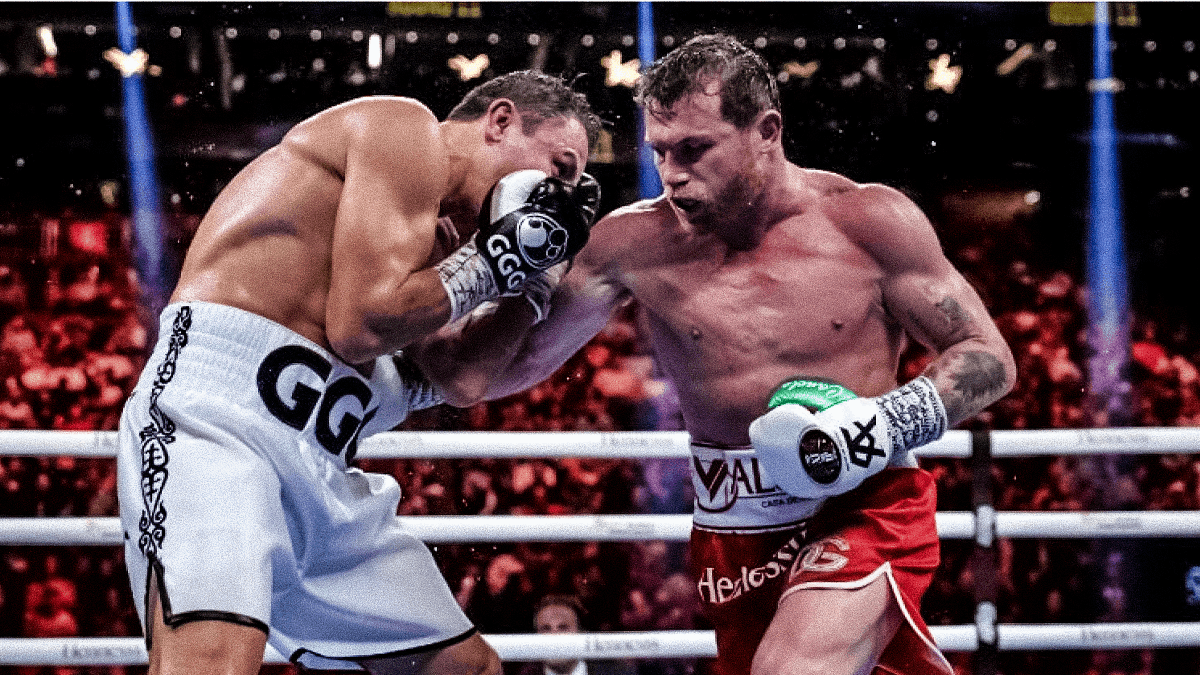
Photo: Sportsnet – Gennady Golovkin vs Canelo Alvarez
Why can three judges disagree?
Because:
• They are positioned at different angles.
• Some punches are partially hidden.
• Rounds are sometimes extremely close.
• The unconscious weight given to certain elements can vary.
But they must all respect the same hierarchy.
If the first criterion produces a clear winner,
the others should not change the outcome of the round.
That is where credibility is decided.
Boxing is not arbitrary. But it is human.
The manual insists:
• No influence from the crowd.
• No favoritism toward a champion.
• No emotion.
• No giving a round “to even things up.”
You judge with your eyes.
Not with your heart.
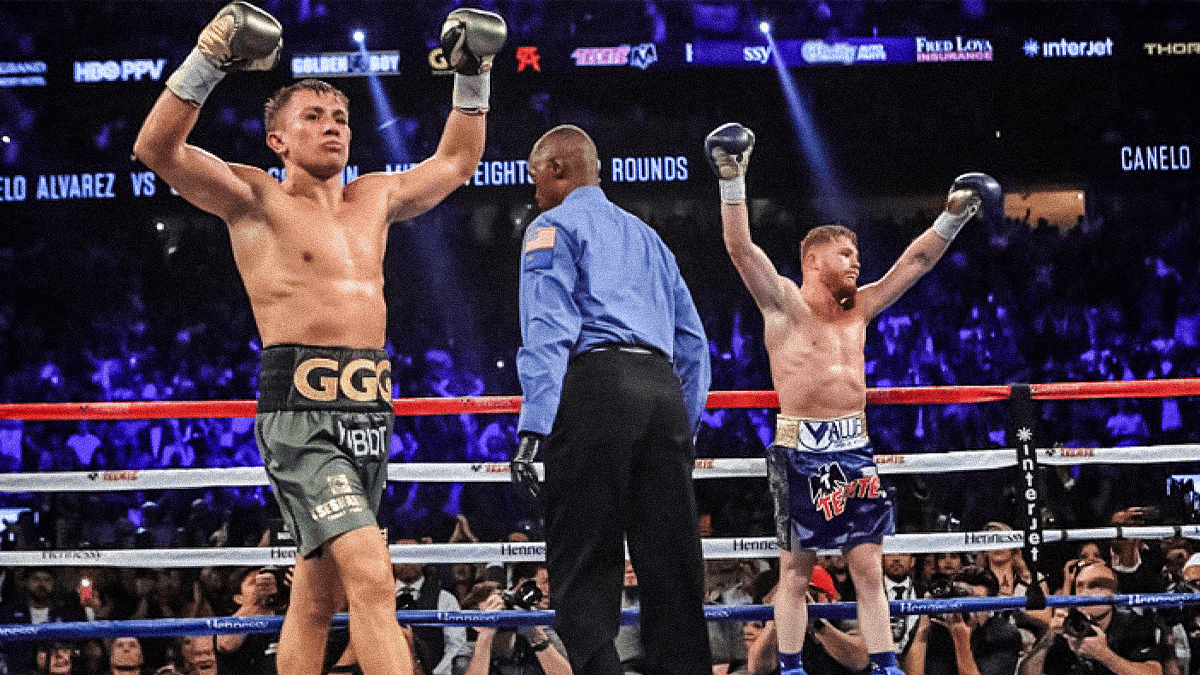
Photo: Boxing News 24/7 – Gennady Golovkin vs Canelo Alvarez
The next time you watch a fight
Don’t ask: “Who impressed me the most?”
Ask:
-
Who landed the cleanest and most effective punches?
-
If it’s even, who showed effective aggression?
-
Who controlled the pace?
-
Who defended intelligently while remaining dangerous?
Try this exercise.
You’ll see that some debates remain legitimate.
But you’ll also understand why some scorecards weaken the public’s trust.
Three judges.
One rulebook.
And sometimes… a completely different vision.
That’s boxing… It creates debates, and that’s normal.
But understanding the hierarchy of the criteria turns an emotional reaction into informed analysis.
And that’s where the discussion becomes interesting.