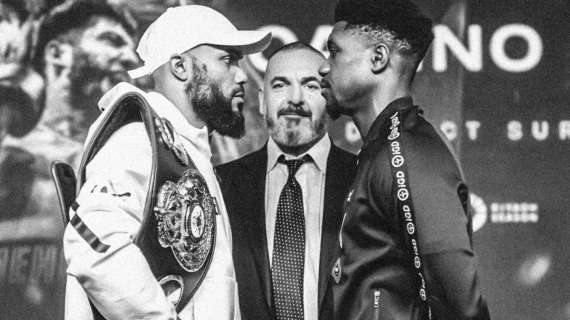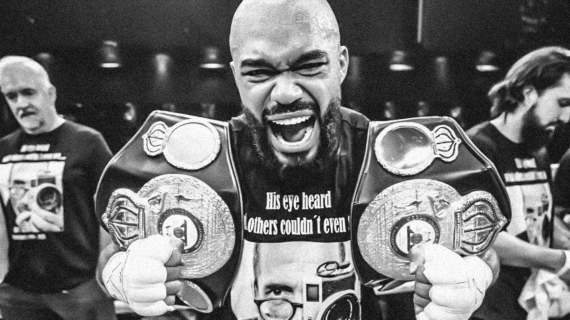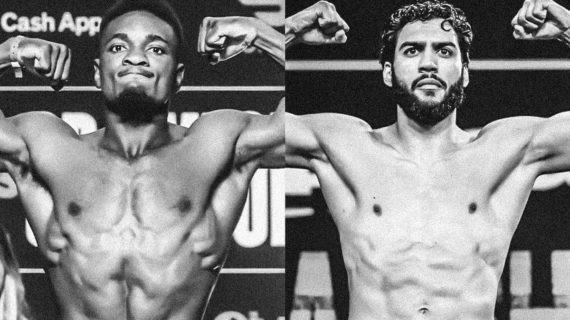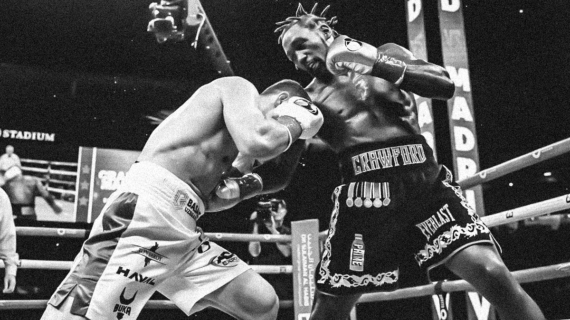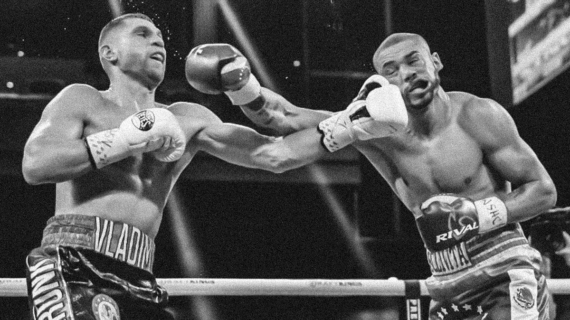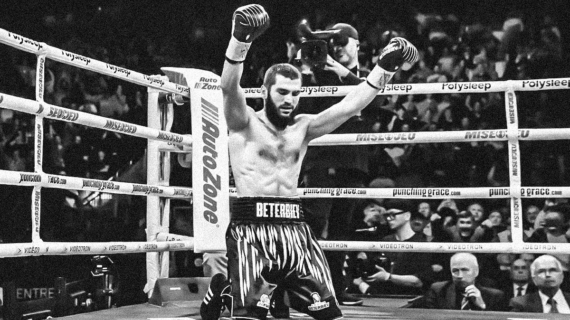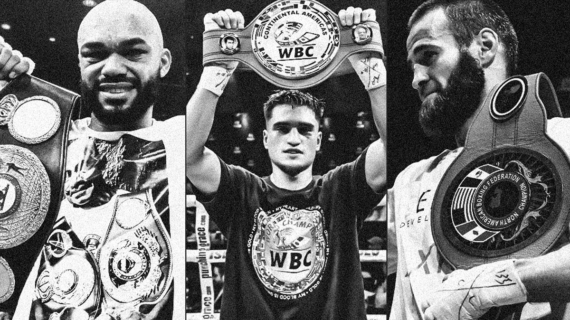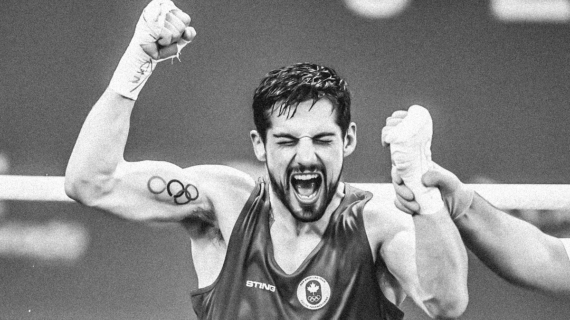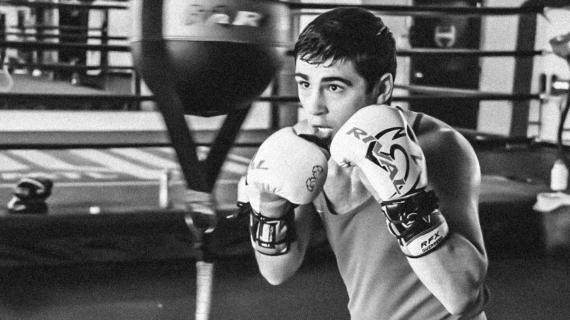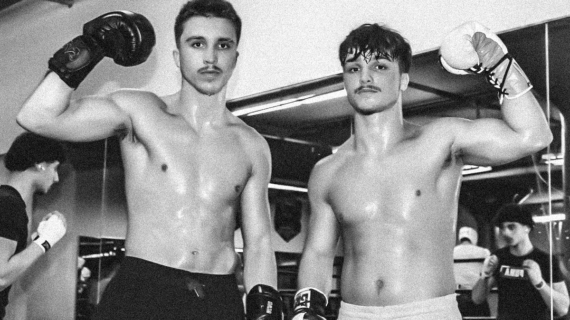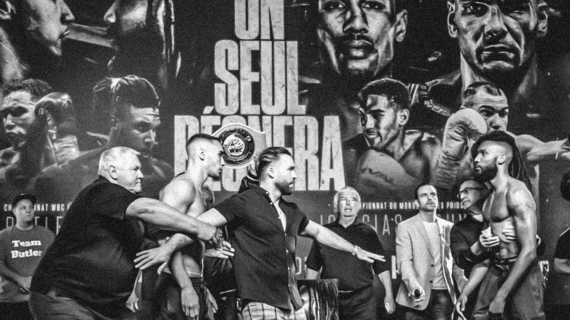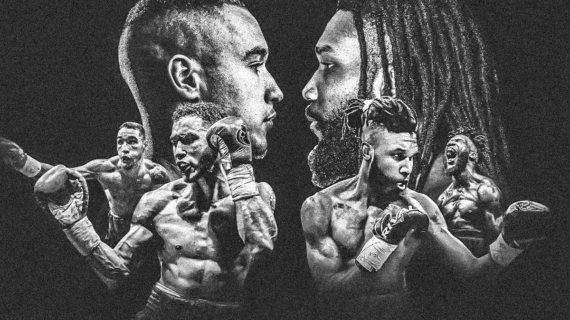
Steven Butler’s next opponent will be Ramadan Hiseni. It should be noted that this boxer has recently managed to derail the plans of two rising contenders.
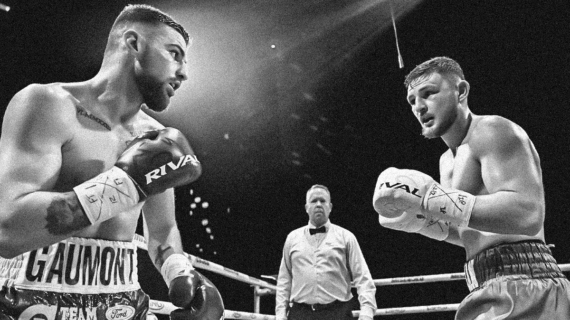
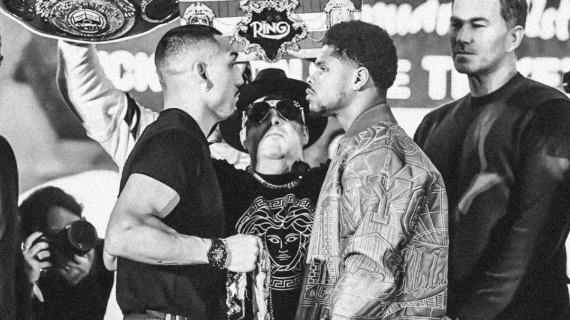
On June 6, 2024, at the Casino de Montréal, Ramadan Hiseni caused a surprise by earning a draw against prospect Shamil Khataev. Then, on December 11, Hiseni stunned once again, this time by defeating Alexandre Gaumont by unanimous decision.
I therefore propose to analyze this boxer. Indeed, Hiseni has something intriguing from a coach’s perspective. He belongs to that category of fighters who prove to be dangerous and effective despite rather mediocre technique.
Is this because Hiseni brings more technically gifted opponents down to his level? Or does he compensate for his technical flaws through a combination of intangible but effective factors?
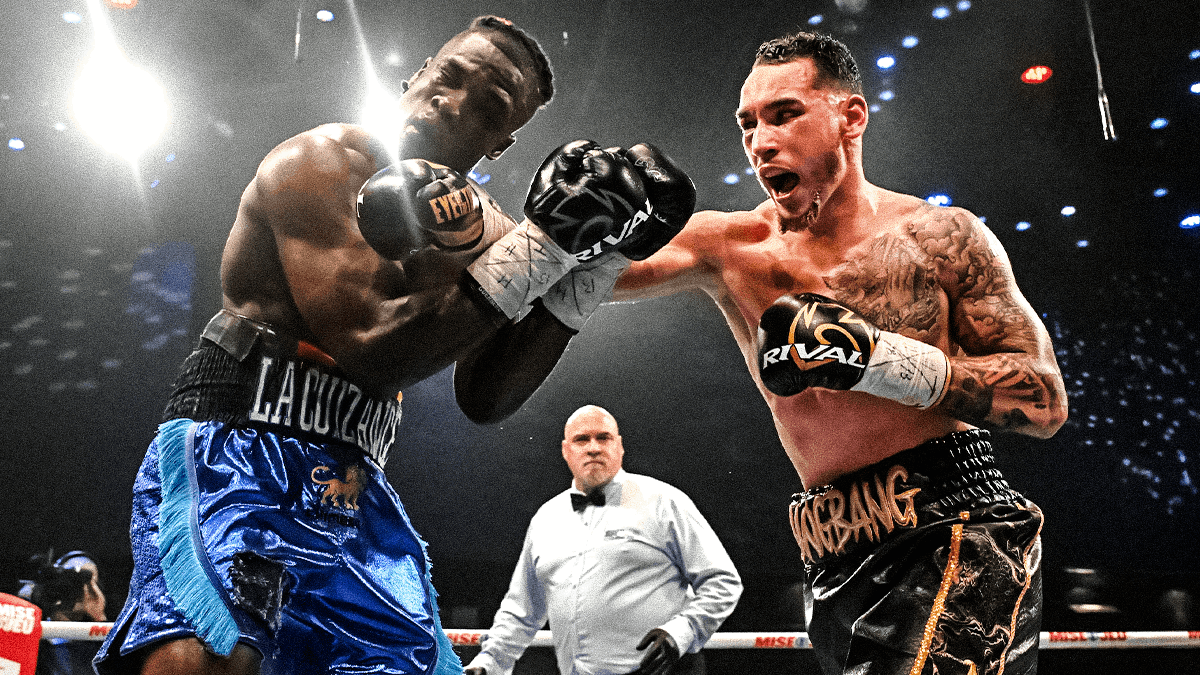
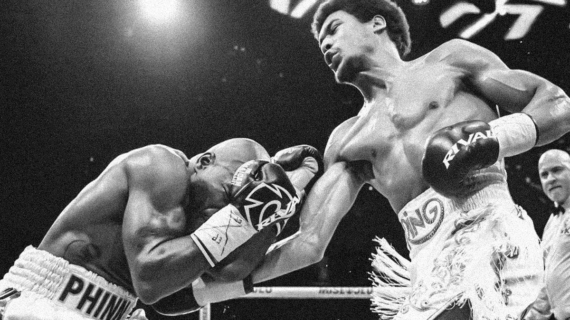
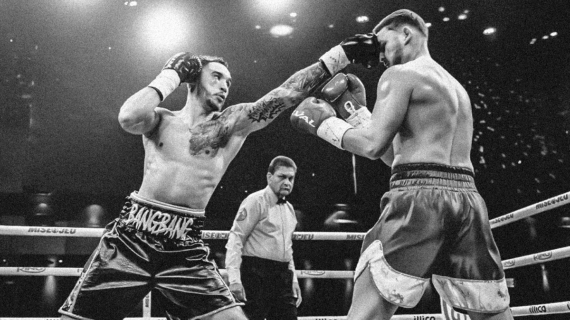
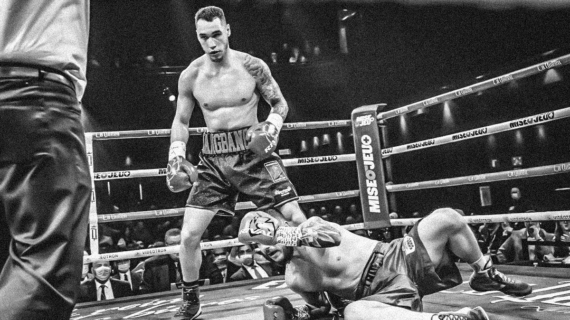
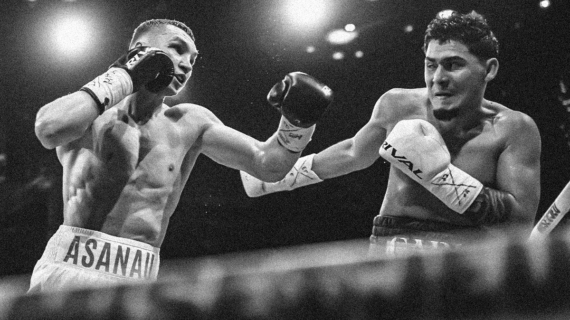
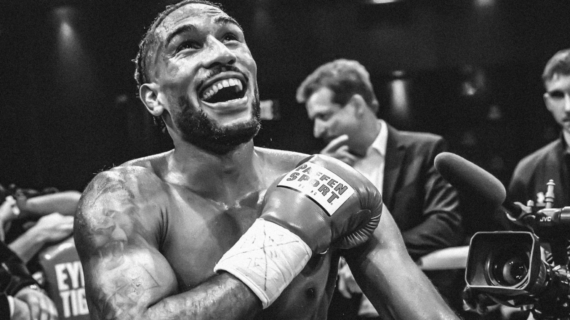
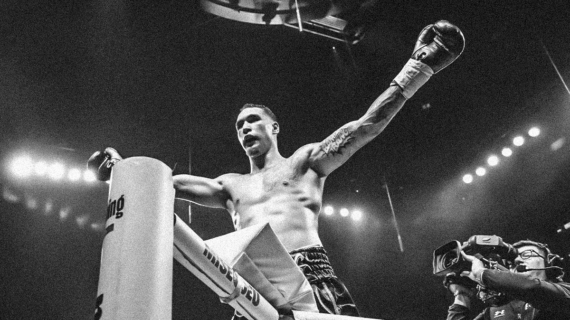
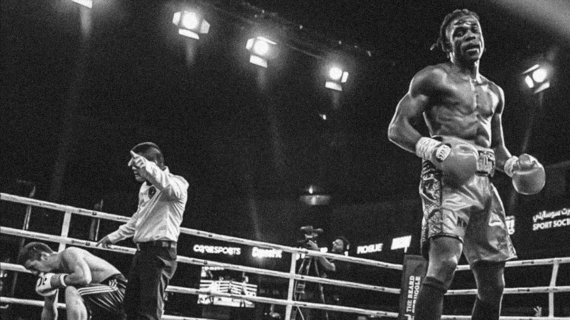
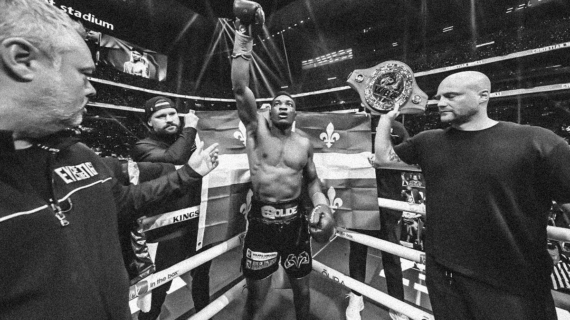
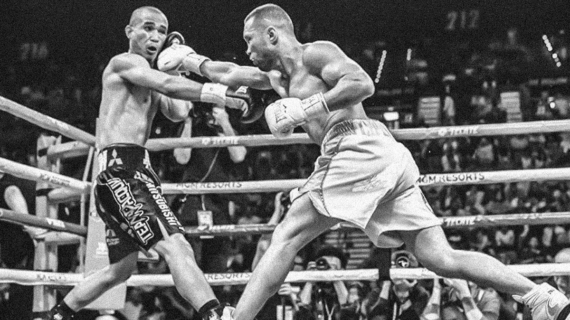
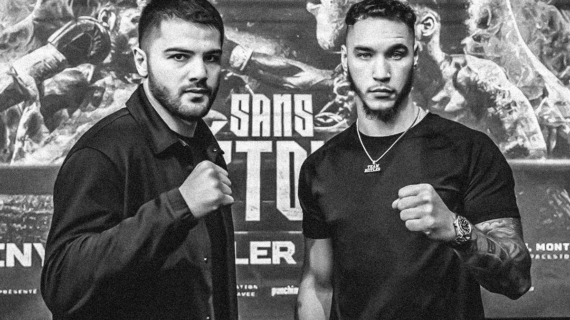
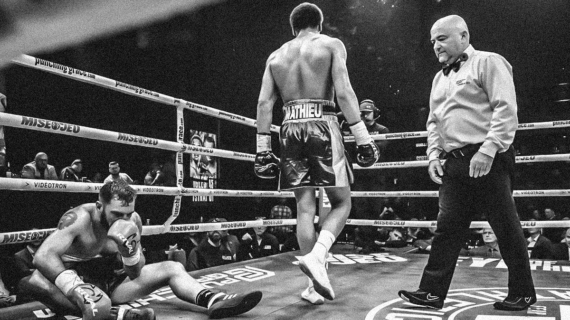
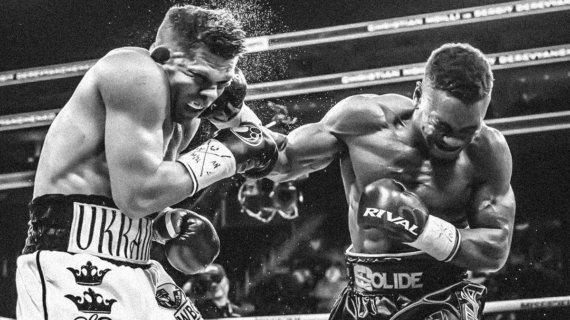
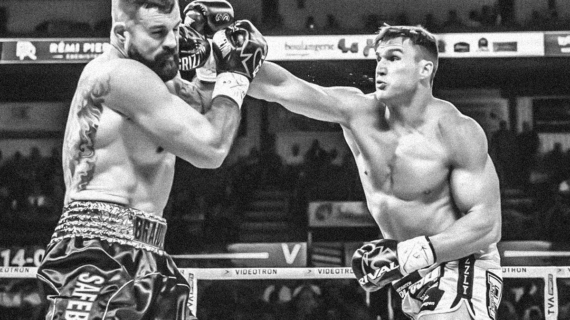
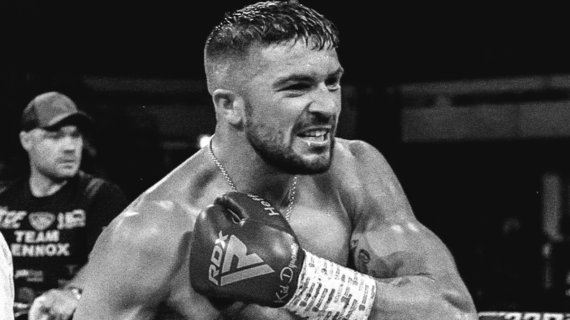
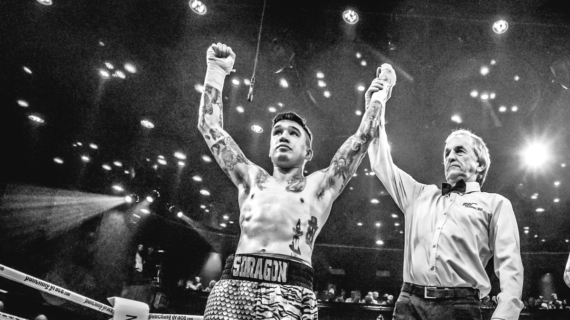
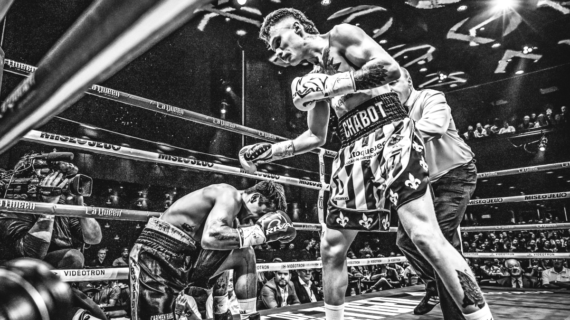
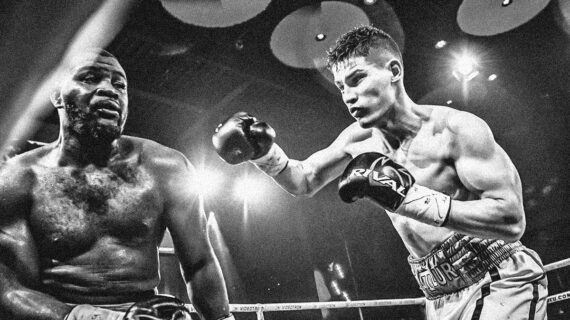
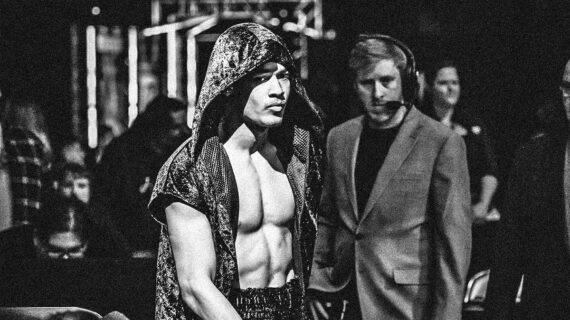
Photo: Vincent Ethier – Steven Butler vs Stephane Fondjo
RAMADAN HISENI, A PUZZLE TO UNRAVEL!
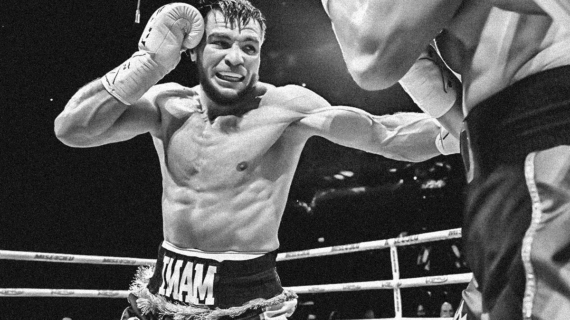
Among his strengths, Hiseni has good footwork, which allows him in particular to surprise his opponent. He stands out for his ability to leap forward unexpectedly.
However, this ability to attack quickly is undermined by the way he lands. When he touches the ground—especially when throwing a straight punch—his right foot steps so far forward that he loses his basic stance and ends up completely squared up.
Surprisingly, Hiseni rarely pays the price for this technical error. While he finds himself in trouble due to an unstable landing, against all expectations he manages to get out of it by clinching and shoving his opponent.
But as if escaping danger were not enough, Hiseni immediately takes advantage of the situation by intensifying the clinch and initiating strength contests that exhaust the opponent—but not him. In fact, he seems tireless.

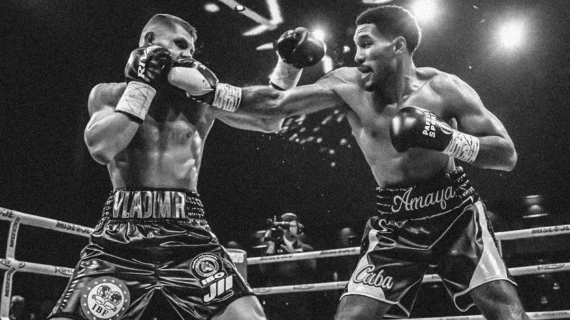
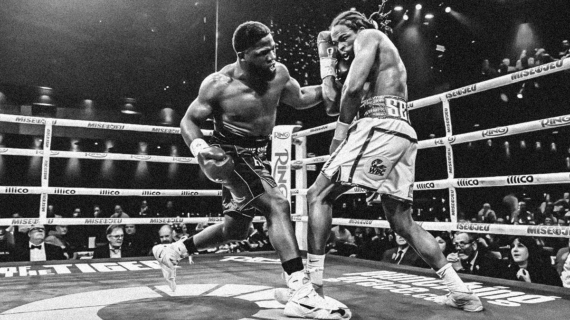
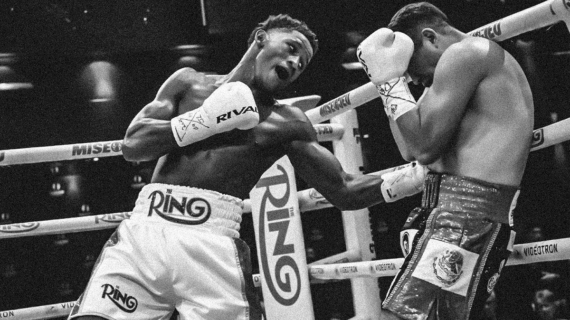
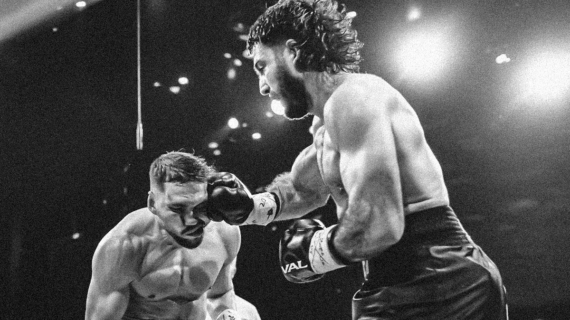
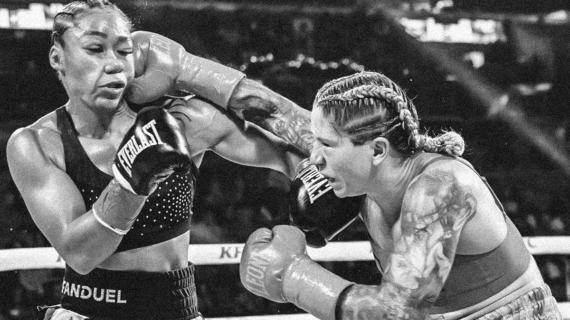
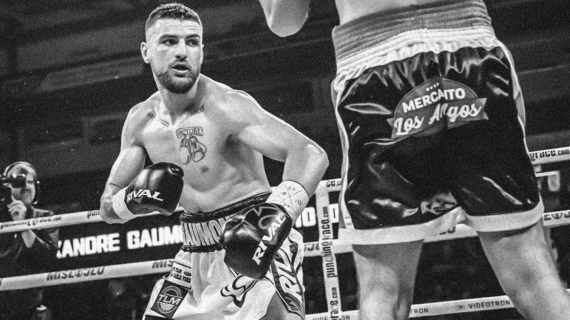
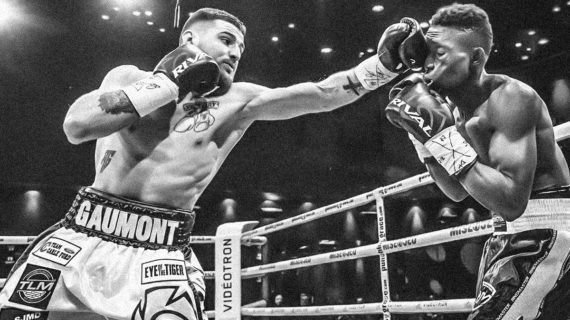
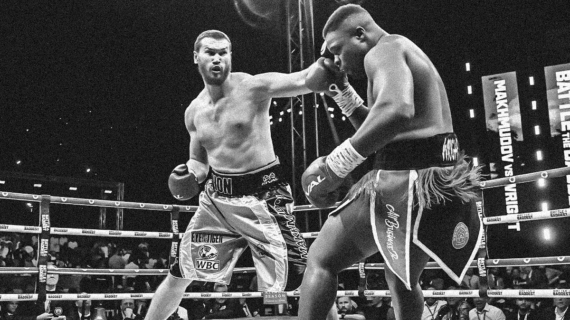
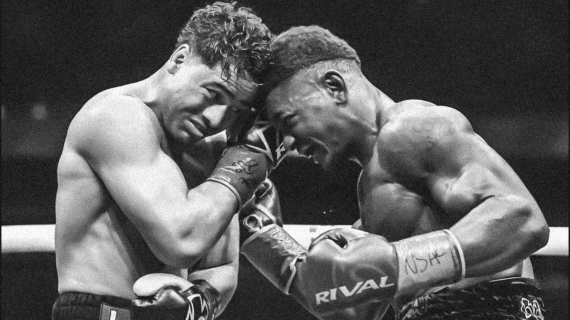
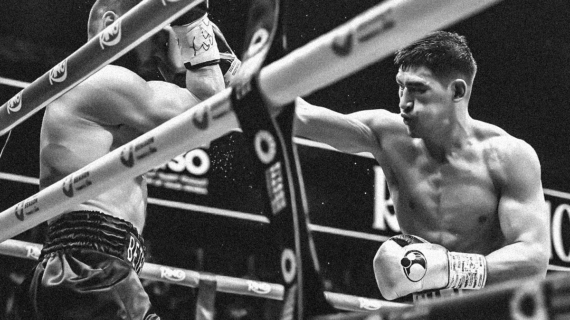
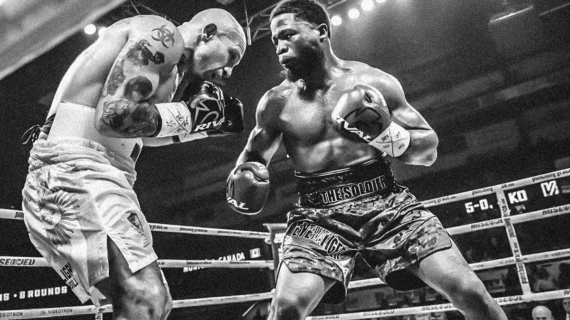
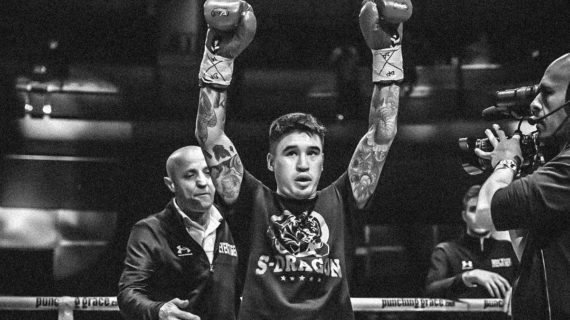
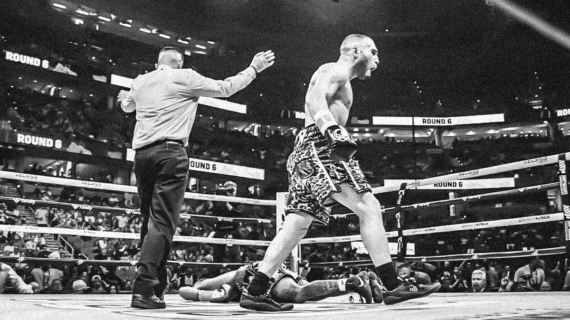
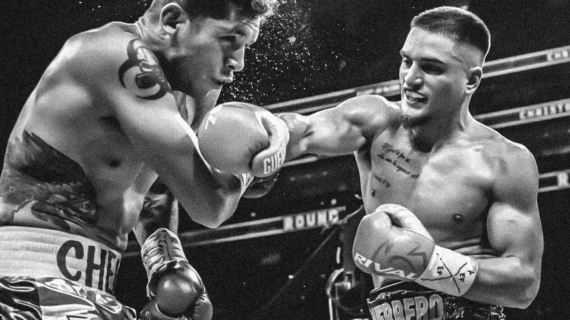
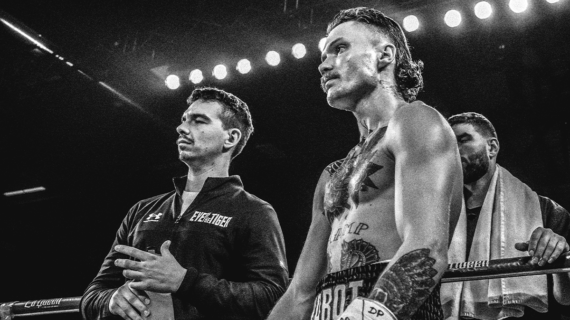
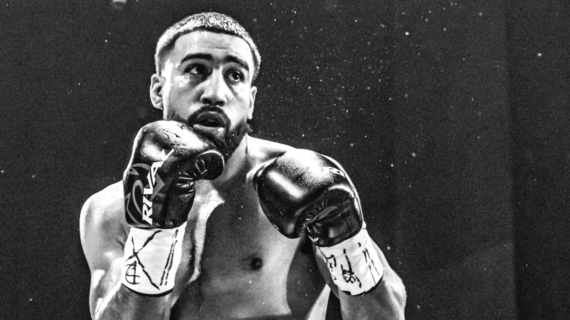
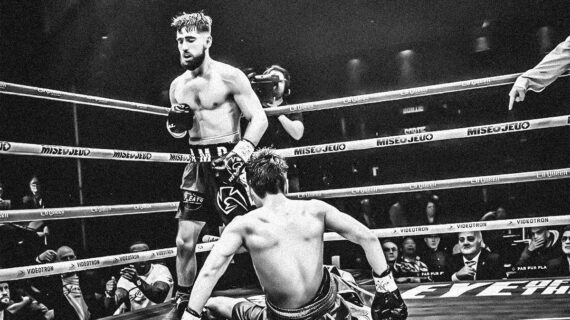
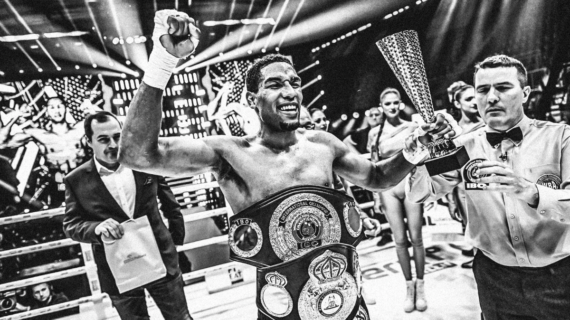
Photo: Vincent Ethier – Ramadan Hiseni vs Alexandre Gaumont
MORE DANGEROUS IN THE SECOND HALF OF HIS FIGHTS
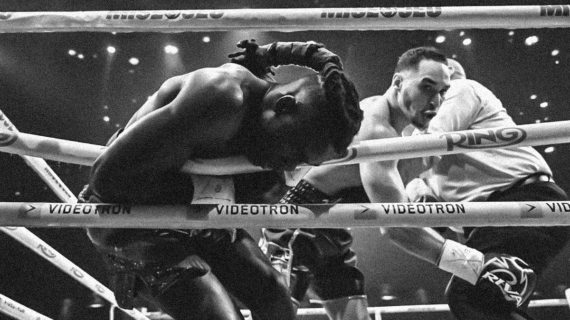
Even though Hiseni does not have an outstanding knockout ratio, he does possess respectable power, especially since it remains present late in fights. It was in the ninth round, in fact, that he landed a solid right hand on Alexandre Gaumont, sending him to the canvas.
From a technical standpoint, however, there is another aspect of Hiseni’s style that diminishes his qualities as a boxer: his stance. In boxing terms, one would say that he “boxes tall.” This is a polite way of describing a fighter whose style more closely resembles that of amateur boxers than professionals.
Concretely, this means that Hiseni throws his punch combinations with his head completely above his guard, and more specifically above his shoulders. At close range in particular, this leaves him significantly exposed.
During his fight against Alexandre Gaumont, the latter was able to exploit this weakness by landing several power shots. This time, however, it was Hiseni’s ability to absorb punches that allowed the Swiss boxer to escape the consequences of this technical flaw.
Throughout that fight, Alexandre Gaumont was nonetheless unable to capitalize on the fact that Hiseni constantly leaned his head forward. Tilting the head forward is not always a technical error. However, it becomes one when the boxer inclines his body automatically and repetitively, without first reading the opponent’s behavior and intentions. Under those circumstances, Hiseni could have paid a heavy price for repeating this mistake throughout the fight.

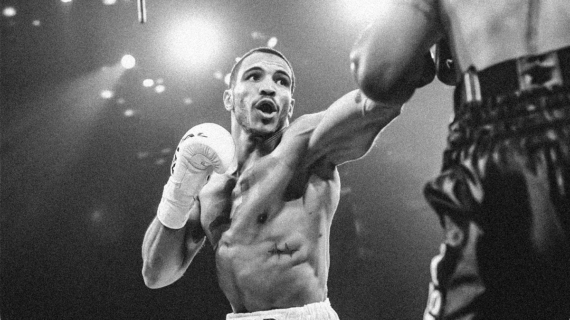
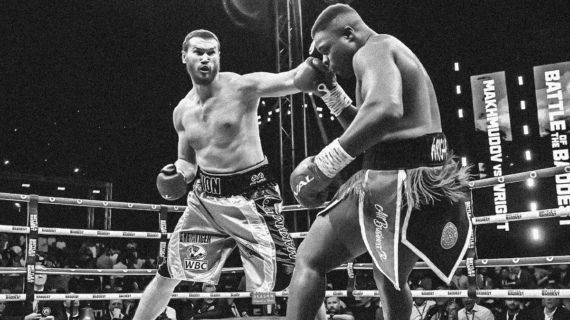
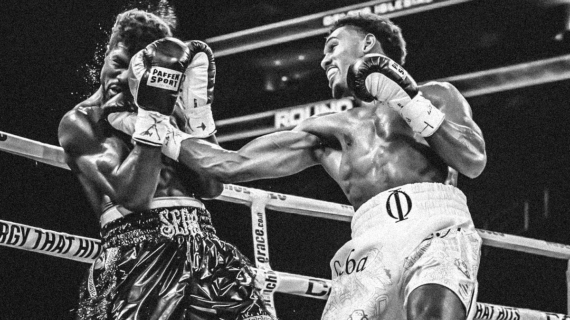
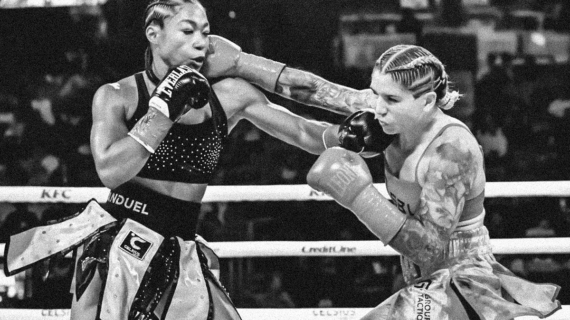
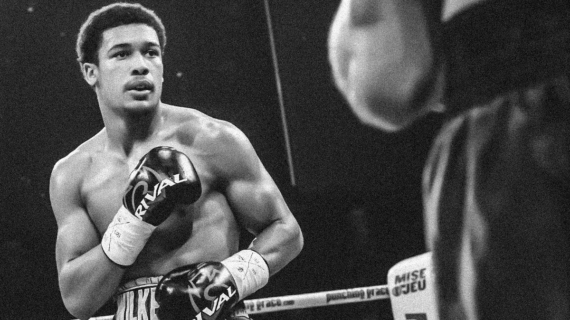
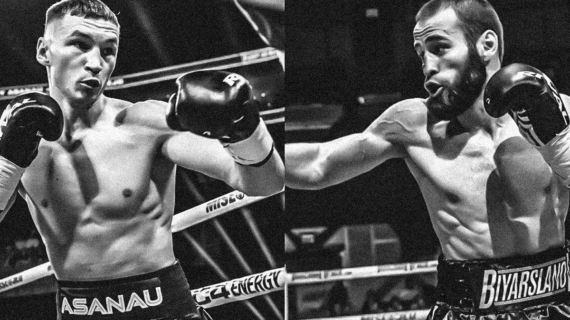
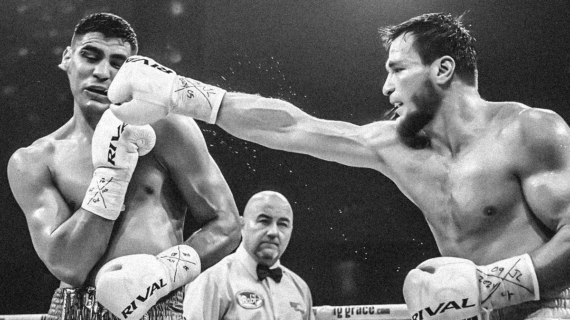
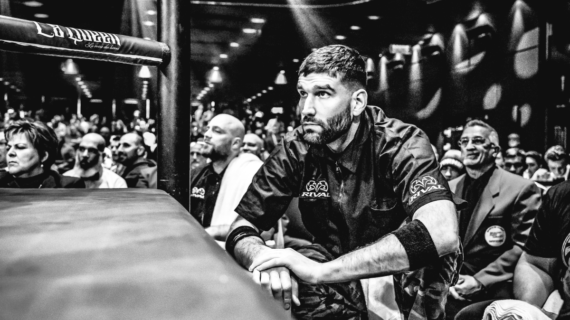
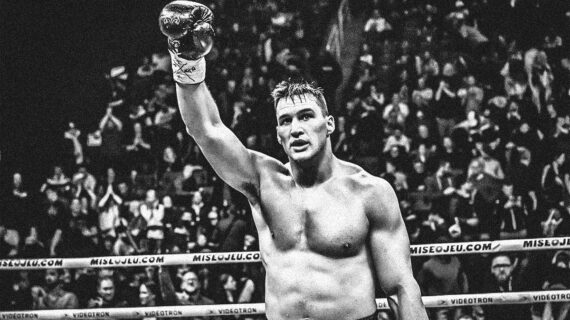
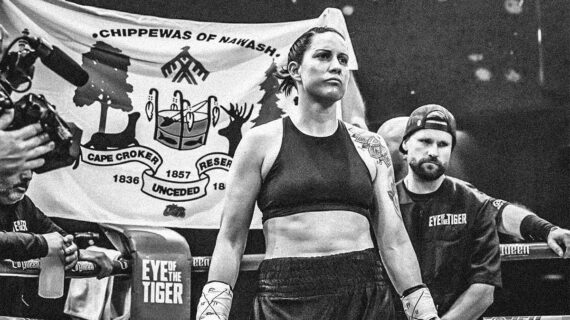
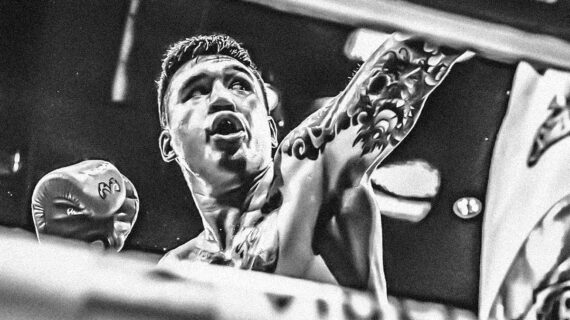
Photo: Vincent Ethier – Ramadan Hiseni vs Alexandre Gaumont
BUT HOW CAN A BOXER PERFORM DESPITE TECHNICAL DEFICIENCIES?
In fact, speed, punch volume, and durability are usually the main characteristics of this type of boxer. Even if their style is disjointed, sometimes even chaotic, it is precisely this that makes them difficult opponents for fighters who are not accustomed to such a way of fighting.
A comparison can be made with a right-handed boxer facing a southpaw for the first time. In such a case, even an experienced right-hander will normally be unsettled during the fight. On the other hand, the surprise and disruptive effect will be much less pronounced for a right-handed boxer whose résumé includes many bouts against southpaws.
In the boxing world, the primary objective of coaches is to raise the technical level of their fighters. To do this, they seek sparring partners who are among the most technically skilled. As a result, they usually ignore those whose technical level does not meet what they believe is essential for a boxer’s development.
Yet shouldn’t a boxer and his team also prepare adequately to face technically imperfect fighters who are nonetheless effective because of the unusual directions and angles they give to their movement and punch combinations? I believe that good preparation requires including this type of boxer among the various training partners.

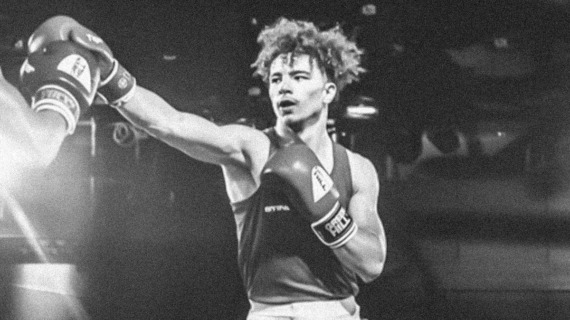
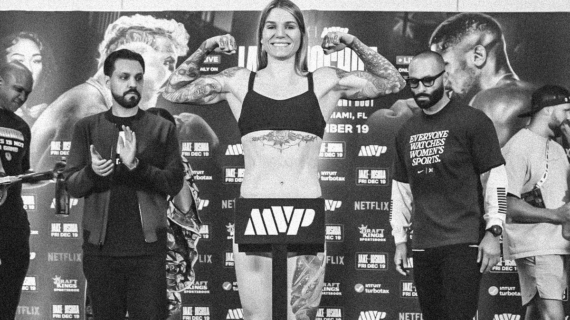
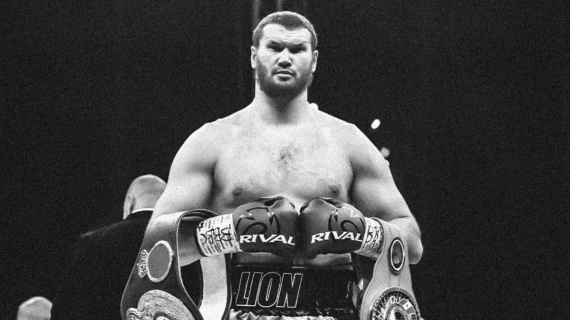
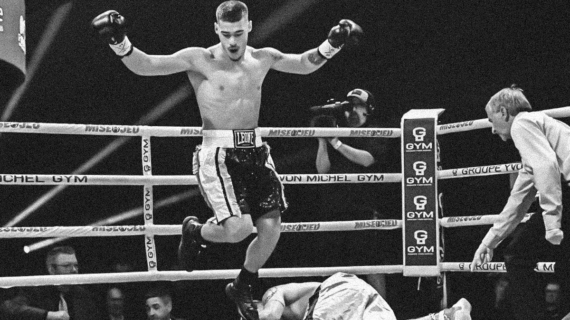
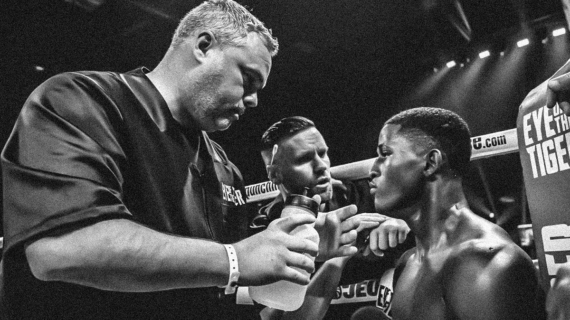
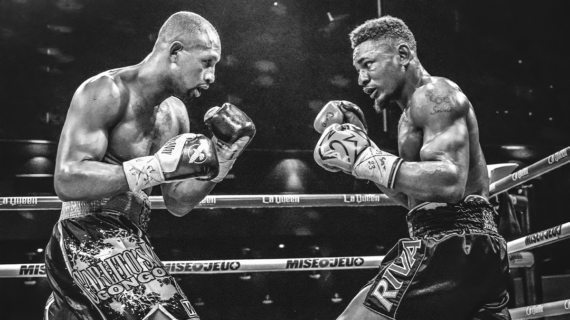
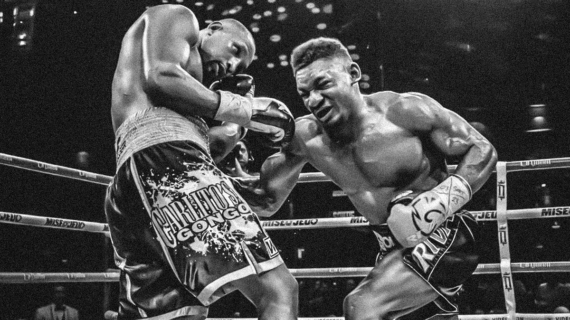
Photo: Vincent Ethier – Steven Butler vs Stephane Fondjo
RAMADAN HISENI, AN ATYPICAL BOXER NOT TO BE TAKEN LIGHTLY!
For my part, I remain a staunch supporter of technique. It is, in fact, the type of instruction I value above all else in what I offer to boxers and to coaches who wish to commit themselves to or pursue a career in boxing.
That said, my teaching has never ignored the technical deviations that some boxers or coaches adopt compared to the standard approach. In other words, technique should not be confused with effectiveness. A boxer’s level is not always measured solely by technical ability. There are so many performance factors that have nothing to do with technique.
I would even say that there is a trap in always evaluating a boxer based on technical level. And that trap is even greater when dealing with an opponent like Hiseni. In such a case, there is a risk of underestimating him. This could lead to overconfidence, but also to preparation that is not adapted to the opponent’s true capabilities.
There is also a question of respect that every boxer must show toward an opponent. Hiseni deserves that respect, especially given what he has accomplished so far.
As for Steven Butler, I will leave it to the readers to think about what type of strategy could thwart the hopes of this valiant Ramadan Hiseni.