A strategic framework for coaches and advanced enthusiasts
This text does not claim to establish an absolute truth. Rather, it is a synthesis drawn from my observations, my readings, and above all, my experience in the field.
As a coach, I am constantly learning. Boxing is a world of immense richness and complexity, and every fight brings its own set of new questions. What I offer here is therefore a pedagogical framework—a way of organizing certain ideas to better understand the underlying logic that structures fights.
In reality, styles blend, evolve, and transform.
Boxing is deeply situational. There is no fixed or absolute truth in this sport.
A style is not just an aesthetic or a visual identity.
A style is, instead, a decision-making structure.
Each major school of boxing is built on its own internal logic. It aims to develop the most effective system to dominate others. These systems are generally constructed around several fundamental variables: preferred distance, risk management, optimal offensive output, energy efficiency, and the reading of rhythm.
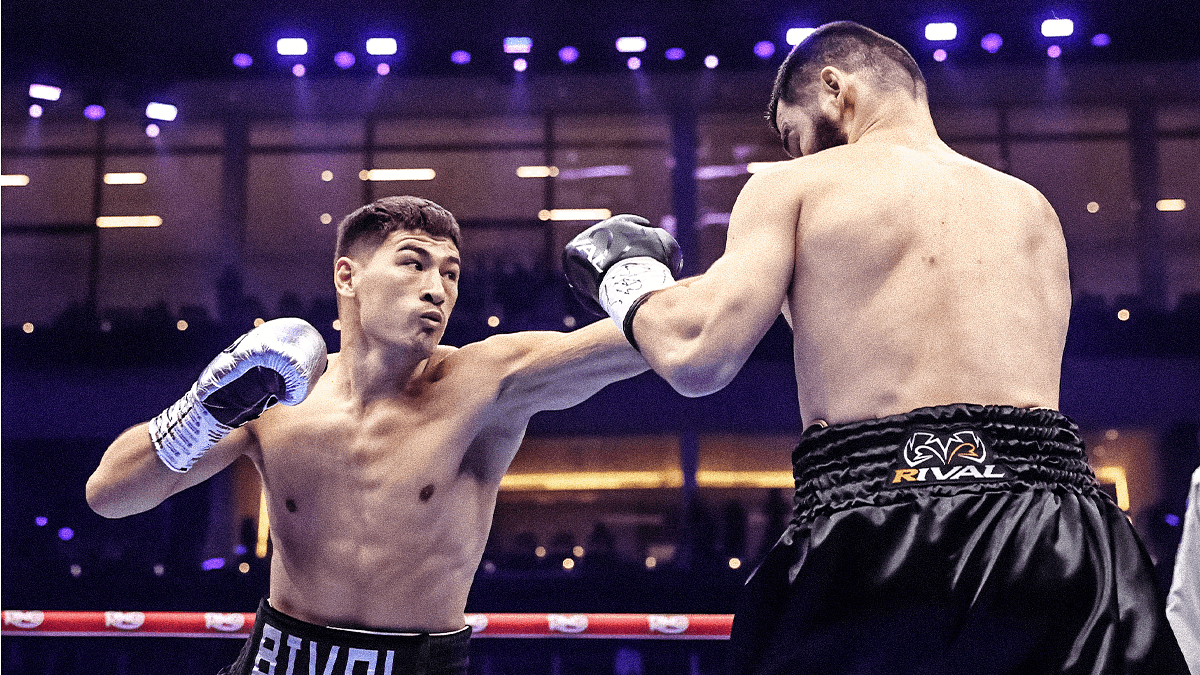
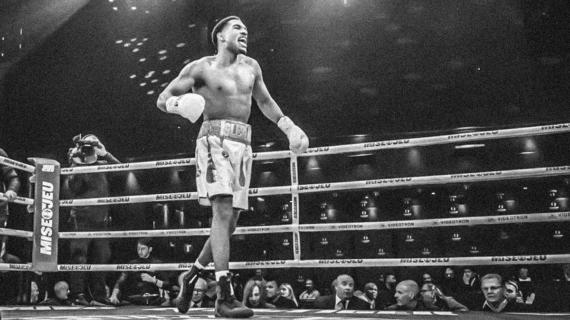
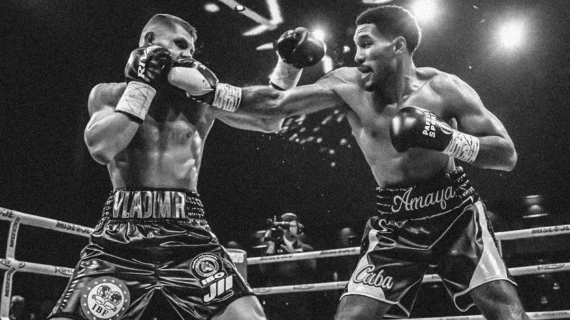
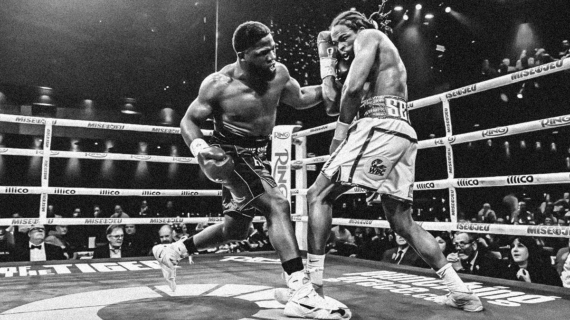
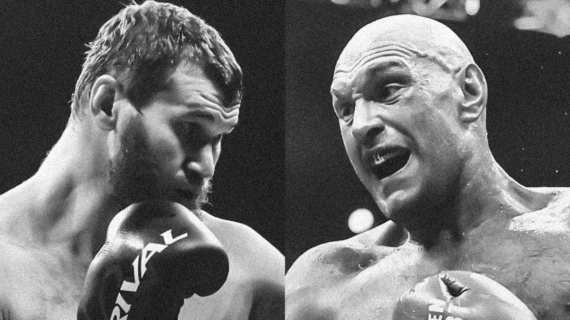
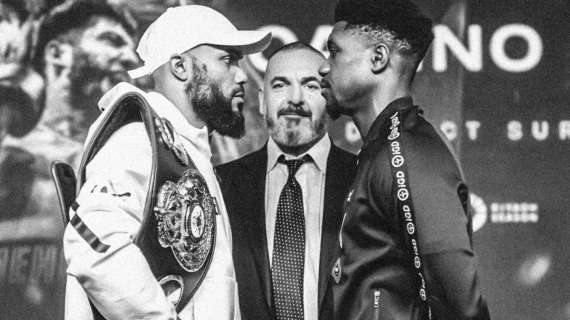
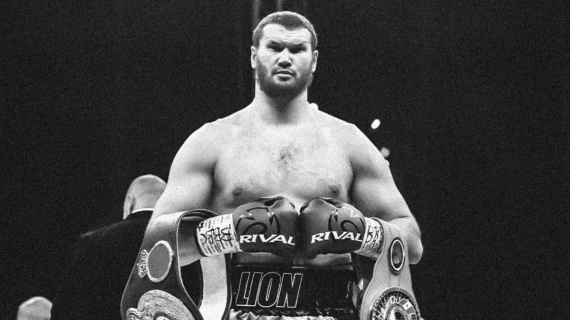
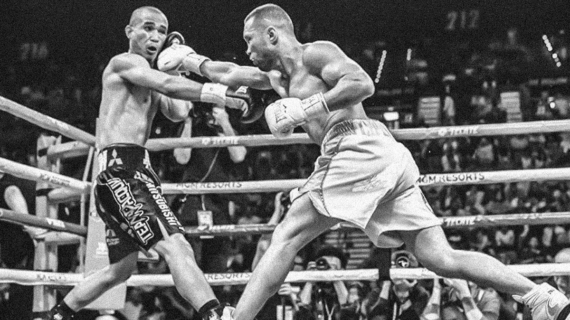
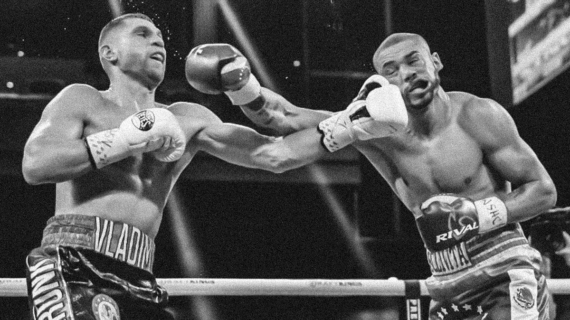
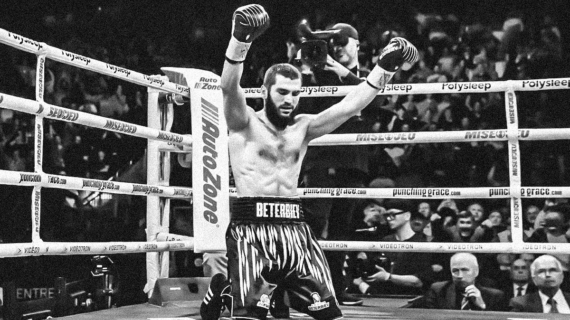
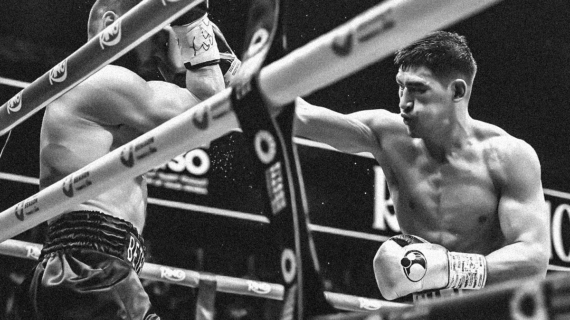
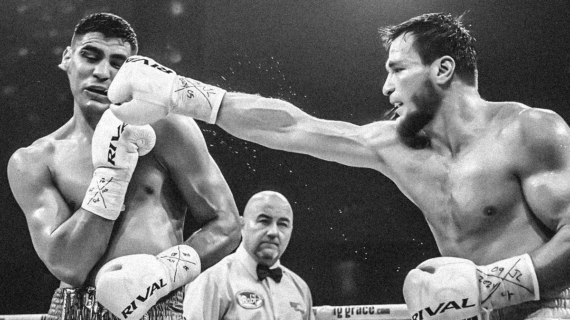
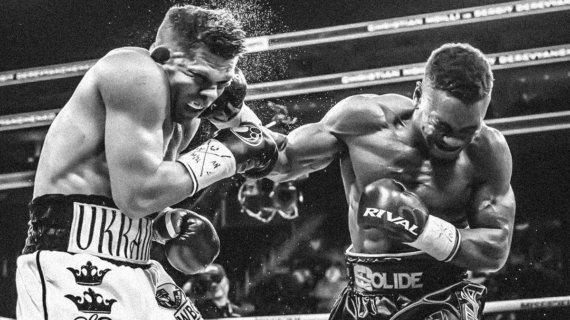
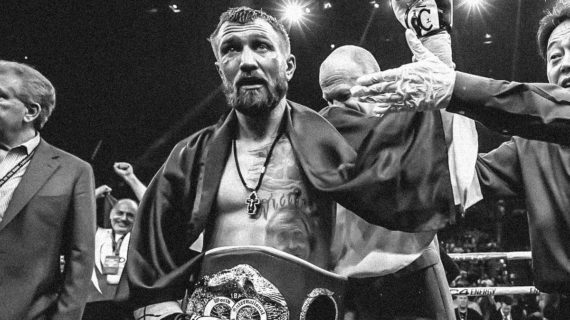
Photo: Bad Left Hook – Dzmitry Bivol vs Artur Beterbiev
For a coach, understanding these schools is not about classifying boxers by nationality or freezing identities. Rather, it helps to better read an opponent, anticipate the possible dynamics of a fight, and adjust a game plan in real time.
Based on these observations, I’ve grouped these approaches into four major schools of boxing. This classification is, of course, not perfect, but it can help structure one’s thinking.
The European school (often associated with the Soviet model)
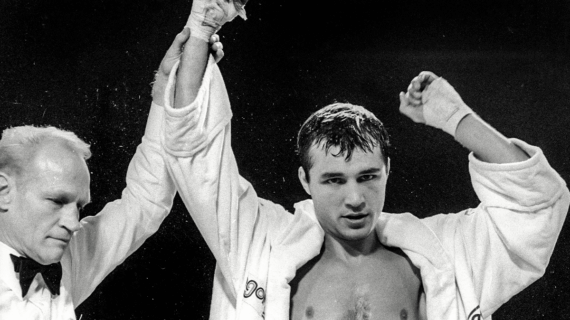
This approach is often associated with boxers such as Dzmitry Bivol, Vasyl Lomachenko, or Oleksandr Usyk.
This school is built on an extremely structured technical organization. The boxer typically adopts a high, balanced stance, with a well-aligned spine and rhythmic footwork. Movement is often characterized by the famous “pendulum step,” which allows for fluid distance management while maintaining the ability to attack or exit quickly.
The jab plays a central role in this approach. It is not merely an opening punch—it becomes a true system for controlling the fight. It is used to measure distance, slow the opponent, impose rhythm, and organize offense.
The overall logic is one of control. The boxer aims to dominate at long range, accumulate clean scoring shots, and maintain a disciplined technical structure.
When training a boxer within this framework, the work relies heavily on repetition and precision. The jab must become a dominant, almost ever-present weapon. Footwork must remain disciplined and consistent, and combinations should stay simple but extremely clean. The goal is to develop a boxer capable of managing the fight as a system, rather than reacting emotionally during exchanges.
When I face a boxer who fits this school, my attention quickly focuses on two elements: the consistency of their footwork rhythm and the quality of their jab.
Very often, the strategic key is to take away the jab. If you can neutralize the lead hand, you remove a large part of the boxer’s distance-management system. Without that tool, their structure becomes more vulnerable.
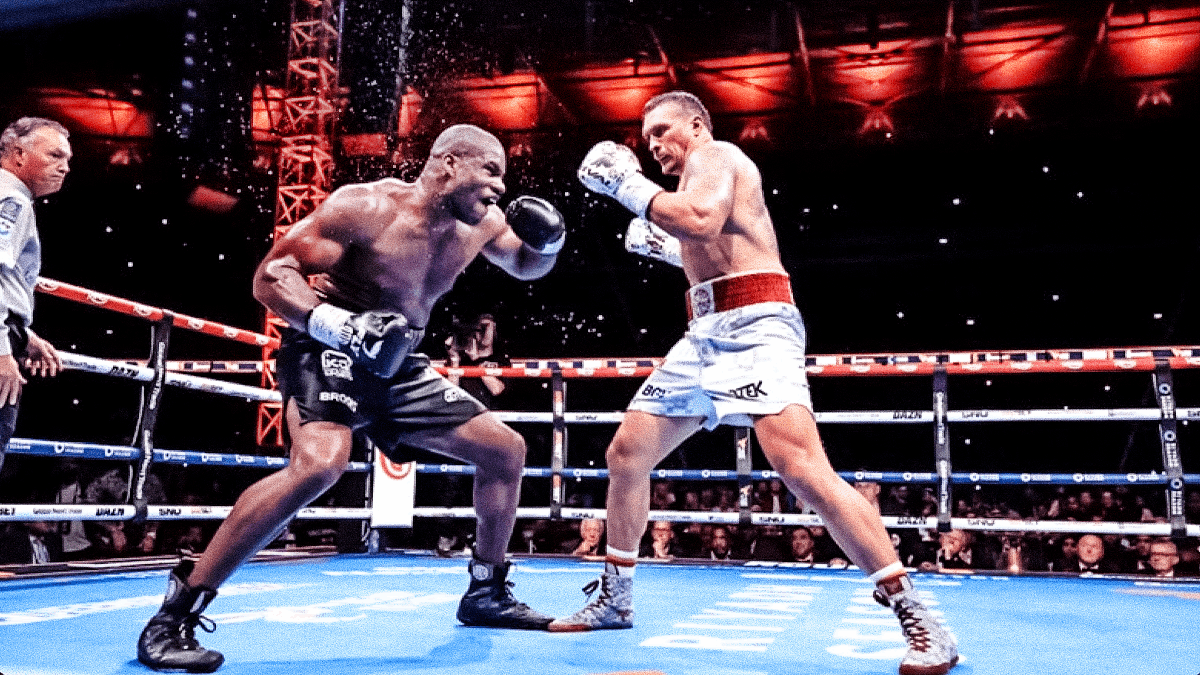
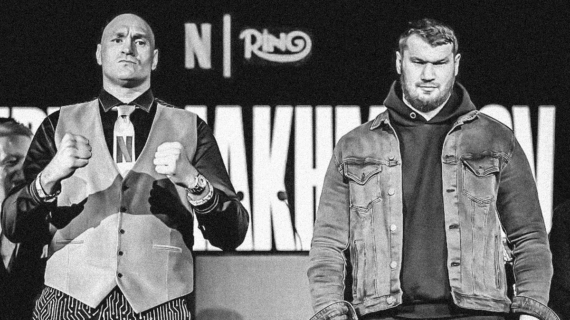
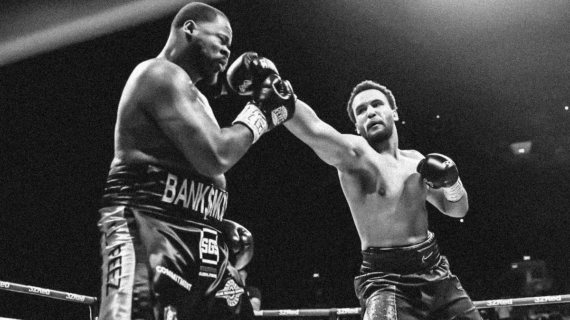
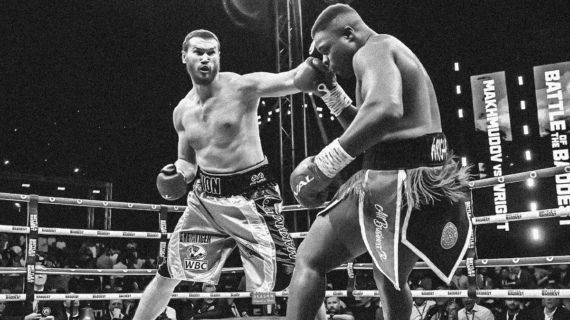
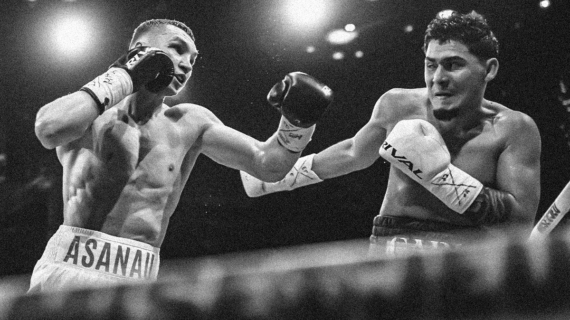
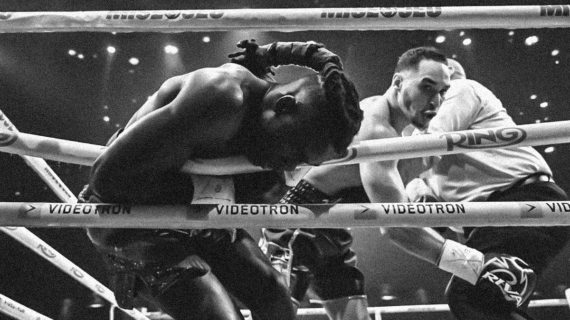
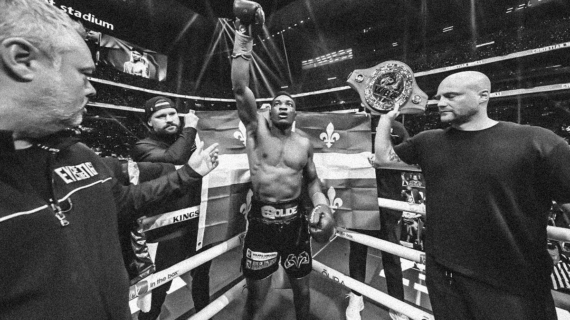
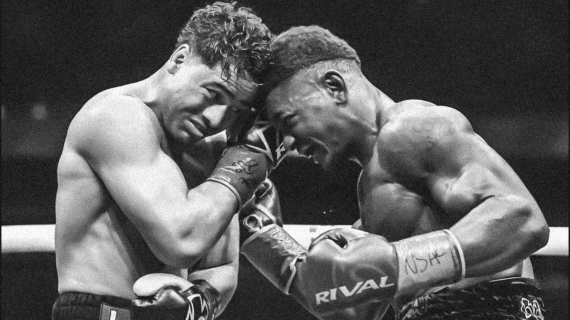
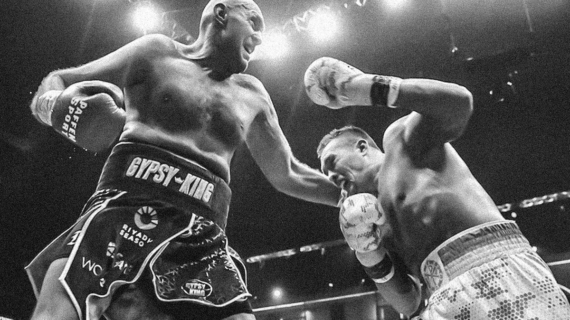
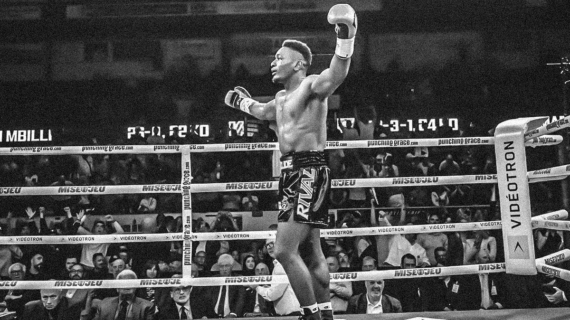
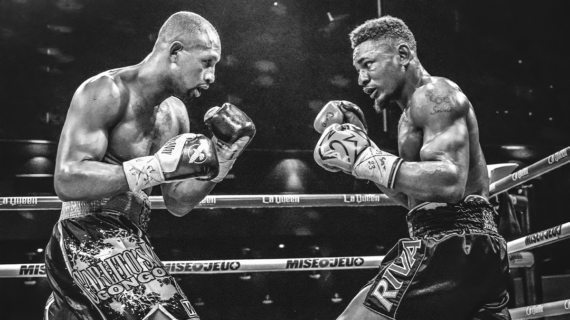
Photo: IG – Daniel Dubois vs Oleksandr Usyk

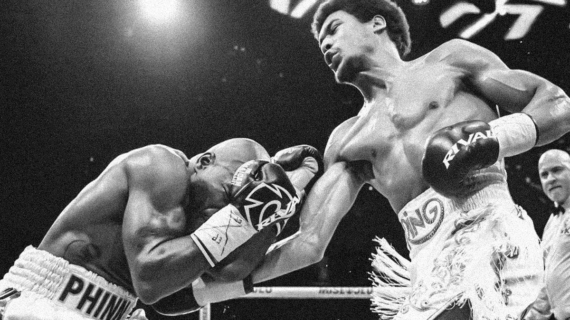
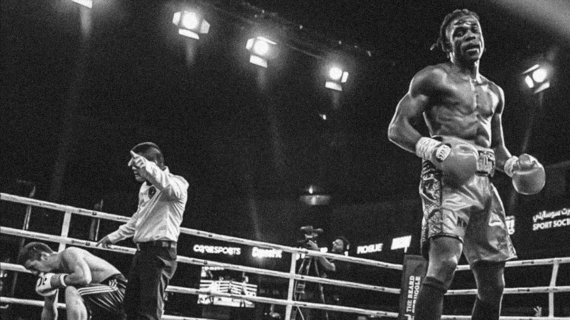
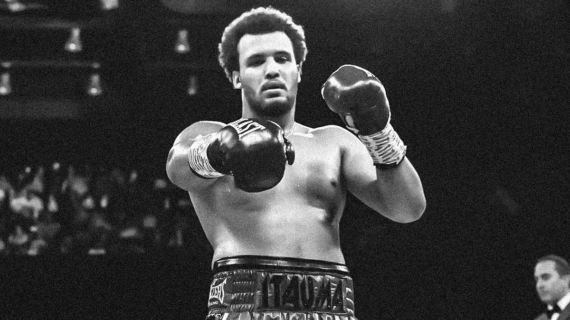
Photo: Yahoo Sports – Floyd Mayweather Jr vs Manny Pacquiao
When facing this type of boxer, several indicators become important in the corner. In particular, you monitor the success rate of counters, the boxer’s level of frustration, and any drop in offensive volume.
Against this style, isolated attacks are often a mistake—they offer exactly what a counterpuncher is looking for. It becomes preferable to double up attacks, vary levels between head and body, and maintain a steady enough volume to win rounds.
The strategic objective is to reduce the counterpuncher’s reading space and force them to produce more offense, which is often less comfortable for them.
The Mexican school
When discussing this school, names like Julio César Chávez and Saúl “Canelo” Álvarez often come to mind.
This tradition is built on constant, methodical pressure. The guard is generally compact, and forward movement in the ring is progressive and calculated.
Contrary to some common misconceptions, this pressure is not disorganized. It is structured and aimed at gradually reducing the opponent’s space.
Body work plays a central role in this approach. It’s not just about adding a few punches to the body—these attacks alter the opponent’s posture, slow their movement, and reduce their ability to react.
The overall strategy often relies on progressive wear and tear.
To develop this style, training must emphasize the ability to cut off the ring, apply intelligent pressure, and remain resilient in exchanges. The boxer must learn to impose their presence and move forward with discipline rather than rushing.
When facing a boxer from this school, pivots become extremely important.
Retreating in a straight line is often a mistake, as it makes it easier for them to apply pressure.
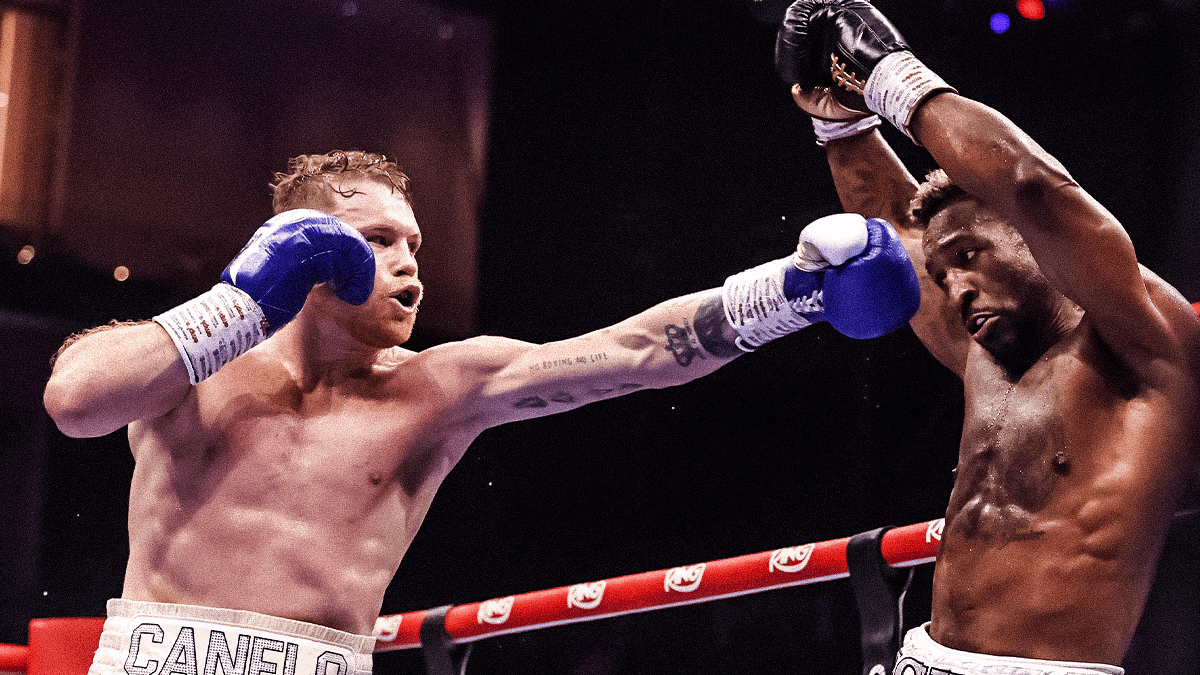
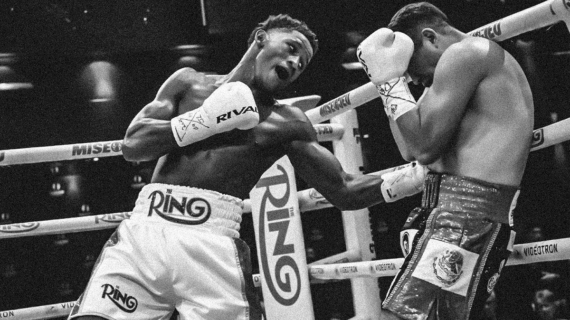
Photo: El Paso Times – Canelo Alvarez vs William Scull
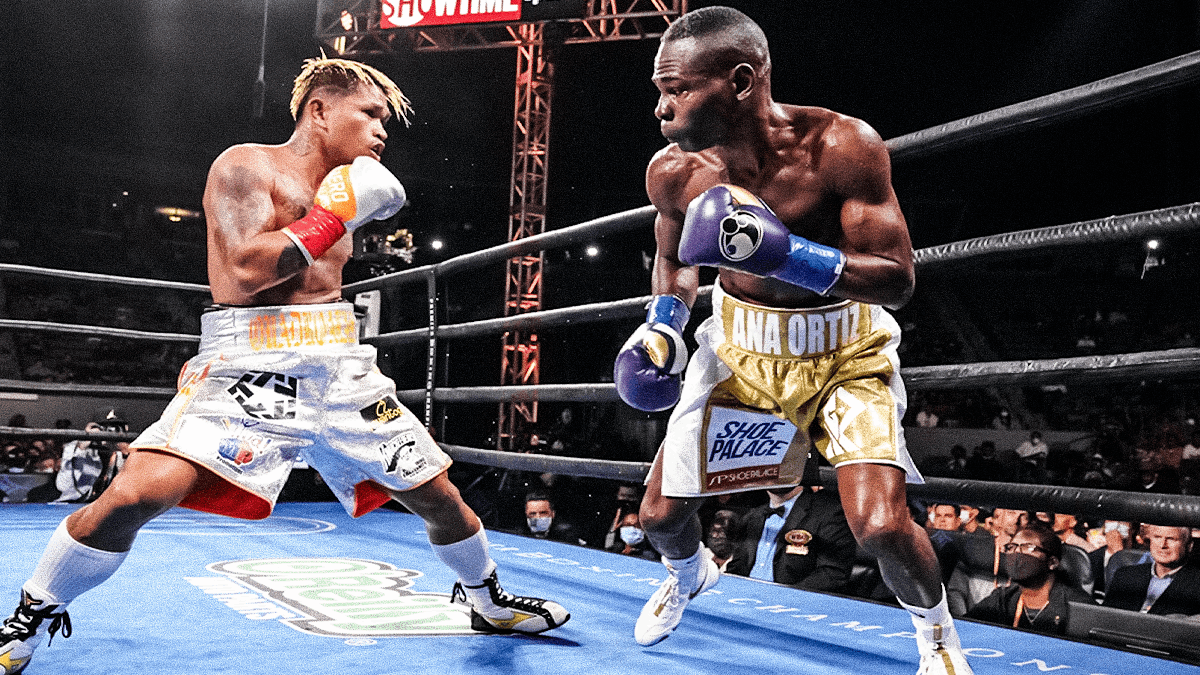
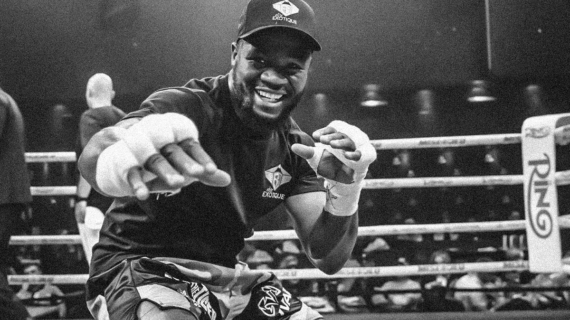
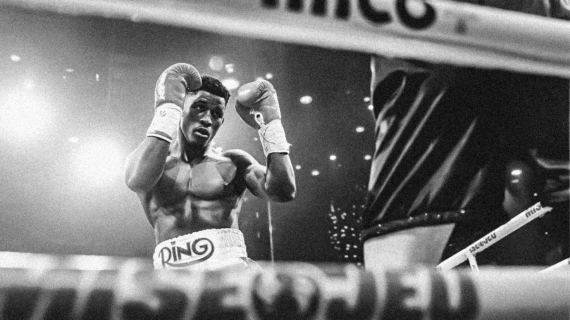
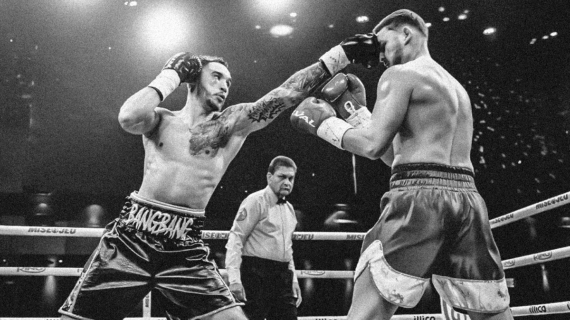
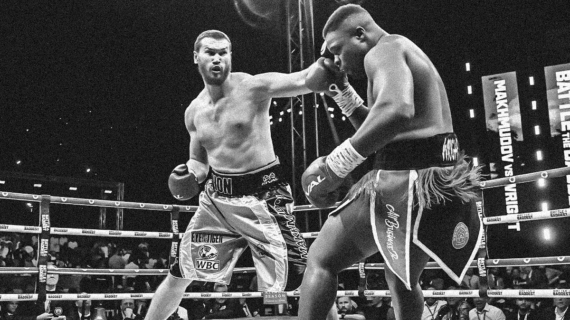
Photo: Max Boxing – John Riel Casimero vs Guillermo Rigondeaux
Body work can also play an important role in slowing movement and reducing mobility.
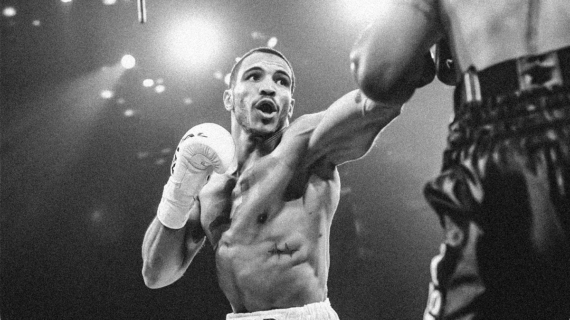
The strategic objective then becomes to take away the Cuban boxer’s control of tempo.
Modern hybridization: the real challenge for the coach
Today, very few boxers fit perfectly into a single school.
Oleksandr Usyk combines mobility inherited from the Soviet model with a very modern capacity for adaptation.
Saúl “Canelo” Álvarez blends Mexican pressure with certain North American defensive principles.
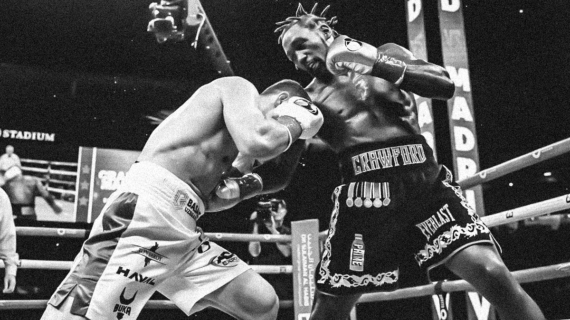
Terence Crawford alternates between American-style counterpunching and rhythm variations that sometimes resemble the Cuban tradition.
The modern coach, therefore, does not choose a school the way one would choose a banner.
Instead, they must observe the boxer in front of them and understand their biomechanical profile, cognitive capacity, tolerance for volume, and emotional management. It is from these parameters that a coherent system can be built.
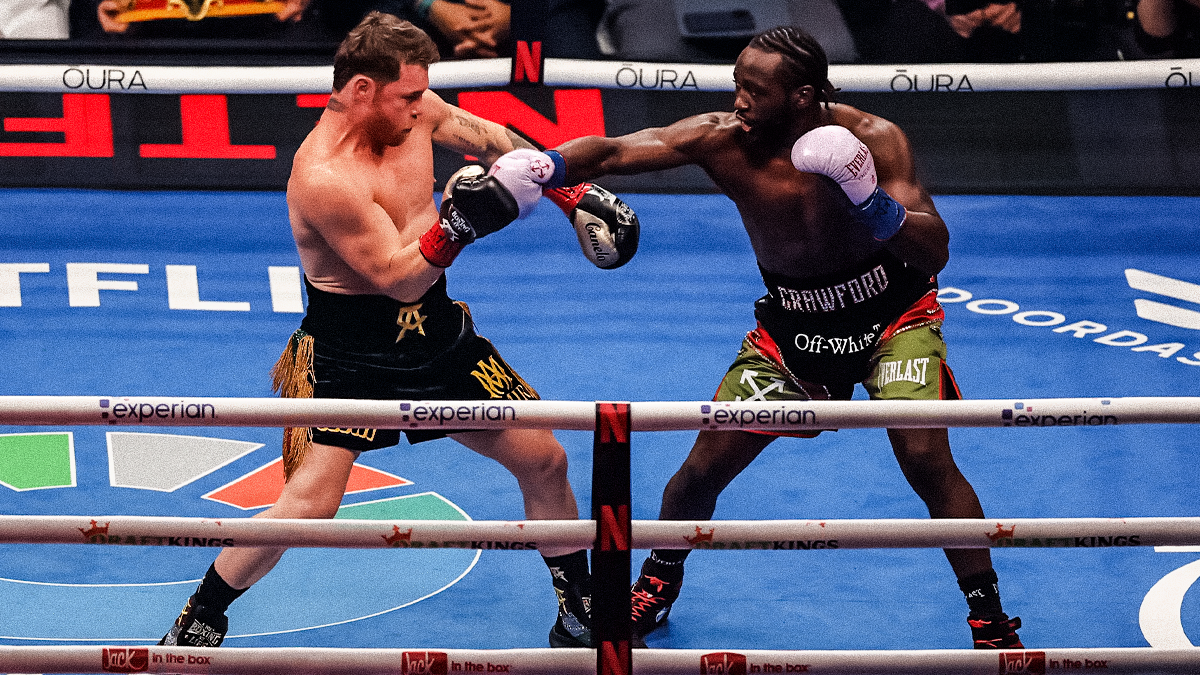
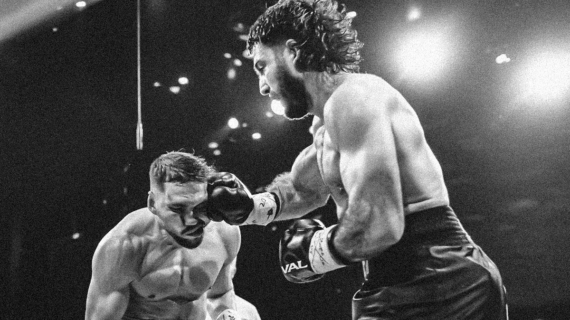
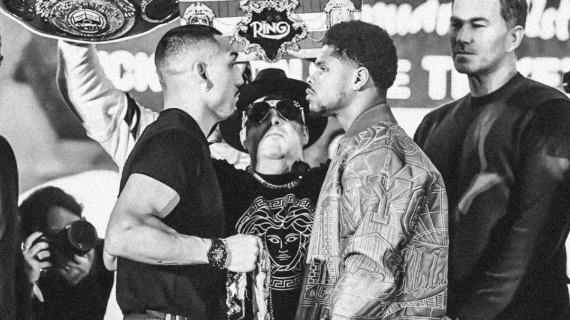
Photo: Bad Left Hook – Canelo Alvarez vs Terence Crawford
Conclusion: thinking in systems
A fight is not a clash of nationalities.
It is a clash of structures.
Understanding the different schools of boxing makes it possible to anticipate certain dynamics, adjust corner advice, and develop boxers who are capable of adapting.
A complete coach does not just master one school.
They understand the mechanics of each and know when and how to neutralize them.
And once again, this text represents just one way—among many—of organizing the complexity of the ring.
As for me, I continue to learn, observe, and try to better understand this sport, which constantly reminds us that there is always something new to discover.