We need to stop beating around the bush.
Zuffa Boxing is not coming to “save” boxing.
Zuffa Boxing is coming to impose a model.
An efficient, structured model… but one that, historically, has never been built with fighters as the first priority.
A compelling narrative… but a self-serving one
“Boxing is broken.”
That’s the mantra. THE line that Dana White keeps repeating.
And while I don’t fully agree with that statement, there is some truth to it. Too many titles. Too many failed negotiations. Too many fights that never happen.
But this diagnosis also serves a very clear purpose for Zuffa and its team:
to justify centralizing power.
Because fixing chaos is one thing.
Replacing it with near-total control is another.
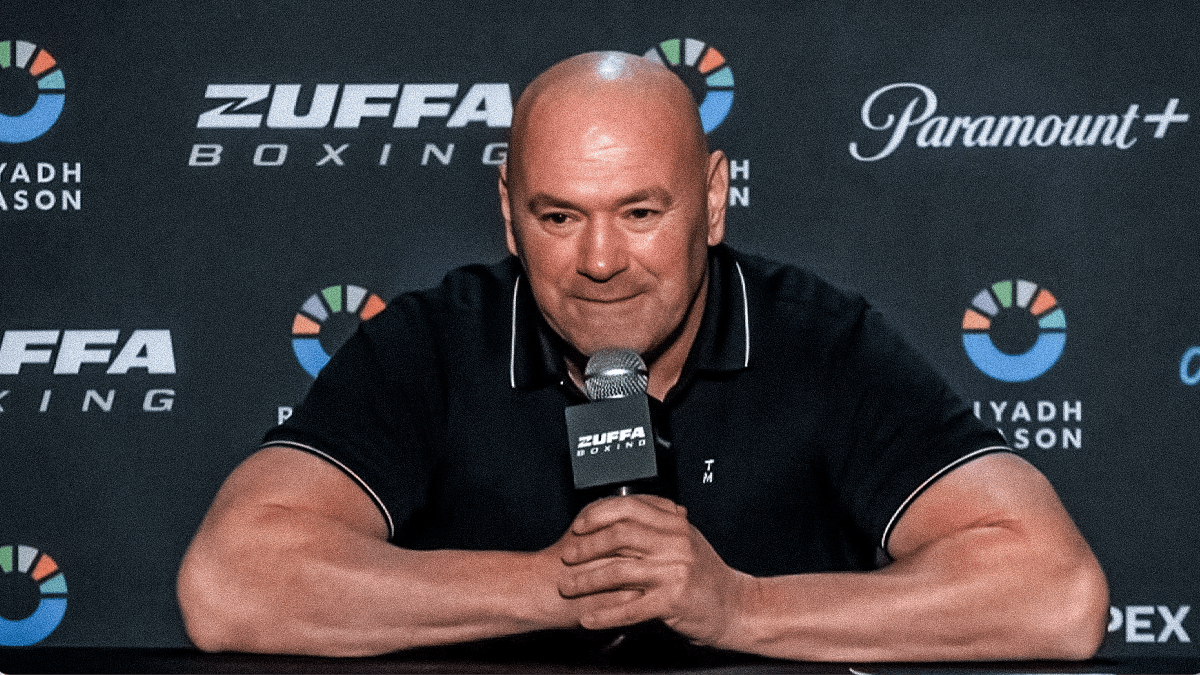
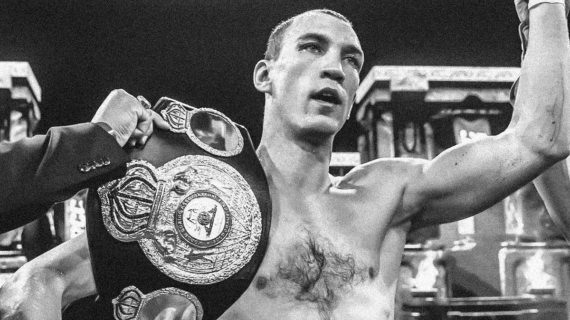
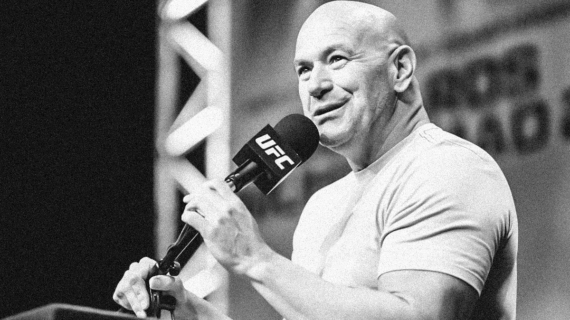
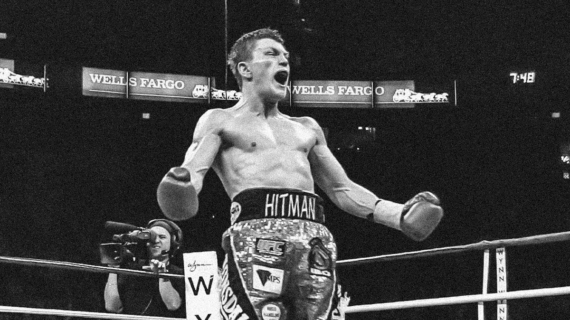
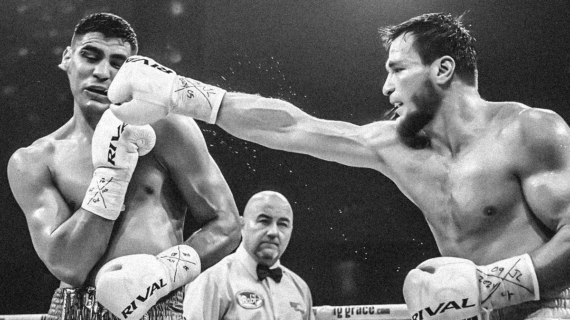
Photo: World Boxing News – Dana White
Numbers don’t lie
You can’t talk about the Zuffa model without talking about money.
In 2025, the UFC generated around $1.5 billion in revenue.
And yet, the share paid to fighters?
Between 16% and 18%.
Not an impression.
Not an opinion.
A fact.
Meanwhile, in major North American leagues (i.e., NBA, NFL, NHL, MLB), athletes typically receive between 48% and 54% of revenues.
The gap is massive.
And it’s structural.
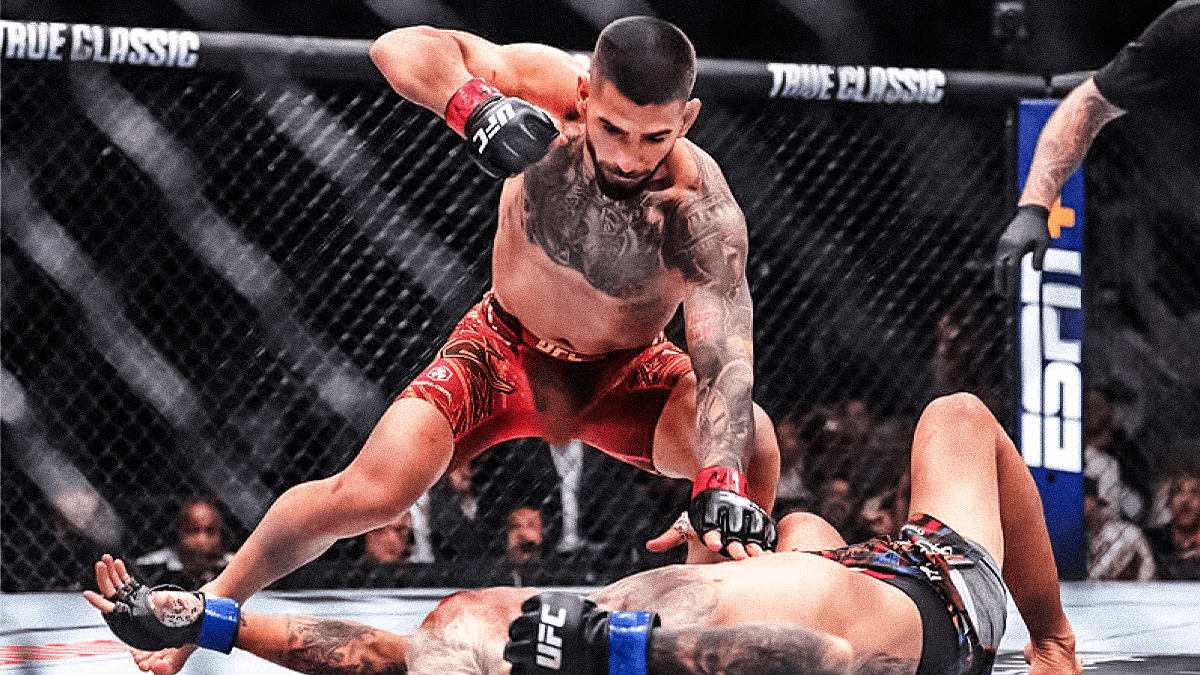
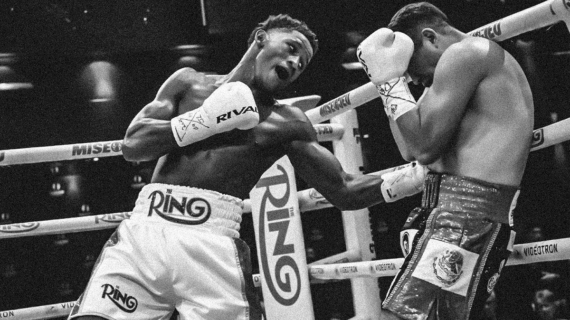
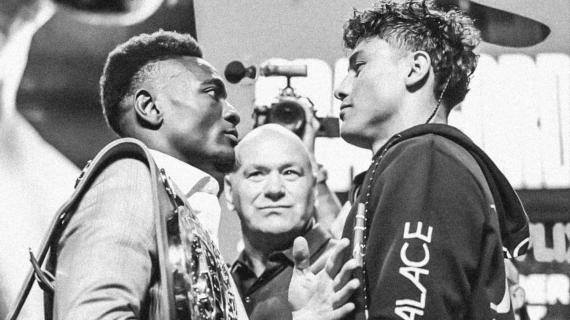
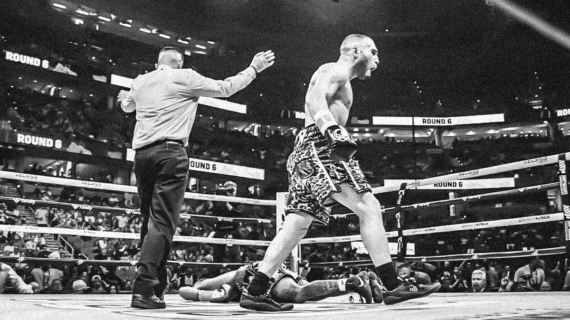
Photo: UFC.com – Ilia Topuria vs Charles Oliveira
A locked system
The UFC model is built on:
exclusive contracts
performance-based pay (“show/win”)
limited access to recurring revenue
and pay-per-view shares reserved for only a tiny elite
In concrete terms, most fighters have neither a stable guaranteed salary nor real negotiating leverage.
And when more than 1,100 fighters who competed between 2010 and 2017 file an antitrust lawsuit against the organization (a case that resulted in $375 million in compensation), that’s not insignificant.
It’s a signal.
The uncomfortable contrast
Now, let’s put this into perspective.
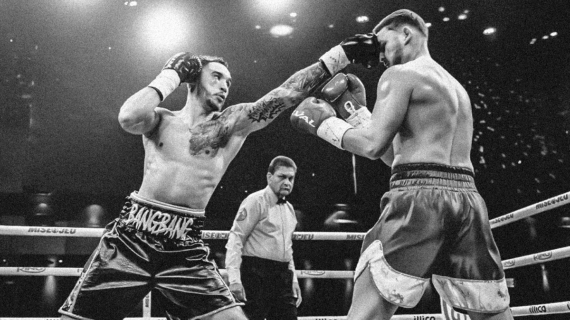
If I’m a UFC champion, and I see a boxer like Conor Benn — who doesn’t even hold a national title — signing a deal worth more than what several champions in the organization earn…
I’m not just surprised.
I’m outraged.
Because it exposes a brutal reality:
the UFC model maximizes the machine… not necessarily the athletes.
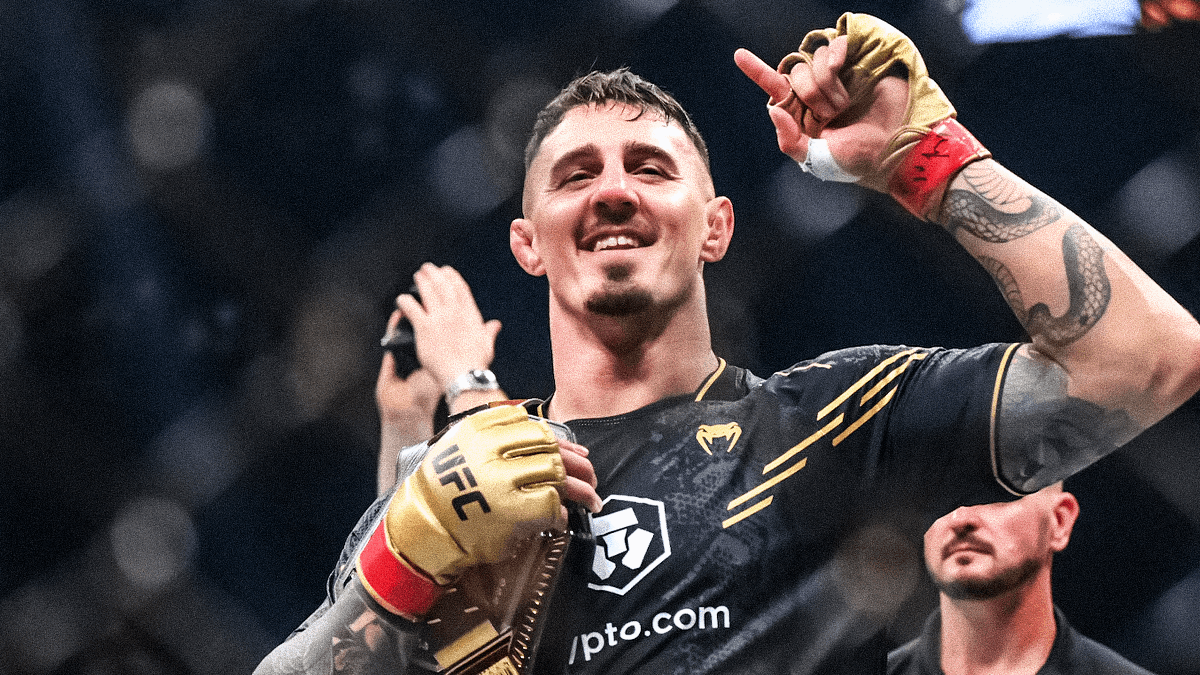
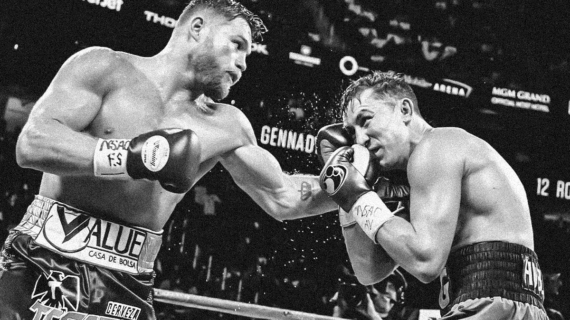
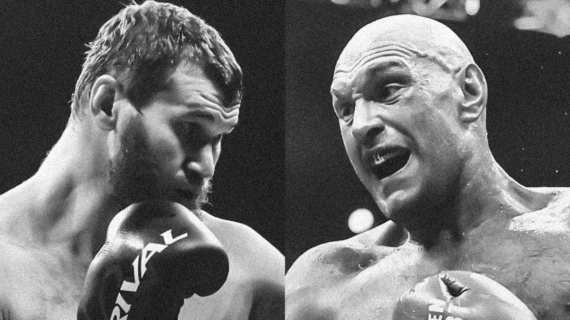
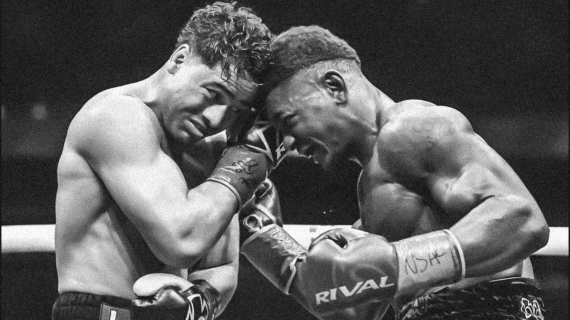
Photo: Al Jazzera – Tom Aspinall

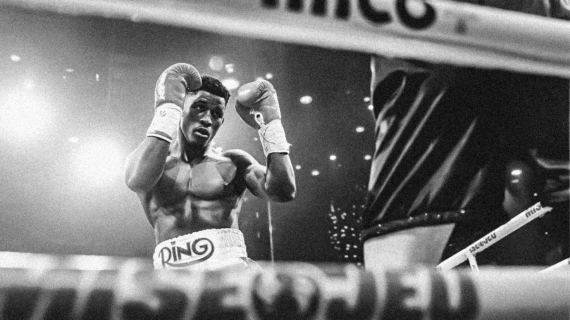
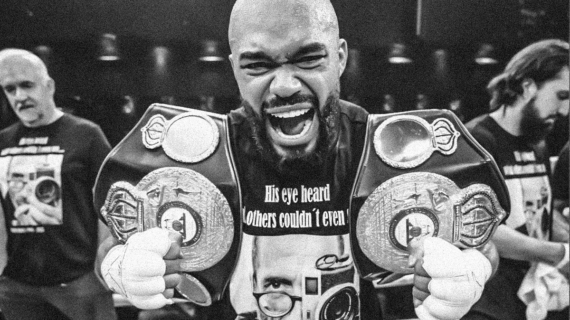
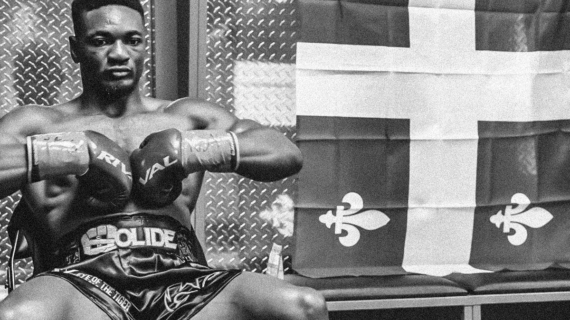
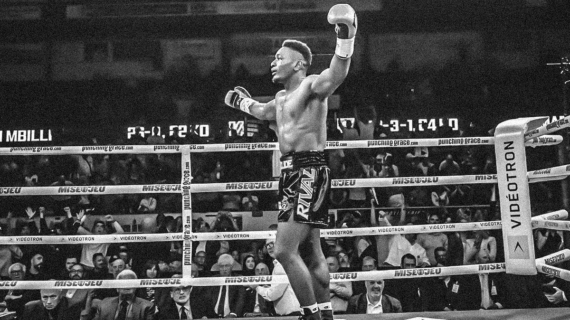
Photo: Facebook – Jai Tapu Opetaia
A clear call to the industry
Promoters.
Sanctioning bodies.
Broadcasters.
The era of everyone for themselves is over.
As the French geneticist and humanist Albert Jacquard once said:
“From now on, the most important form of solidarity is that of all the inhabitants of the Earth.”
In boxing, that means one thing:
collaborate intelligently… or be replaced.
Because if you don’t create balance together, someone else will impose it for you.
The paradox: a hidden opportunity?
And yet, there’s an irony.
A centralized system like the one Zuffa proposes could, in theory, create the conditions for something boxing has never fully managed to build:
a fighters’ union.
A real one.
With:
financial transparency
revenue sharing
collective protections
But let’s be realistic…
That level of transparency and sharing runs directly against the natural interests of a dominant structure.
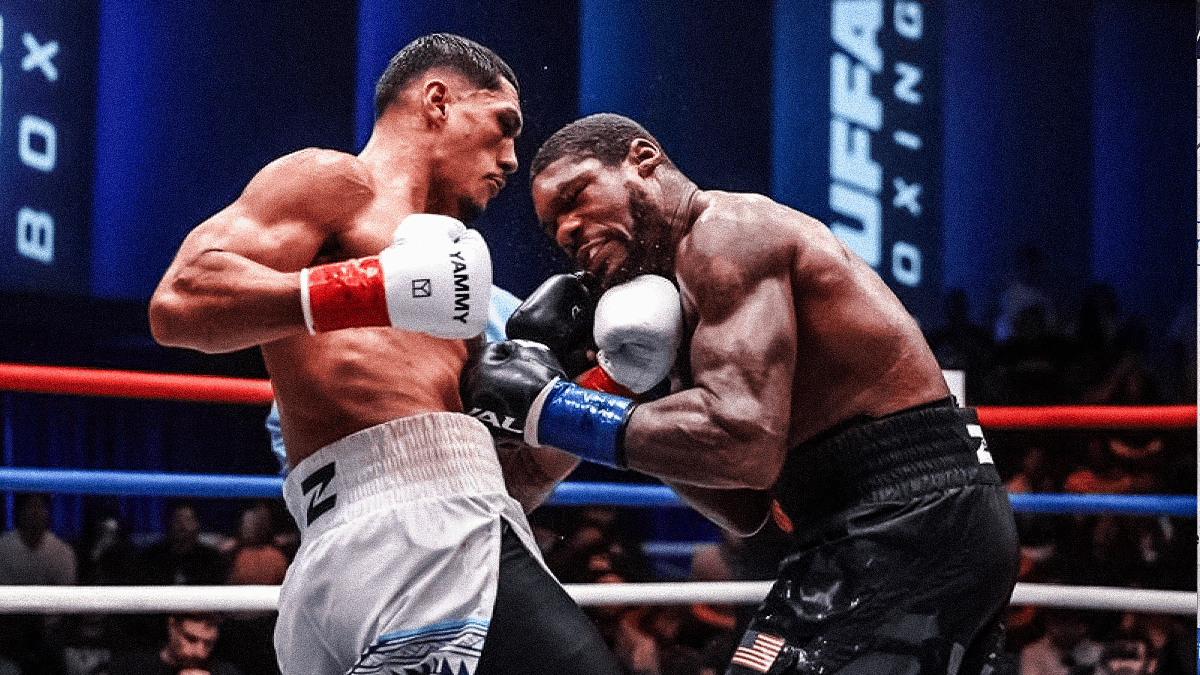
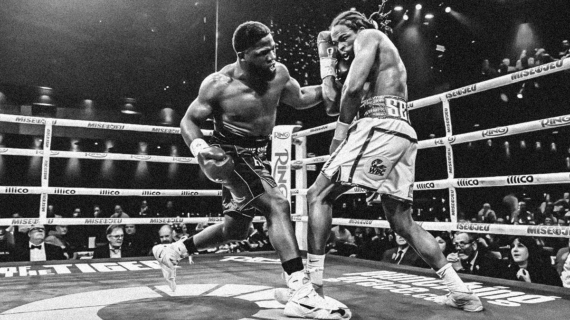
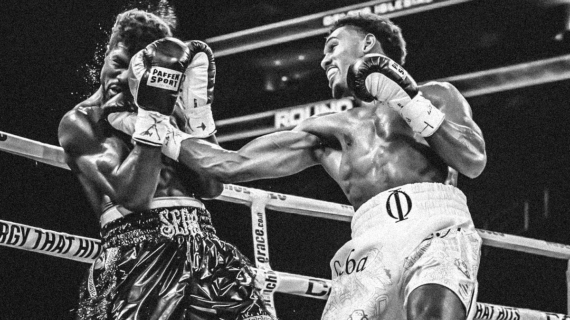
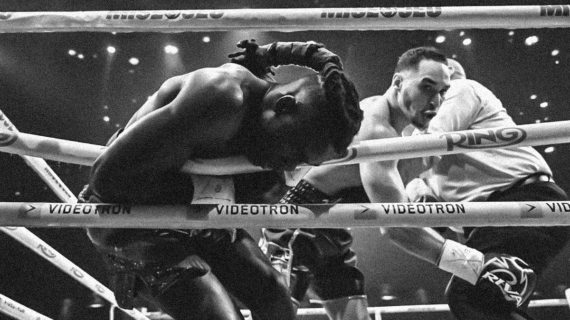
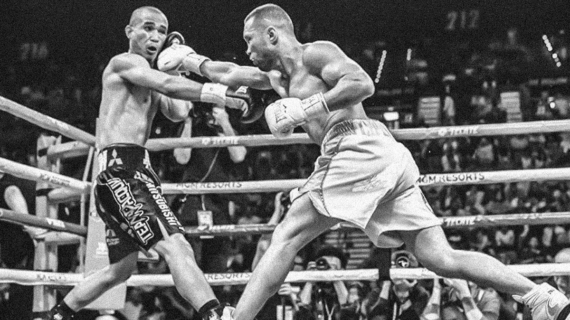
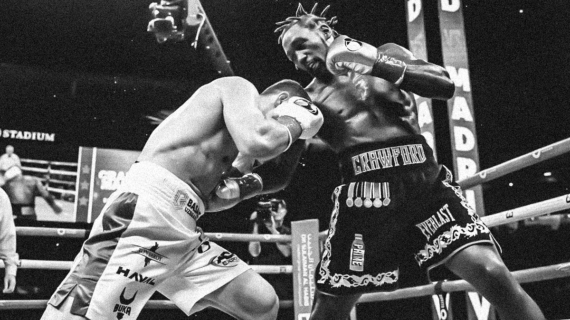
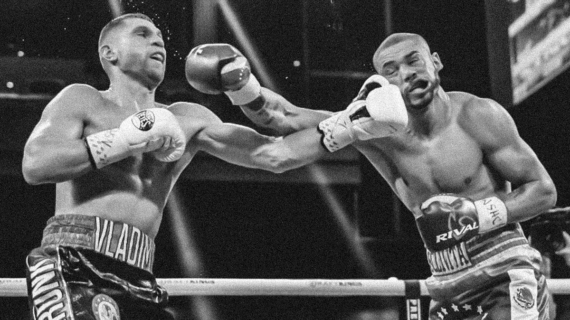
Photo: Fight Freaks Unite – Brandon Glanton vs Jai Opetaia
Conclusion: vigilance, not rejection
Zuffa Boxing is not the devil.
But it’s certainly not a savior either.
It’s a powerful player, with a clear vision…
and a track record that calls for caution.
Boxing needs to evolve.
It needs to modernize.
It needs to better serve its fans.
But it must never lose sight of one essential truth: without the fighters, there is nothing.
And a system that doesn’t give them their fair share back…
is not a solution.
It’s simply a better organized problem.