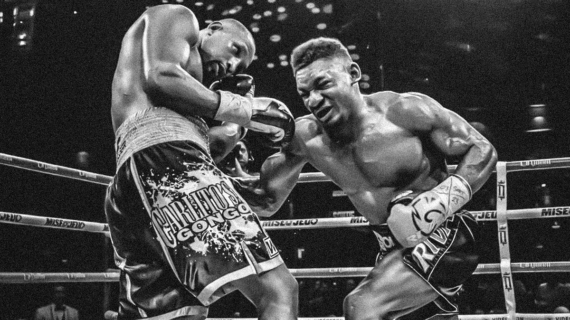
I’ve been a boxing coach for a few years now. Originally, however, I come from the world of education. I even worked as a high school physical education teacher for a period of time.
So my path wasn’t built only inside a boxing gym, but also in classrooms, where I tried, in my own way, to better understand how the body functions and adapts to training.
During my university studies, I chose to take as many elective courses as possible related to training and performance. Nothing extraordinary, just a desire to learn more. Exercise physiology, biomechanics, strength and conditioning, sports psychology… all tools that I hoped would help me become a better coach.
I don’t claim to have all the answers. But that foundation helped me develop a vision of training that goes beyond simply “working hard for the sake of working hard.” Because in boxing, everyone can work hard. Working in a structured way, with an approach based on principles, is something else entirely.
That’s precisely where physical preparation becomes interesting: yes, you work hard, but within a structure that allows you to concretely, and more quickly, develop the specific qualities a boxer needs.
For the writing of this text, I also spoke with Philippe Gougeon, MSc in kinesiology and strength coach for several professional boxers. He also recently completed training in nutrition, which further strengthens his expertise.
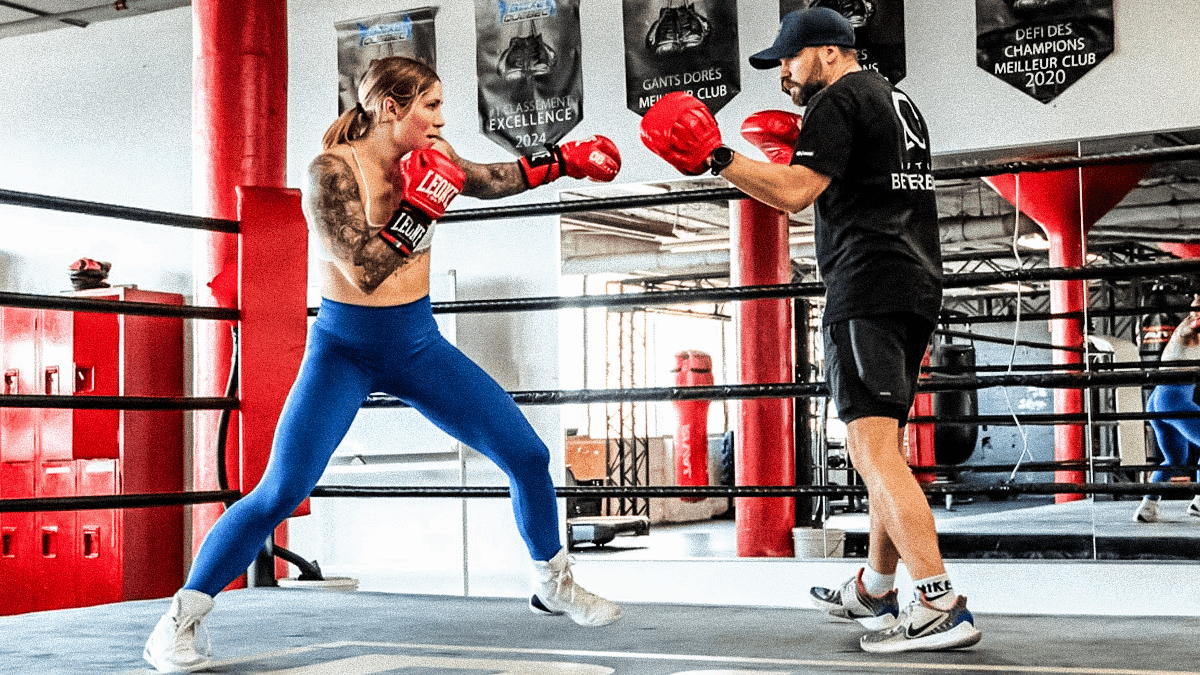
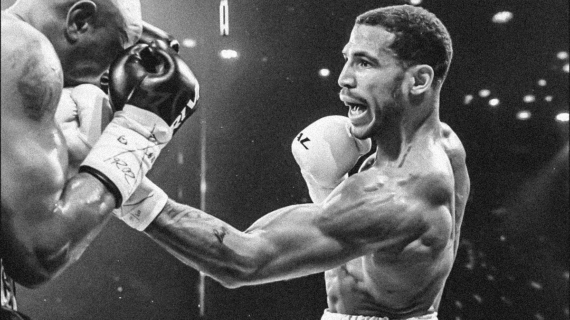
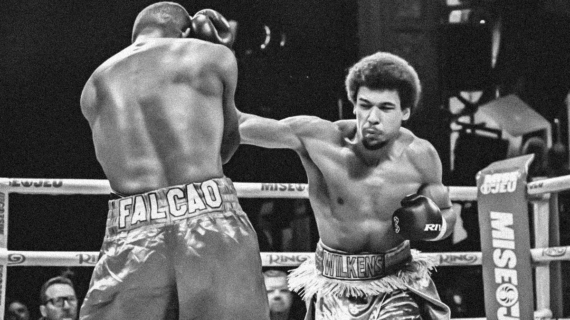
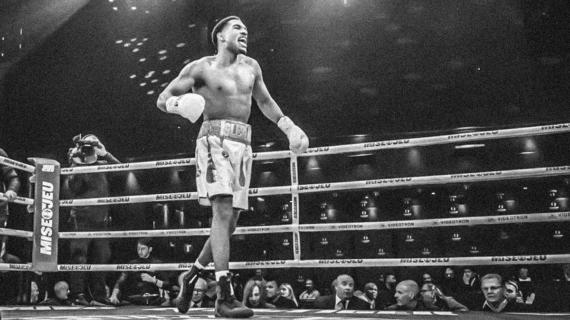
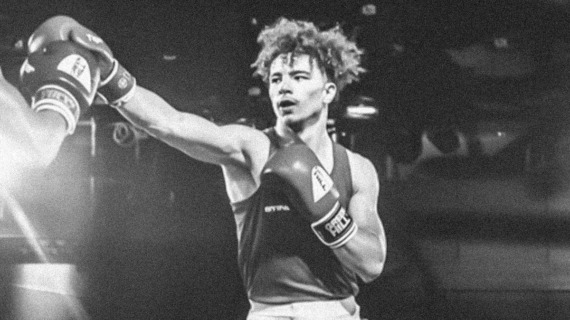
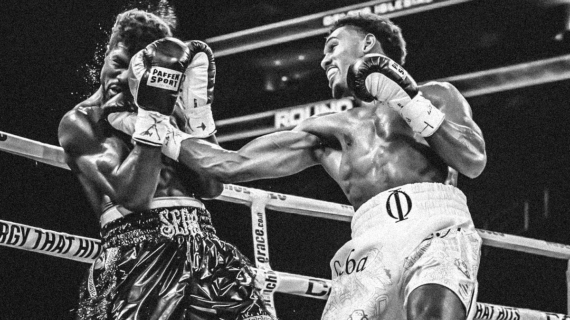
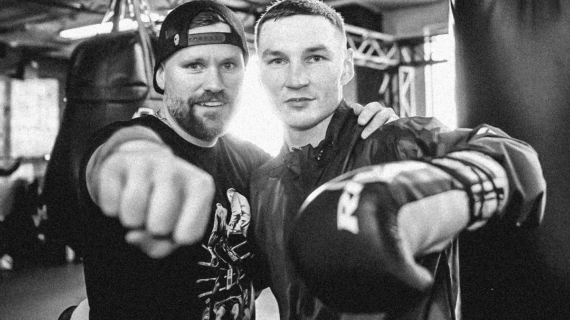
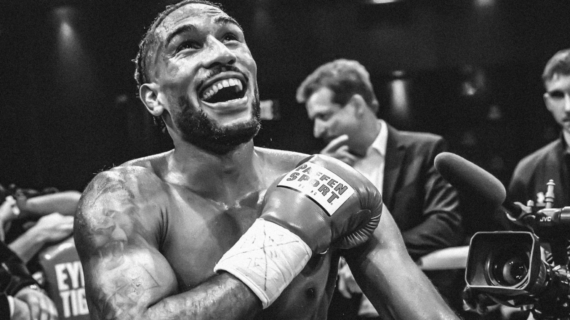
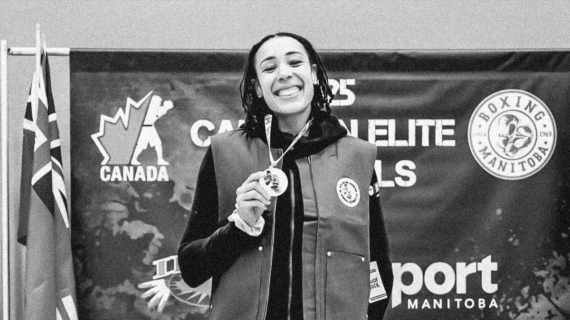
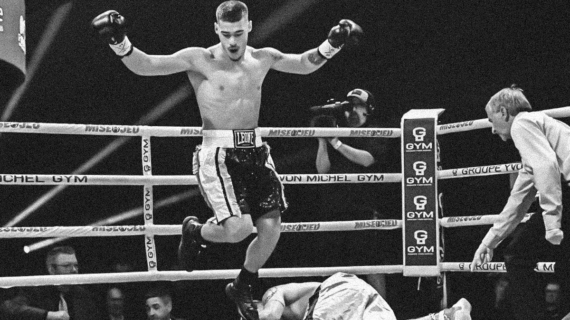
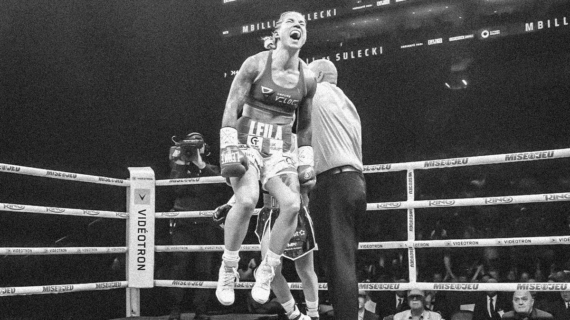
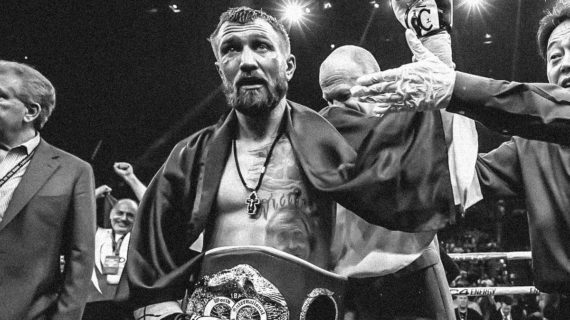
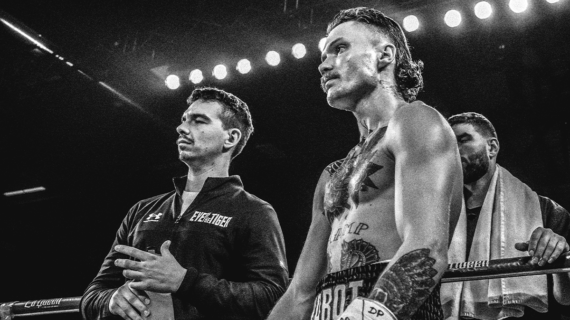
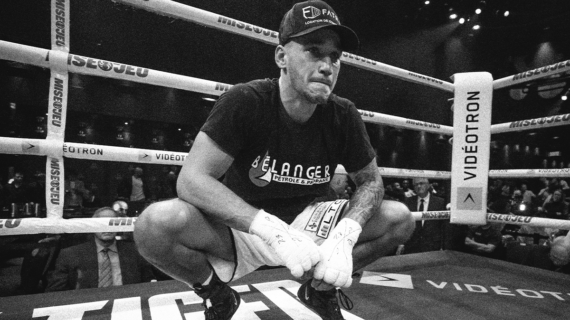
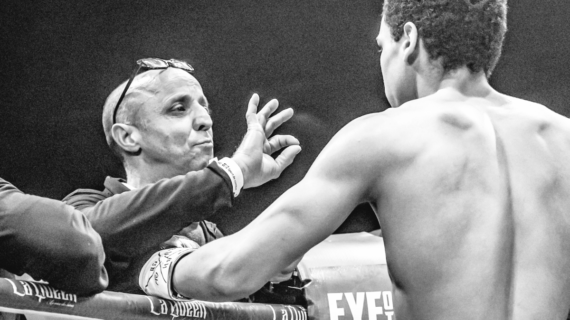
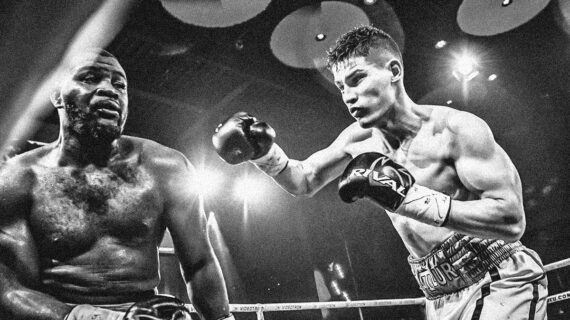
Photo: IG – Leila Beaudoin
Amateur vs Professional: The Same Sport, Different Demands
At first glance, it’s the same sport: two boxers, a ring, and gloves. Yet the physical demands differ significantly.
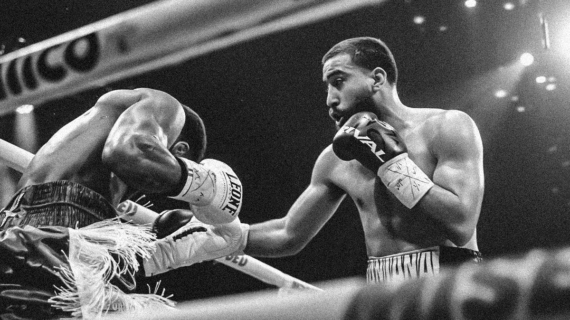
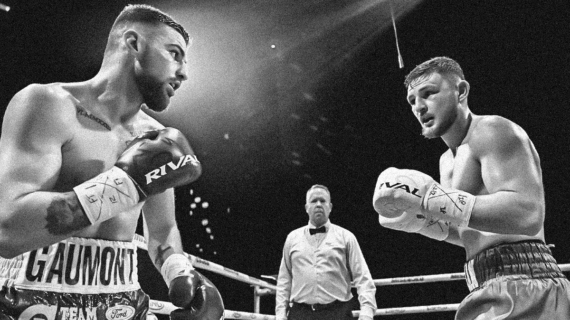
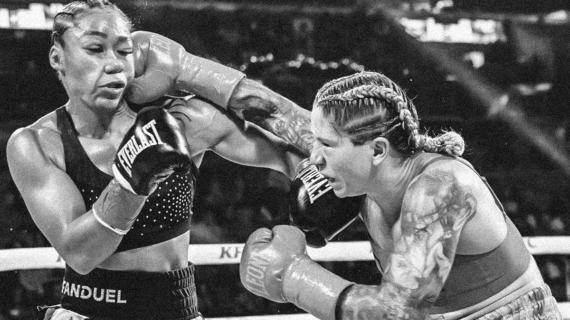
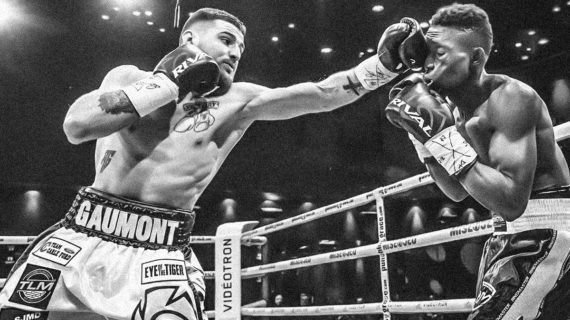
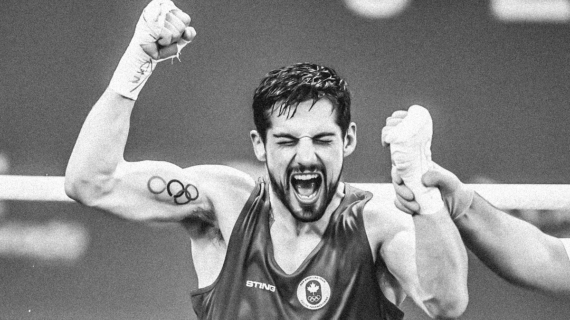
In amateur boxing, everything happens quickly. Fights are short, the pace is high, and every action weighs heavily on the result. Losing a round carries major consequences since there are usually only three. A boxer must therefore be able to produce explosive efforts repeatedly, with very little room to slow down. The intensity is immediate, almost without a feeling-out phase.
There’s also an important constraint: in tournaments, an athlete may have to fight several bouts in a short period of time, sometimes up to four in the same week at major competitions.
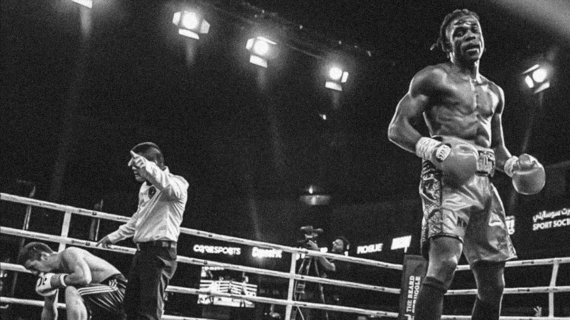
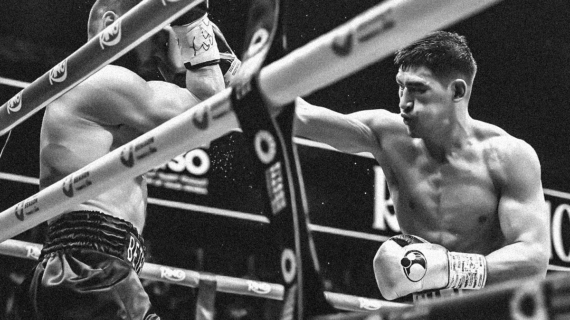
In professional boxing, the logic changes completely. Fights are longer, the pace fluctuates more, and fatigue becomes a determining factor as the rounds accumulate. It’s no longer only about intensity, but about durability.
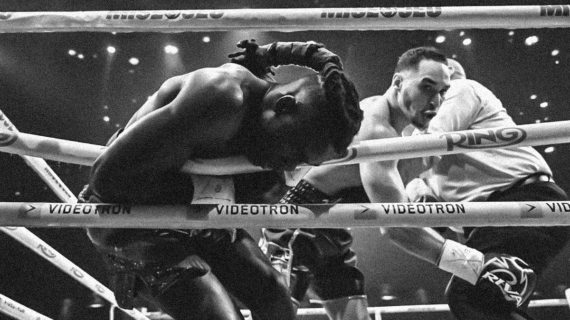
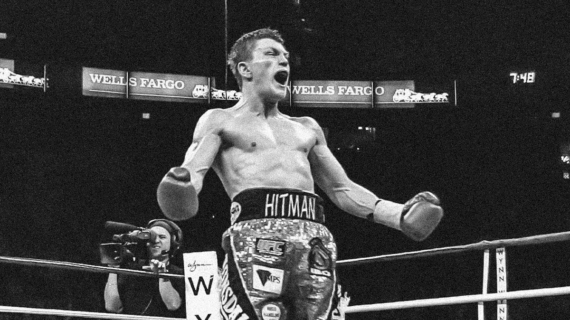
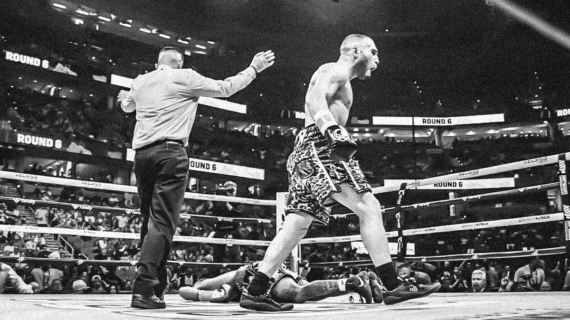
You have to manage your energy, maintain clarity, and keep producing effective actions despite fatigue. It often becomes a true war of attrition. How many times do we see a boxer dominate the early rounds, only to collapse late in the fight? David Lemieux’s first defeat to Marco Antonio Rubio is a striking example.
In both cases, cardio and power are essential, but not in the same proportions or in the same way.
As Philippe Gougeon explains:
“Amateur boxing favors the repetition of intense efforts, whereas professional boxing requires the ability to sustain performance over time.”
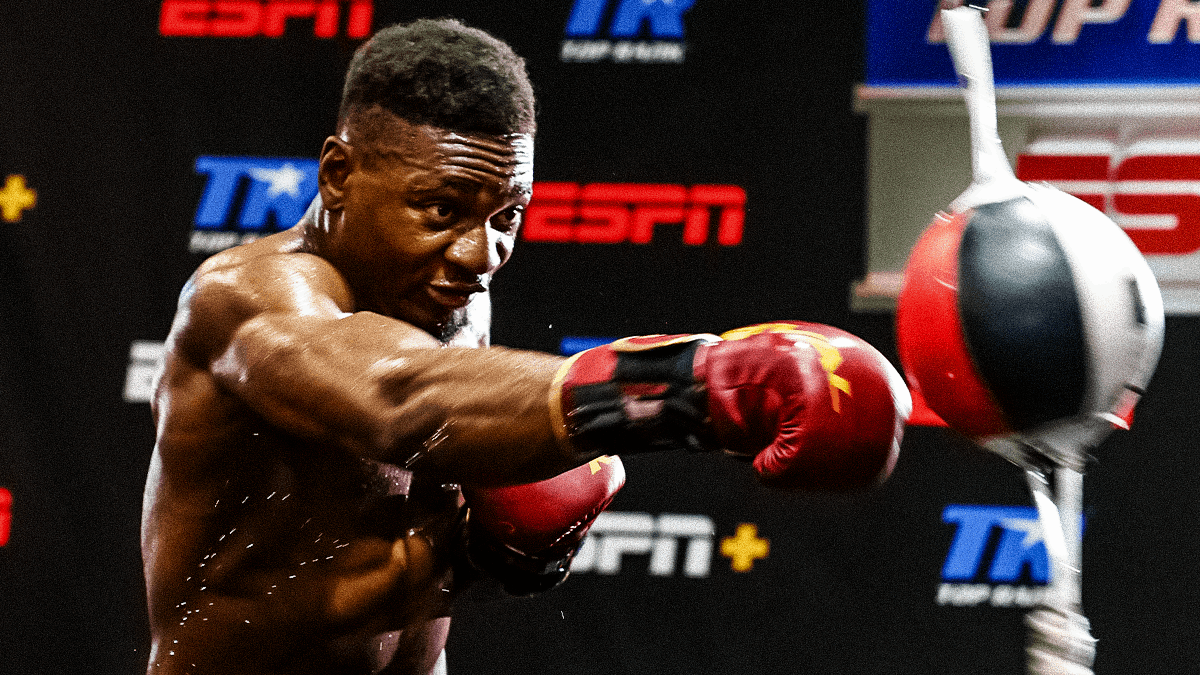
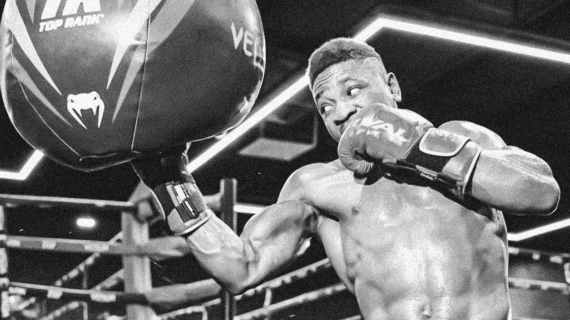
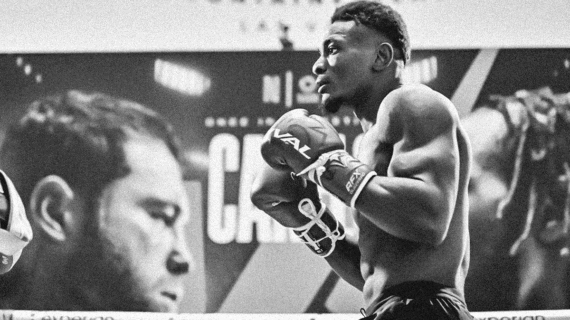
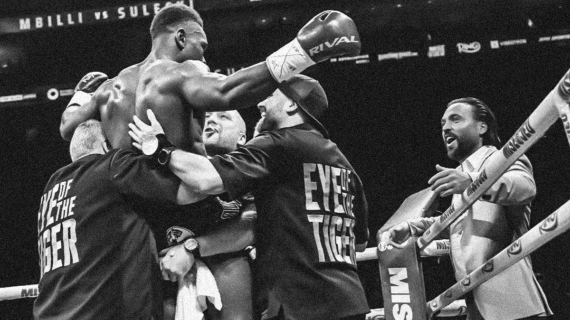
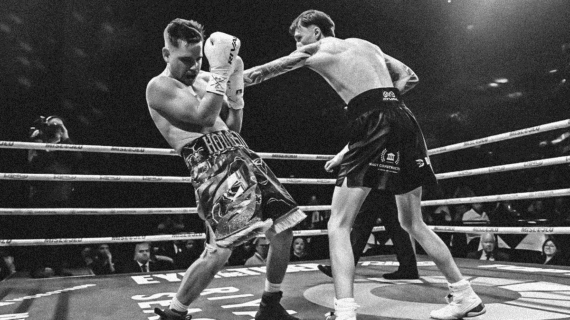
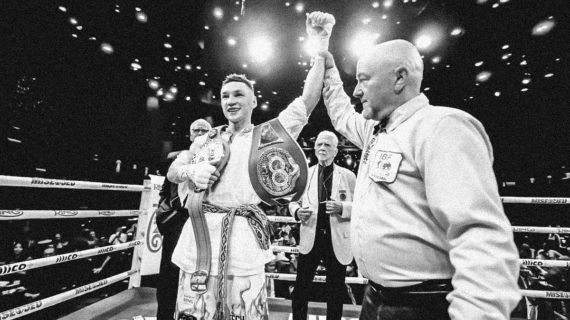
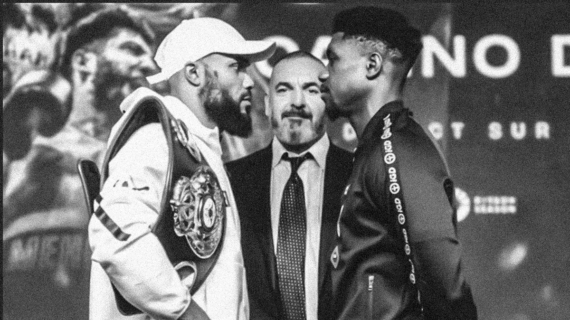
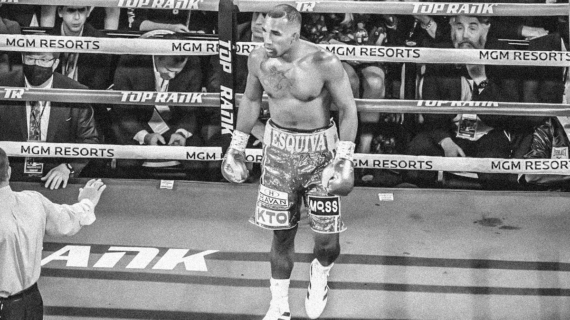
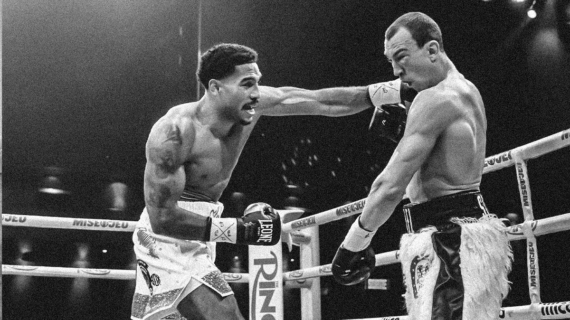
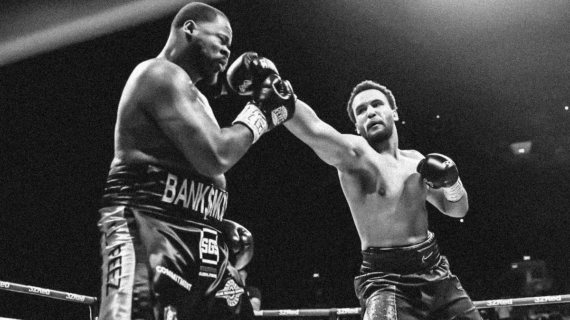
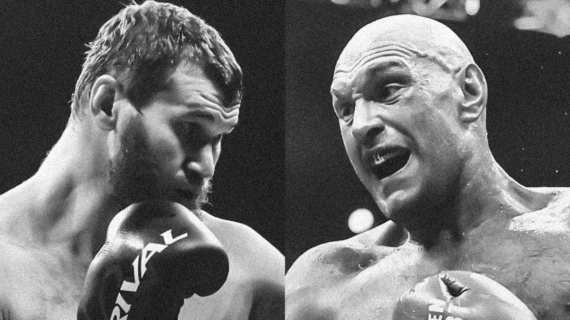
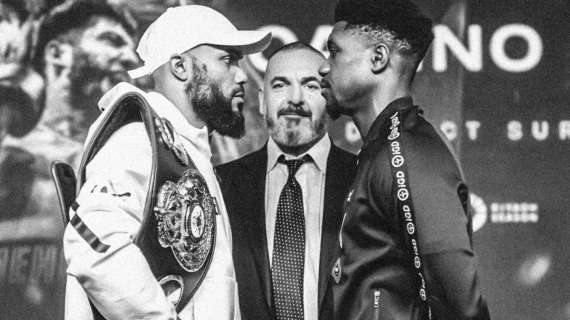
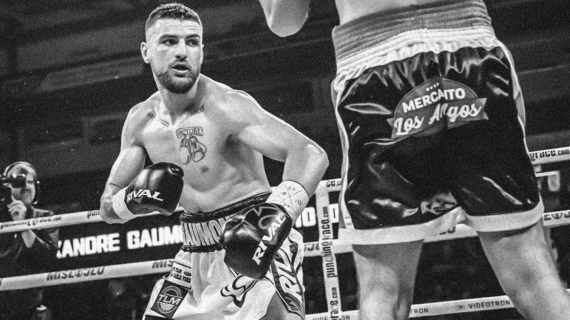
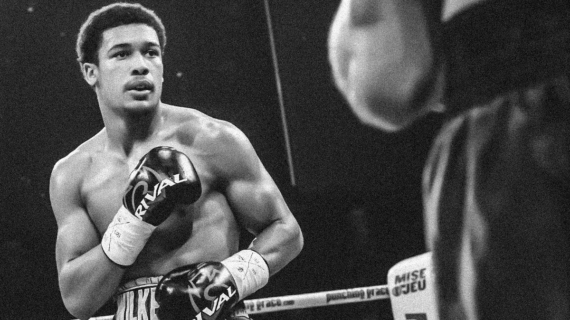
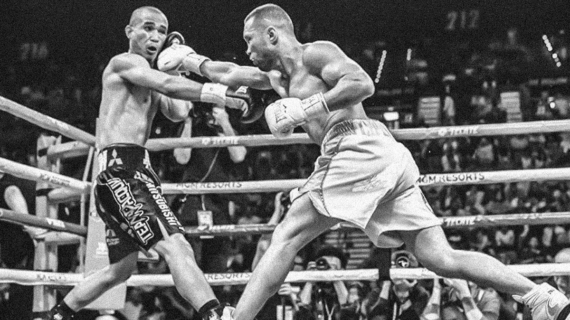
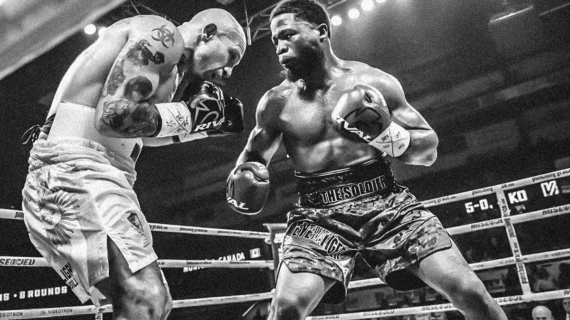
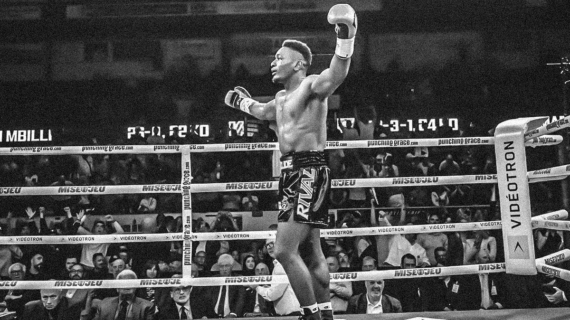
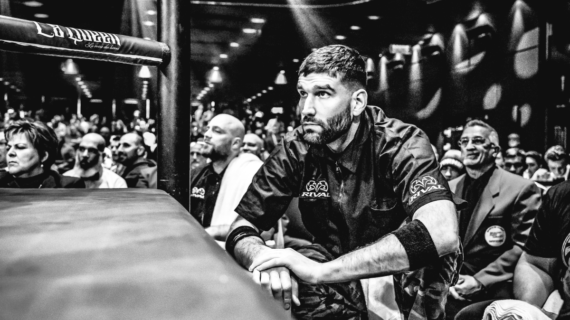
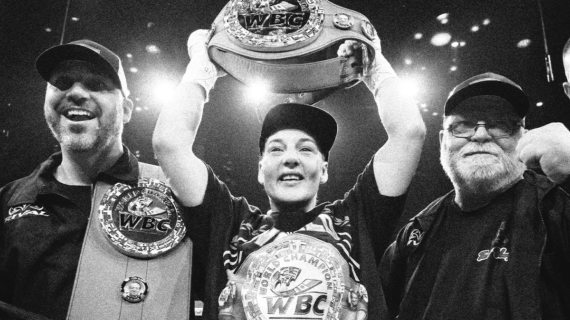
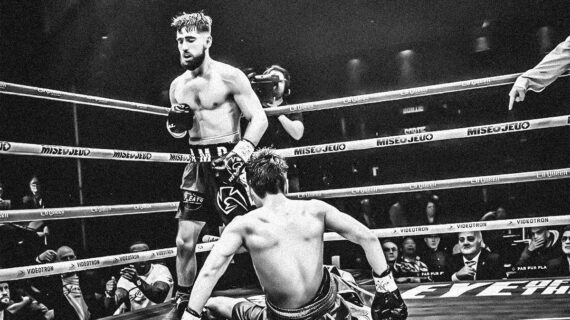
Photo: Mikey Williams – Christian Mbilli
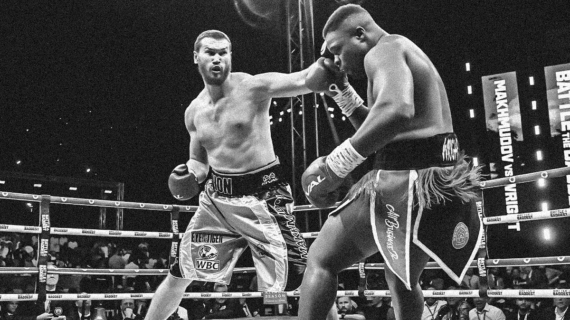
Another important difference among professionals is the importance of physical strength.
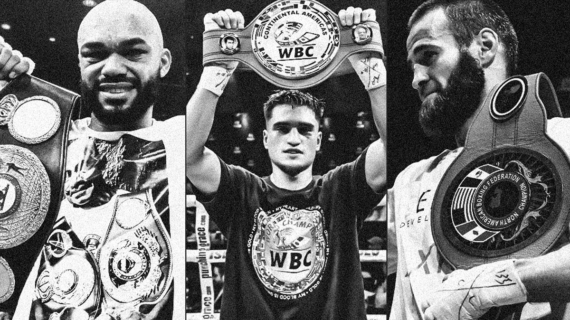
“You have to be able to impose your presence and withstand your opponent’s pressure for 10 to 12 rounds. It’s no coincidence that boxers like Christian Mbilli are having so much success.”
Periodization: Structuring Instead of Accumulating
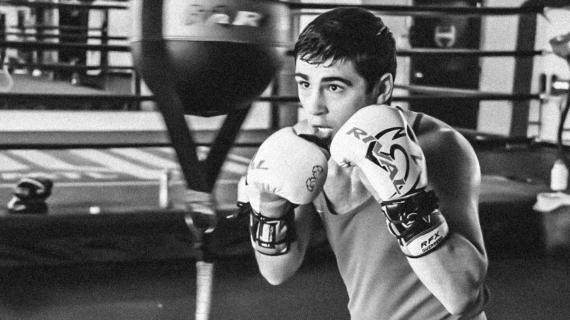
One common trap in boxing is trying to work on everything, all the time. You run, punch, spar, lift weights… hoping to improve everywhere at once.
In reality, this often leads to average progress and constant fatigue.
As Philippe Gougeon reminds us:
“You have to learn how to prioritize: some qualities must simply be maintained, while others need to be developed in a targeted way, with more time and energy.”
Periodization allows training to be structured. It’s about organizing the work to develop the right qualities at the right time.
“Every session has a purpose. For example, you avoid doing a Cooper test or shuttle run test the day before an important sparring session.”
For amateurs, since fights occur frequently, the goal is to maintain a high level of performance over a long period of time. Training must therefore remain flexible, with constant adjustments, without generating excessive fatigue.
For professionals, the context generally allows for more structured planning. A boxer who fights two or three times per year can alternate between recovery phases and more intensive training phases, even if some exceptions exist.
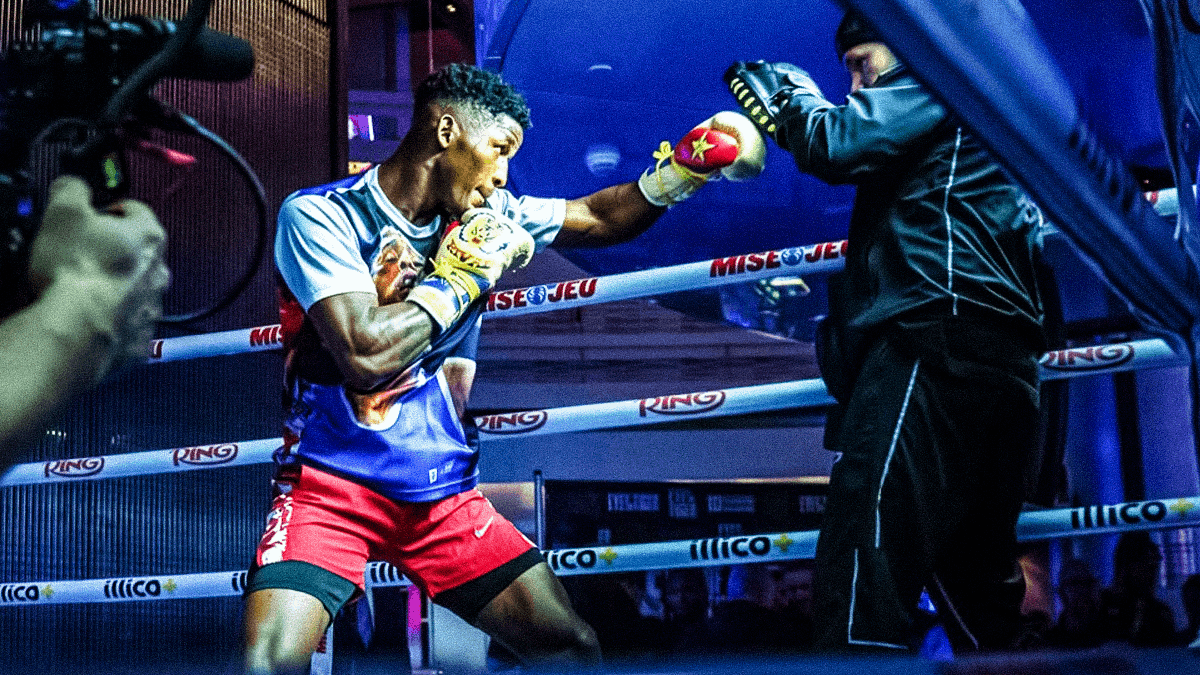
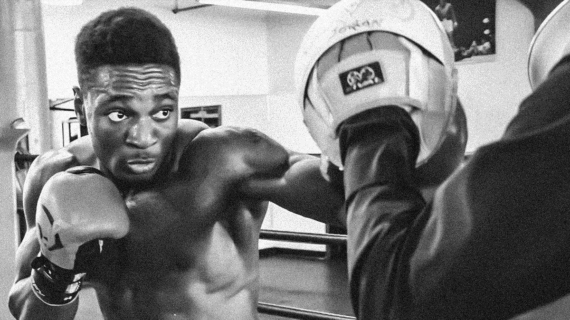
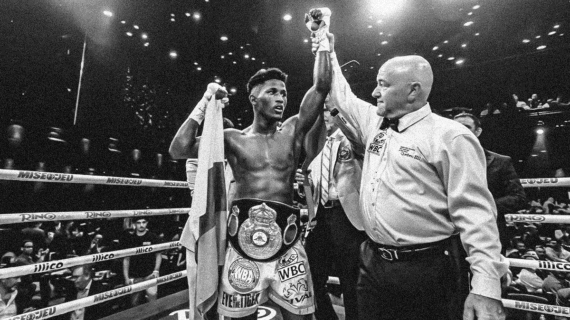
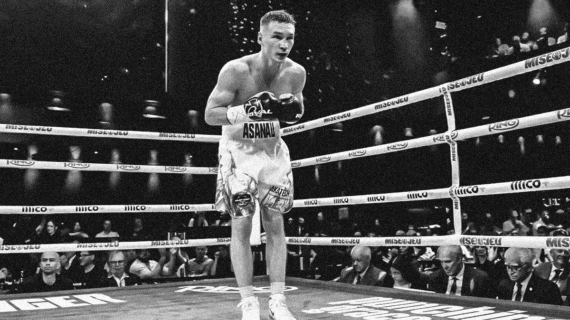
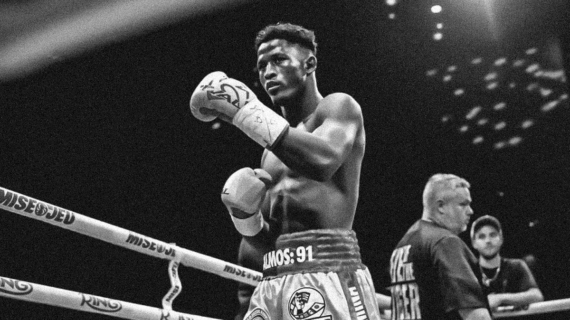
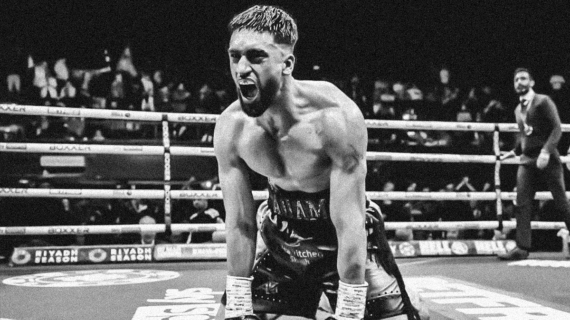
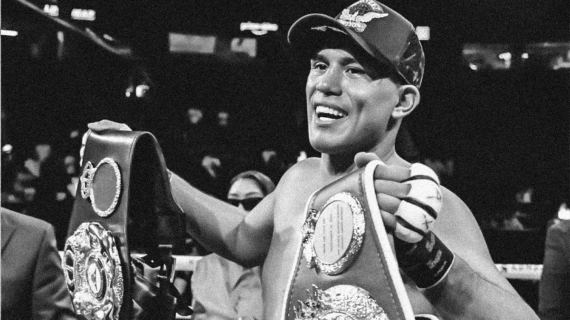
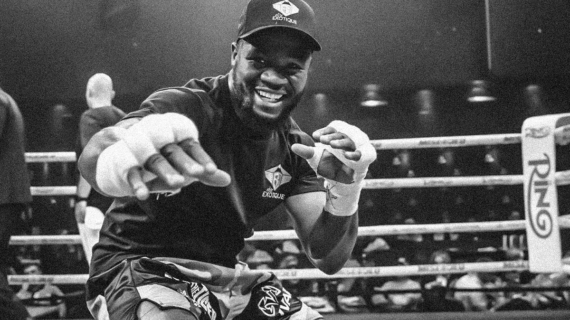
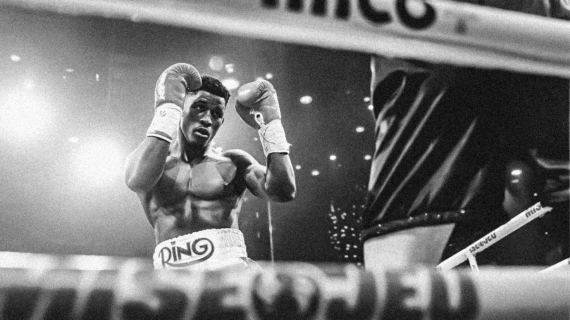
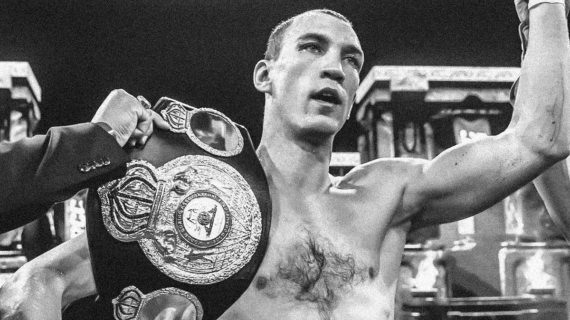
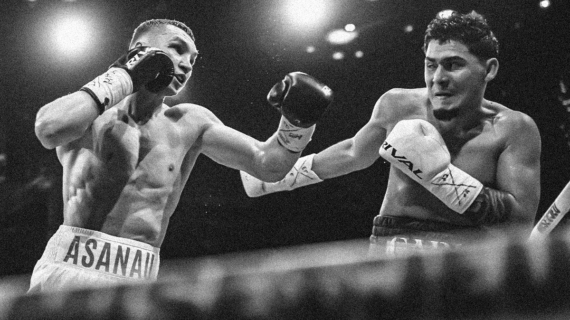
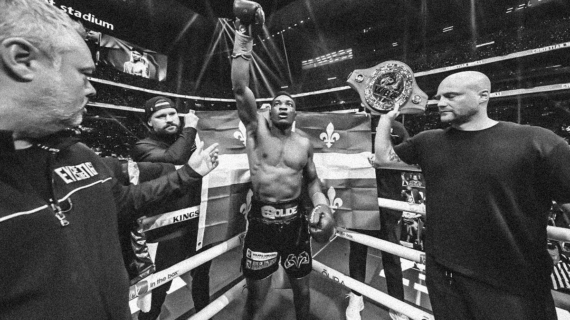
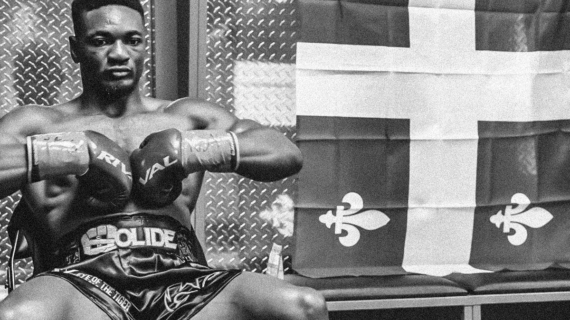
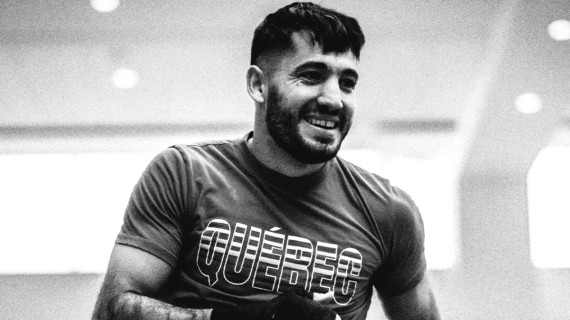
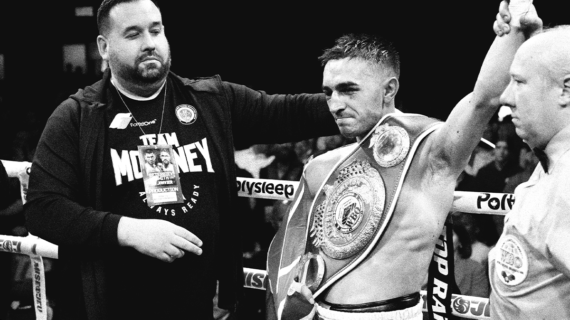
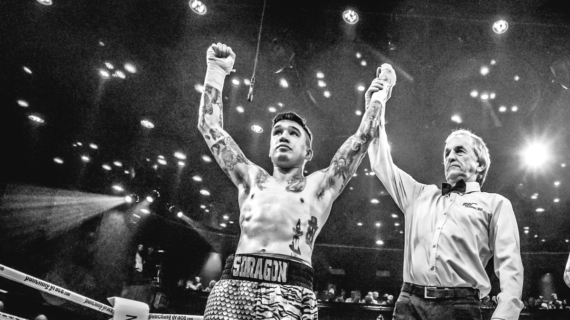
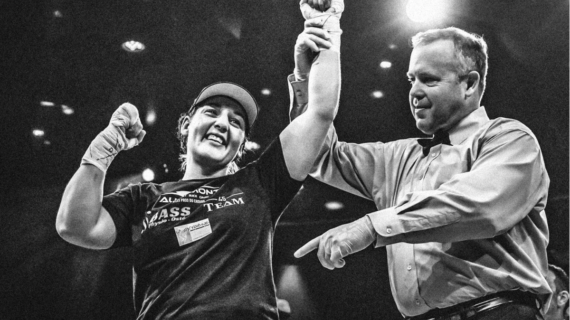
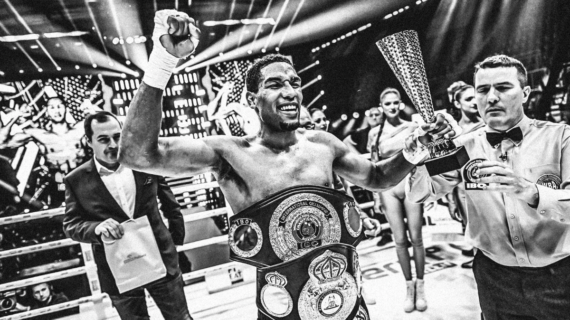
Photo: IG – Jhon Orobio
A training camp then becomes a logical progression: building a base, gradually increasing specificity and intensity, and then reducing volume to arrive fresh for the fight. This last step is often neglected, even though it is essential.
Arriving exhausted is not a sign of successful preparation, quite the opposite.
Conditioning and Strength Training: Two Complementary Realities
In everyday language, “being in shape” often means everything. Yet conditioning and strength training serve very different roles.
Conditioning refers to the ability to sustain effort: repeating actions, recovering between exchanges, and maintaining a high intensity throughout the fight. It’s what prevents a boxer from collapsing after a few rounds.
As Gougeon points out:
“A boxer may have the cardio of a marathon runner, but still be unable to repeat explosive efforts.”
Strength training, on the other hand, affects force production. It influences punching power, body stability, and the ability to efficiently transfer energy. It’s what allows a boxer to maintain impact, even when fatigued.
A stronger boxer is often also more enduring, in a certain sense. A physically weak athlete who is under pressure will fatigue quickly. Conversely, a solid boxer can better manage that pressure, expend less energy, and therefore remain sharp for longer.
The problem is that these two aspects are often misunderstood. Some focus almost exclusively on cardio. Others lift weights without any real connection to the demands of the ring. In both cases, a piece of the puzzle is missing.
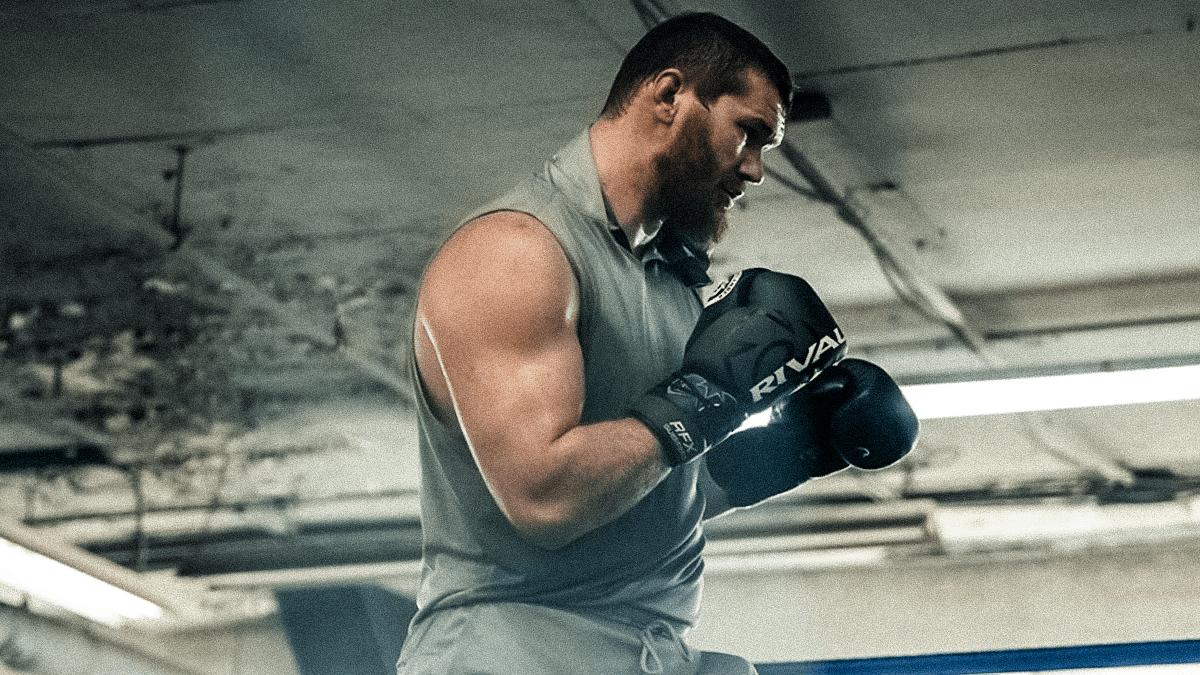
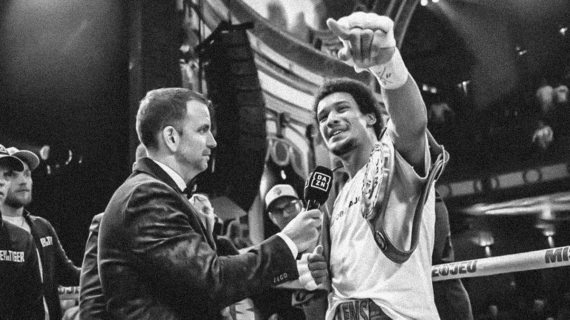
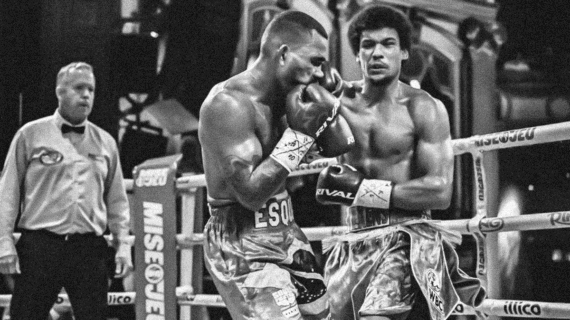
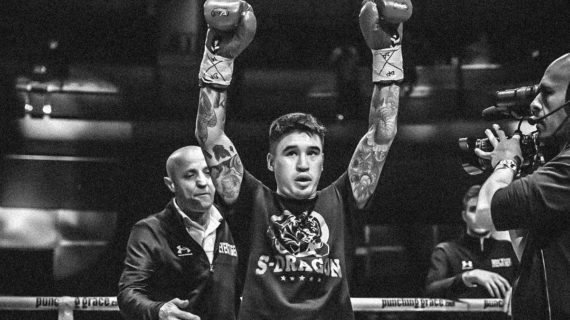
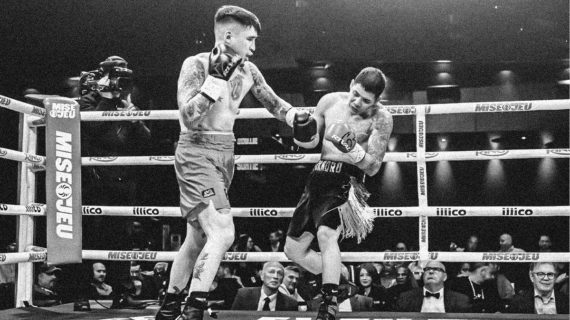
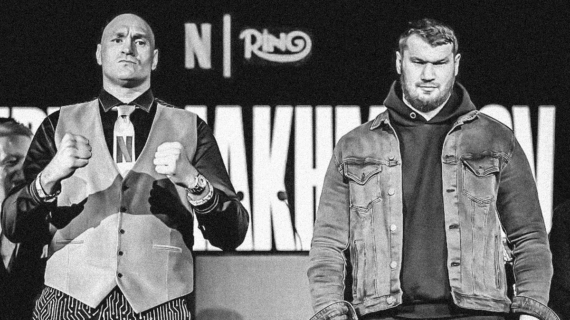
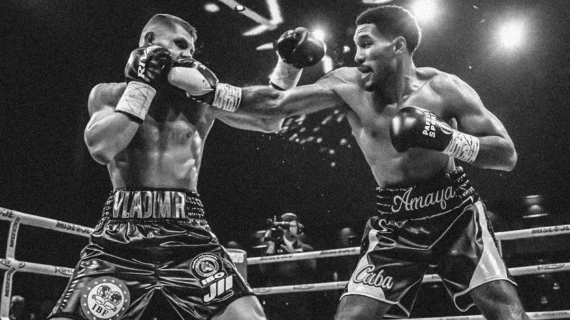
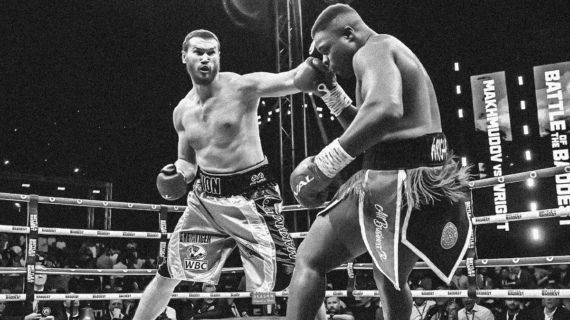
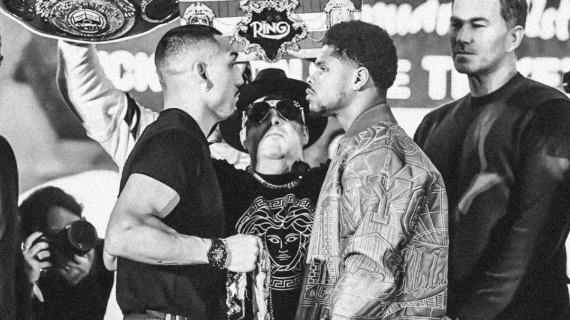
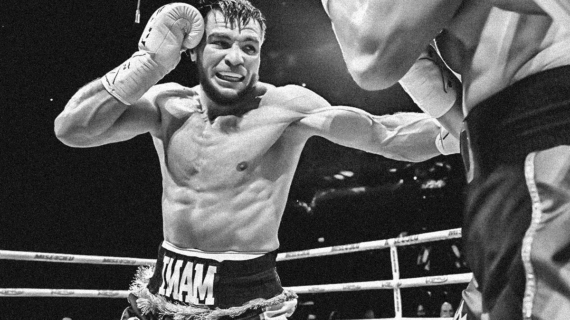
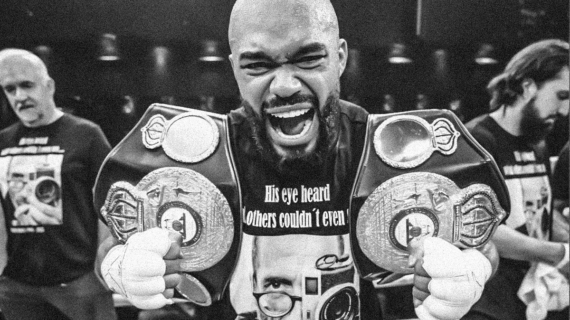
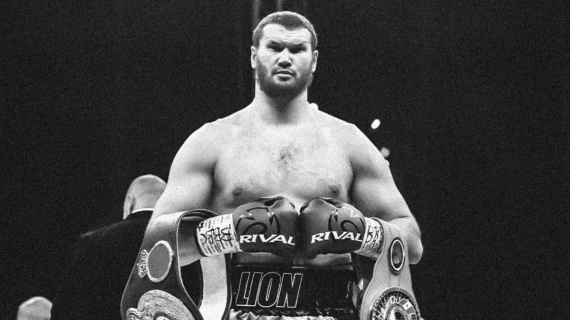
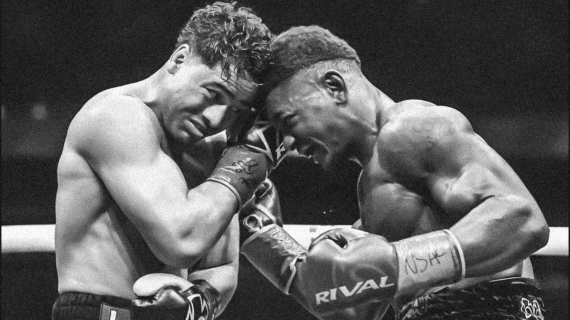
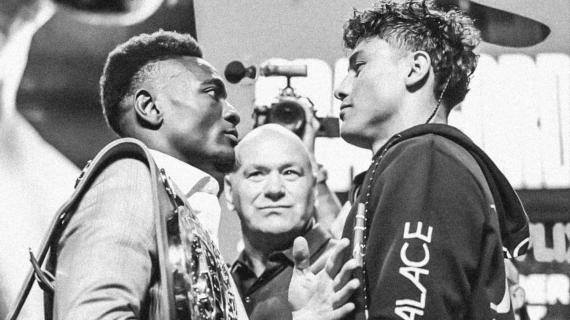
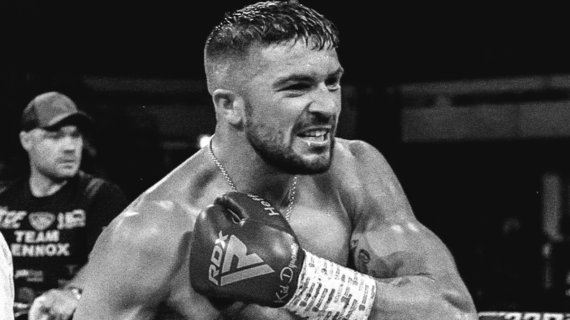
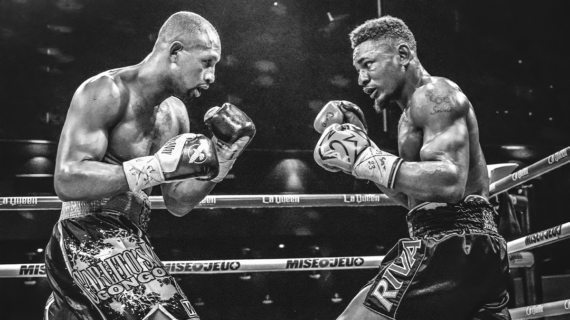
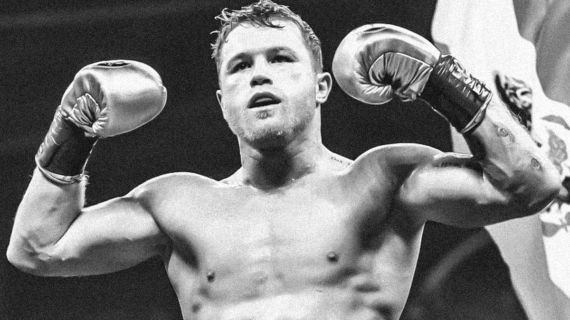
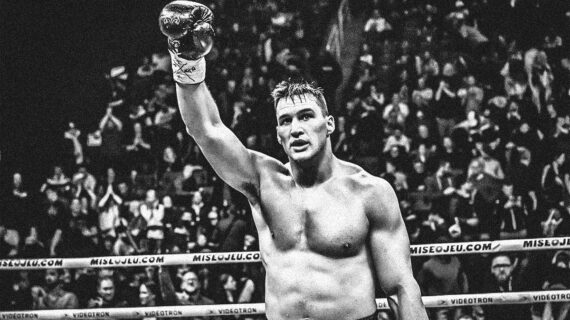
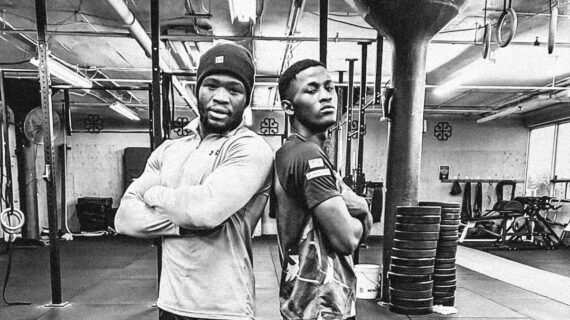
Photo: IG – Arslanbek Makhmudov
What matters isn’t doing more, but doing what actually transfers to fight situations.
“Consistently working on the fundamentals produces much better results than what simply looks ‘impressive’ on social media,” Gougeon summarizes.
What Really Matters
Ultimately, physical conditioning in boxing rests on a few simple ideas that are often overlooked.
First, not all forms of boxing require the same preparation.
Second, training should not be an accumulation of fatigue but a thoughtful progression. The body doesn’t adapt because it is constantly pushed harder, but because the right stresses are applied at the right time.
Recovery also plays a central role: sleep, stress management, and nutrition. These are the elements that allow athletes to string together training sessions and optimize progress.
It’s also important to stop opposing cardio and strength. Both are essential but must be developed with a clear intention.
Every boxer has different needs, but the objective remains the same: to become a resilient athlete capable of meeting the demands of the fight.
Finally, we must avoid confusing visible effort with real effectiveness.
During one discussion, Philippe even gave an extreme example: crawling five kilometers. An extremely demanding task—but completely useless for a boxer. Yet we still see athletes imposing impressive workloads on themselves, believing that the harder it is, the better it must be.
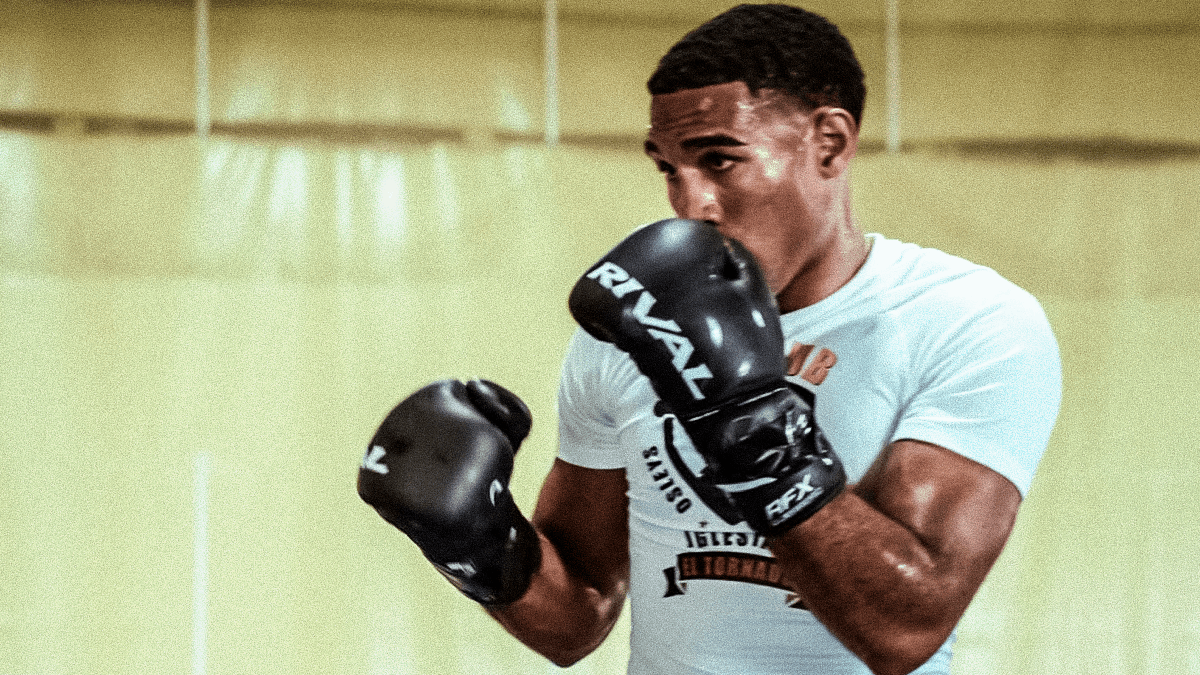
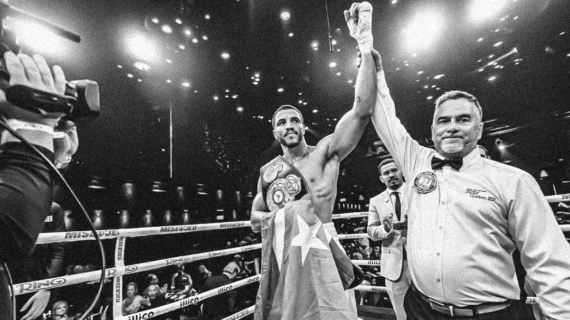
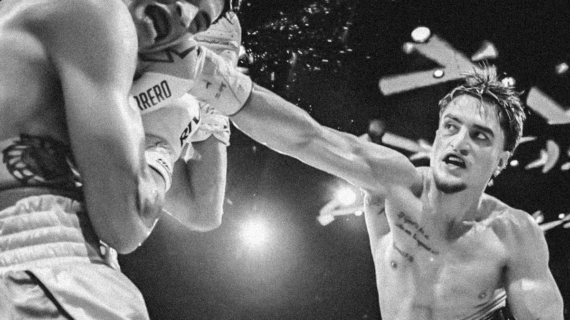
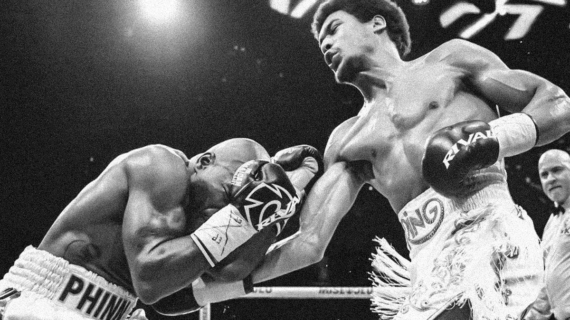
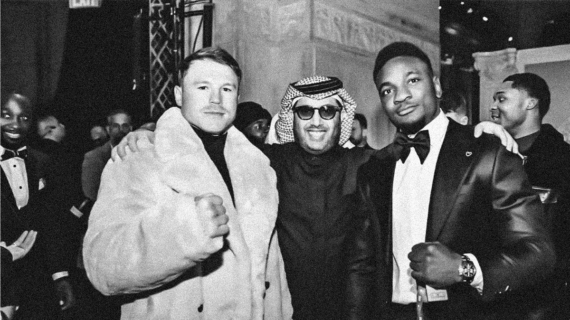
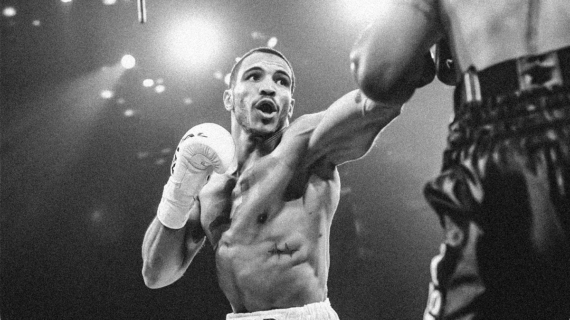
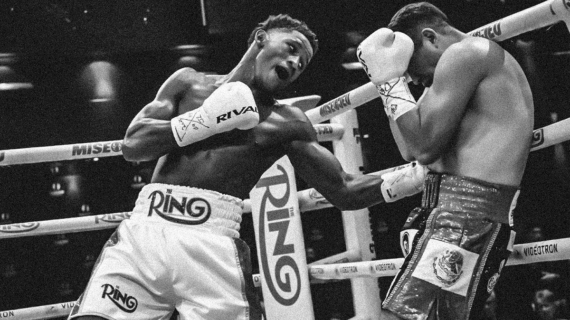
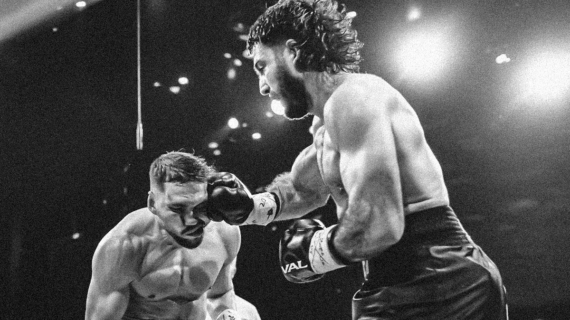
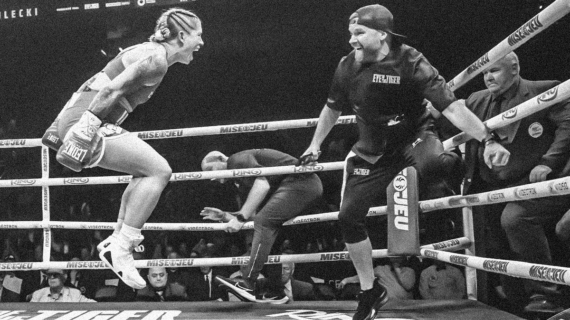
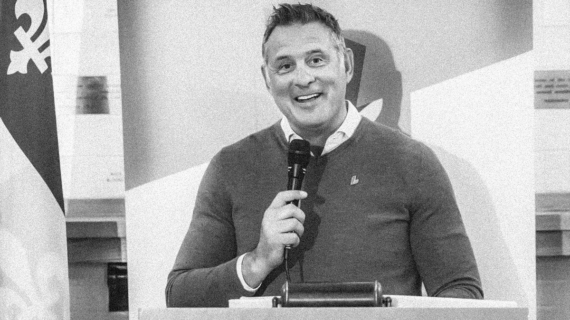
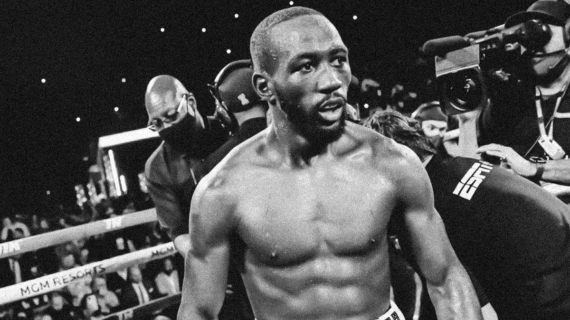
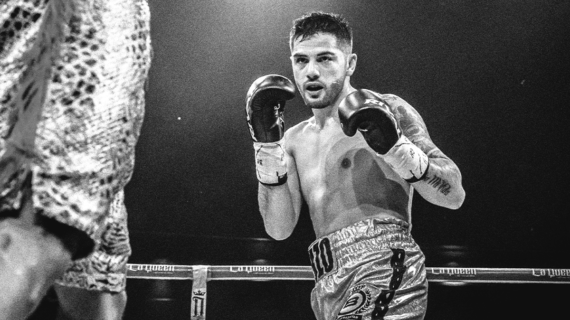
Photo: IG – Osleys Igelsias
On the other hand, structured work—sometimes repetitive and not very spectacular, can have a much greater impact. For example, running 400-meter intervals twice a week for several weeks may seem ordinary, but it produces real gains when properly programmed.
Conclusion
Physical conditioning in boxing is not a question of willpower or toughness.
It’s a question of understanding.
Understanding what the sport truly demands. Understanding how the body adapts. Understanding when to push, when to slow down, and why.
Because in the end, the goal isn’t to be the most exhausted person in the gym.
It’s to be the most effective in the ring.