Between Myths and Reality: Why Boxing Needs to Rethink Its Relationship with the Scale
I’m not a nutritionist. I’m a boxing coach. But I’m also curious, and above all passionate about anything that can influence the performance and health of athletes.
Over time, I’ve often taken a closer look at one unavoidable reality of our sport: weight management.
Because in boxing, even before punches are thrown, there’s a first fight. A silent fight, but a decisive one: the fight against the scale.
And we have to be honest—far too often, that fight is misunderstood… and poorly executed.
Some boxers manage to make weight. But at what cost? And more importantly, in what condition do they step into the ring afterward?
The Real Problem: The Off-Season
In professional boxing, it has to be said plainly: too many fighters treat their weight like a yo-yo.
And this phenomenon doesn’t only begin when a fight approaches. It also happens—and often primarily—between training camps, during the so-called “off-season.”
Some boxers climb 30, 40, sometimes even 50 pounds above their fighting weight, only to try to shed it all in a matter of weeks.
The result: they don’t enter camp to perform. They enter camp to lose weight.

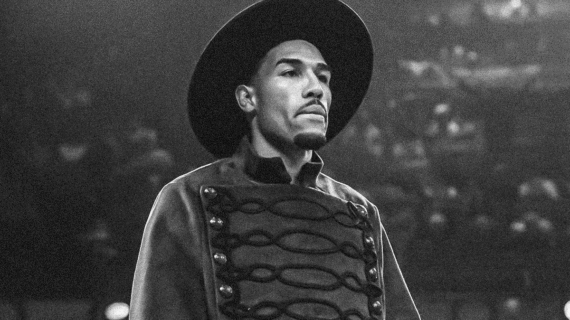
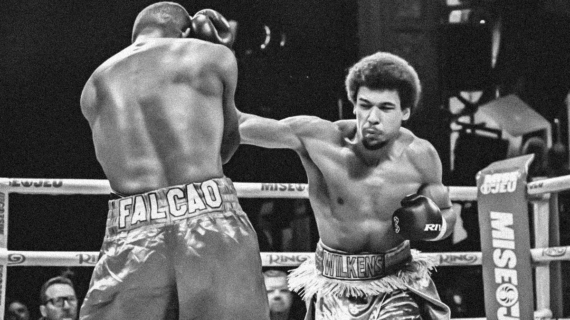
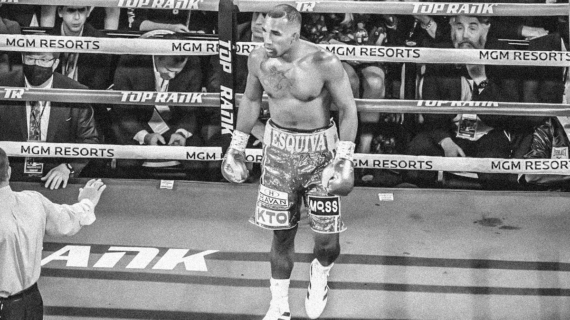
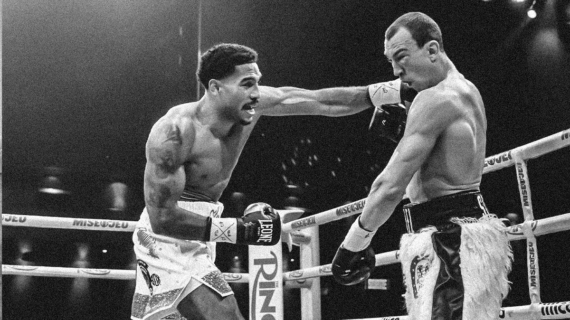
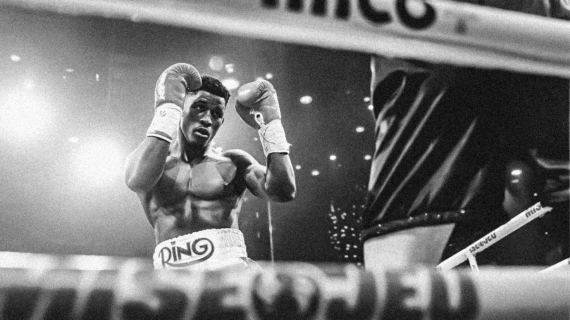
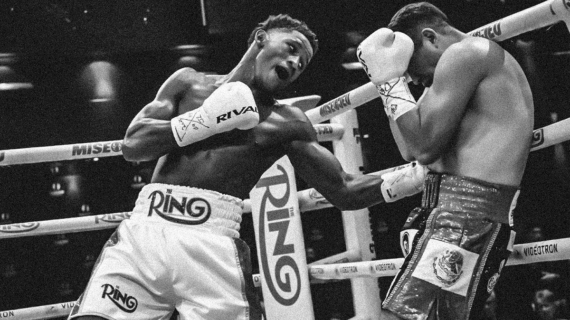
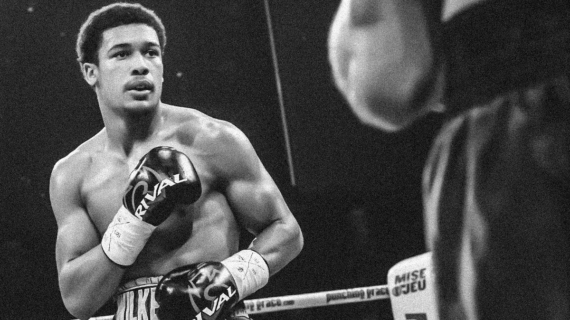
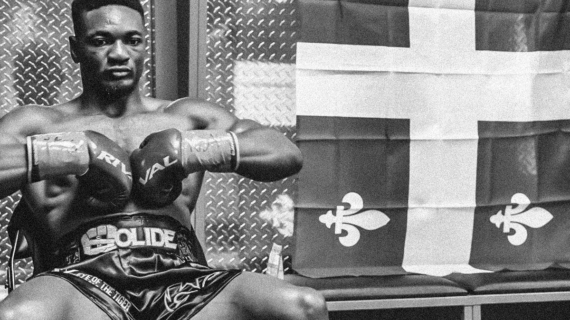
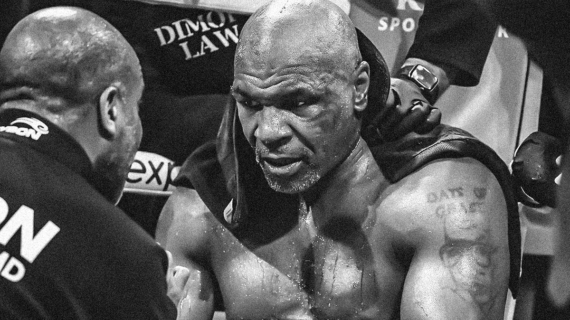
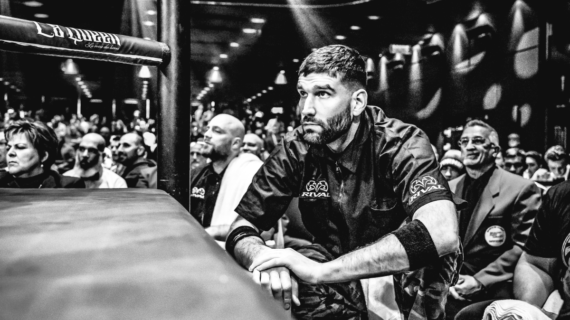
Photo: Fightmag – Wilkens Mathieu
From that moment on, the entire logic of training becomes distorted. Camp is no longer about refining technique, developing reflexes, or building strategy. It becomes a process centered on weight loss. Fighters train tired, dehydrated, and drained. Precision is replaced with perspiration, and progress with suffering.
This model is not only ineffective. It is counterproductive.
An Advantage… That May Not Even Exist
For years, weight cutting has been seen as a strategic advantage. The idea is simple: be bigger than your opponent on fight night.
But modern science is beginning to challenge that belief.
A meta-analysis published in the International Journal of Sports Physiology and Performance shows that there is no clear performance advantage after a rapid weight cut followed by weight regain. In other words, a boxer may impose enormous stress on their body for weeks… without even improving their chances of winning.
So we accept very real risks for a purely hypothetical benefit.

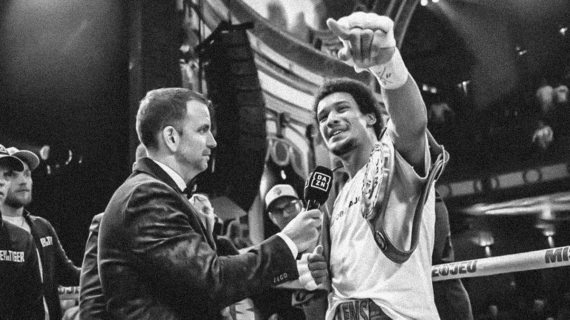
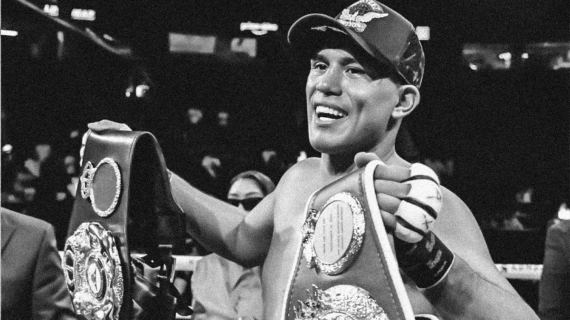
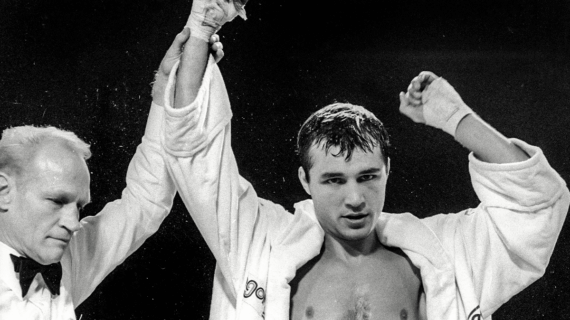
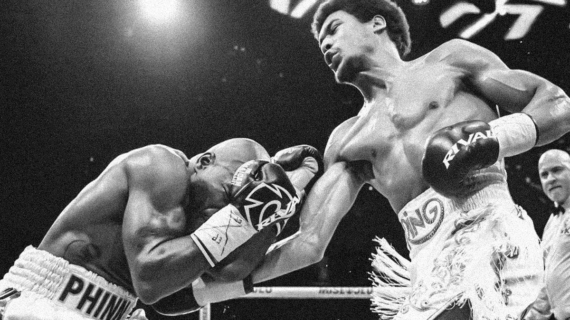
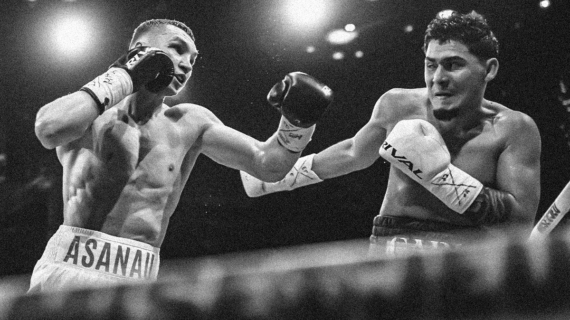
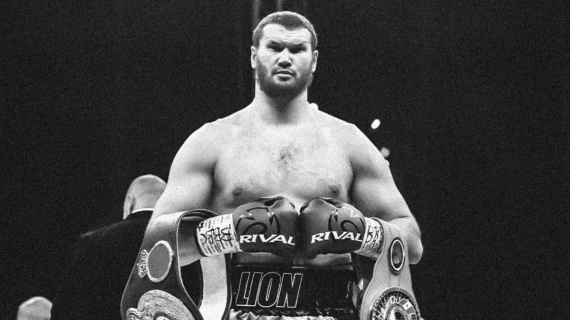
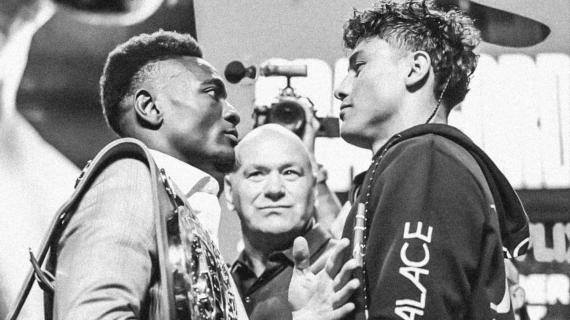
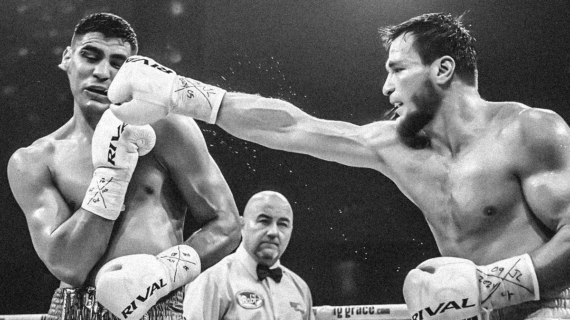
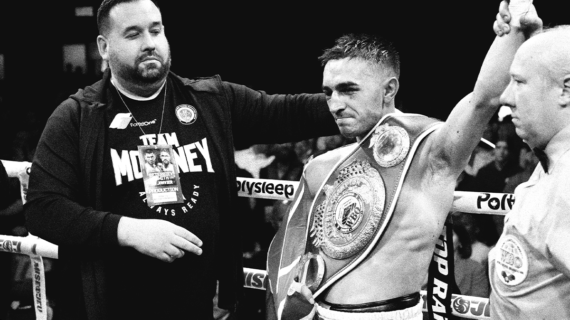
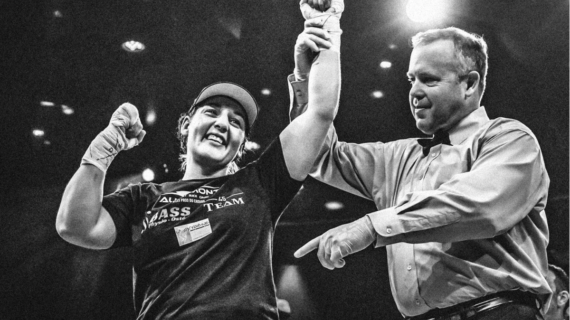
Photo: IG – Leila Beaudoin
Critical Threshold: Beyond 5%, the Body Starts to Break Down
The human body is not designed to undergo rapid and repeated weight loss.
Most weight cuts rely on dehydration, and the effects are well documented. But one point appears consistently in scientific literature: once an athlete loses more than 5% of their body weight over a short period, the negative effects become significant.
This results in reduced performance, impaired cognitive function, mood disturbances, and increased physiological stress.
In reality, many boxers far exceed this threshold. At 8%, 10%, or more, we are no longer talking about optimization. We are talking about putting the body at risk.
The Yo-Yo Effect: A Debt That Builds Over Time
A young boxer may sometimes get away with these practices. But as the years go by, reality changes.
The metabolism becomes less flexible, recovery slows down, and hormonal systems become more fragile. Research on “weight cycling” shows that repeated fluctuations can lead to long-term effects, particularly on cardiovascular health and metabolic efficiency.
In other words, what may seem “manageable” at 22 becomes a problem at 30.
The body never forgets—especially when it has been pushed to its limits.

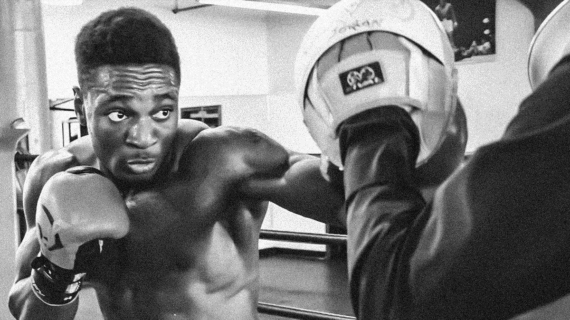
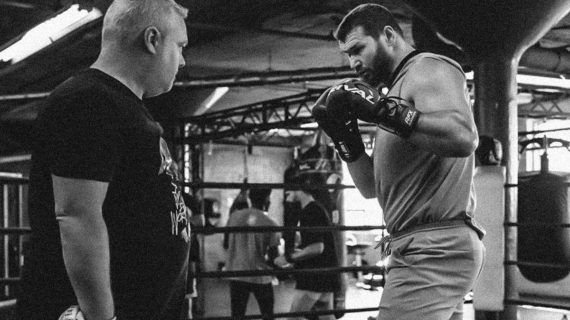
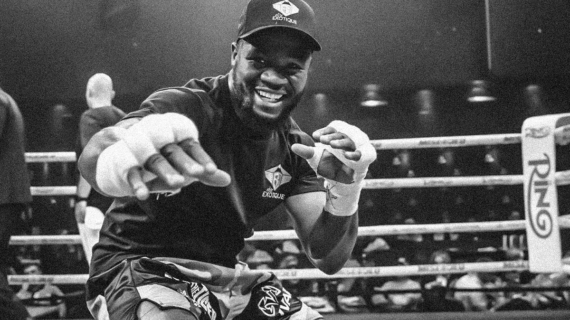
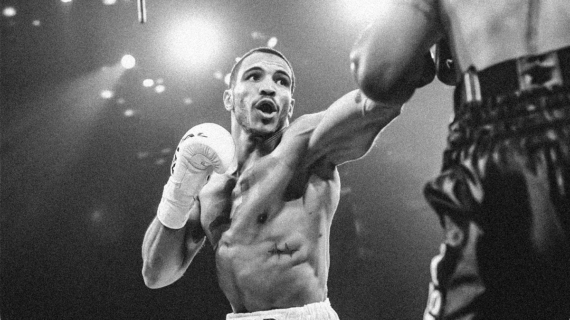
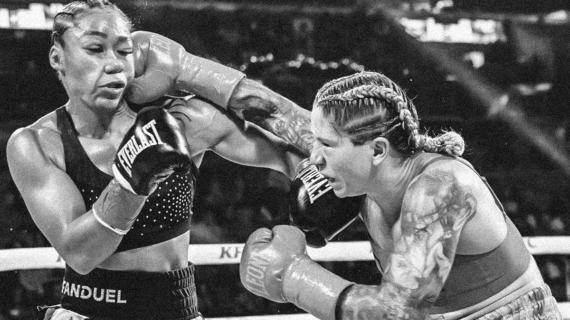
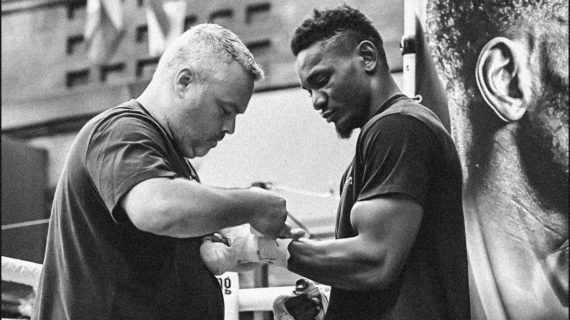
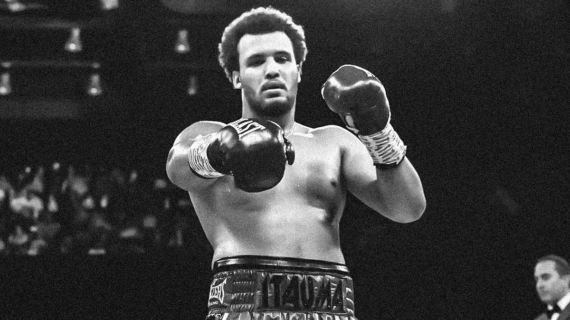
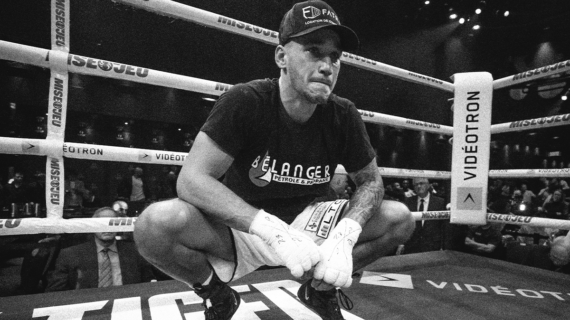
Photo: EOTTM – Alexandre Gaumont
Brain Health
In boxing, there is one unavoidable reality: fighters take blows to the head.
And dehydration completely changes the equation.
Science shows that dehydration increases the brain’s vulnerability to impacts and may worsen the effects of concussions. It also affects key elements of performance such as reaction time, coordination, and decision-making.
Some studies even suggest that athletes who aggressively cut weight could suffer greater brain damage per fight. These damages can easily translate into long-term effects.
This isn’t just about performance.
It’s about safety.
Rehydration: When Drinking Isn’t Enough
After the weigh-in, everyone thinks about drinking. But in reality, rehydration is often poorly executed.
Surprisingly, many boxers step into the ring still partially dehydrated. They may regain weight, but their bodies have not returned to an optimal state.
Yet reaching that optimal state is possible—it simply requires a structured and thoughtful approach.
Effective rehydration cannot happen in just a few hours or by drinking large amounts of water all at once. It needs to be progressive and include electrolytes, particularly sodium, to promote fluid retention and restore physiological balance. The addition of carbohydrates is also essential to replenish glycogen stores, which play a key role in energy and performance.

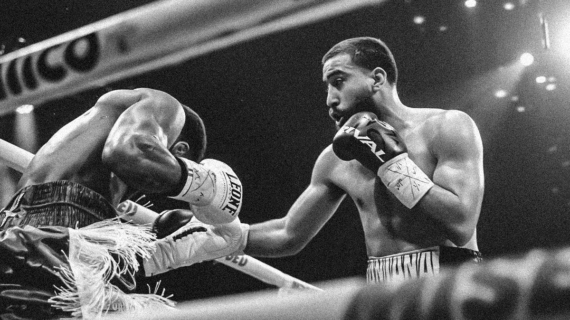
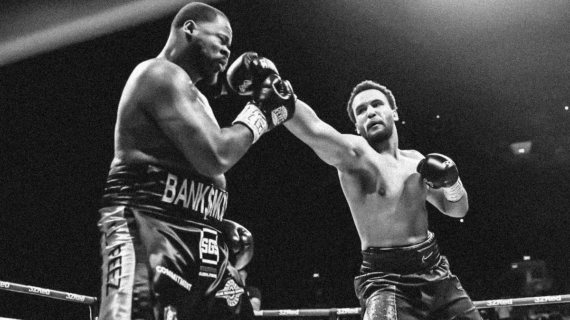
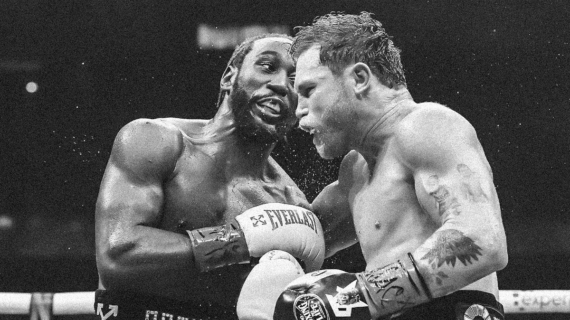
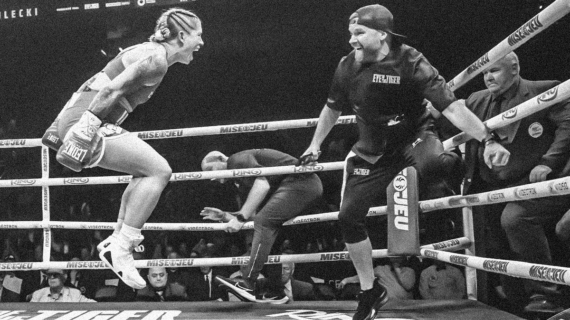
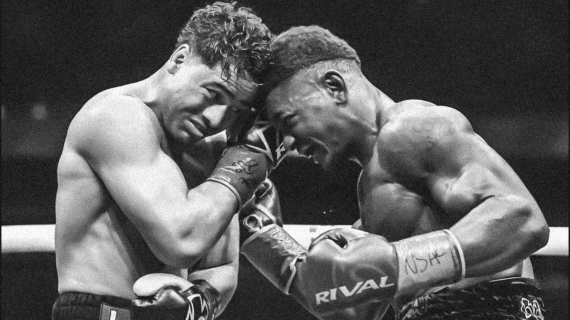
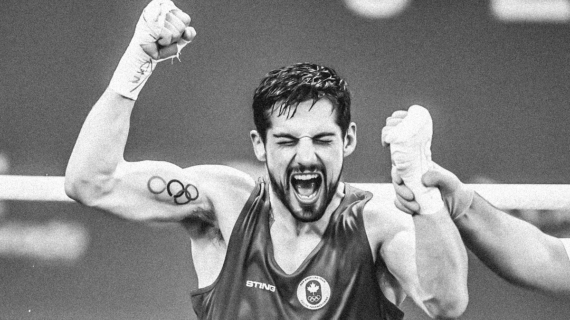
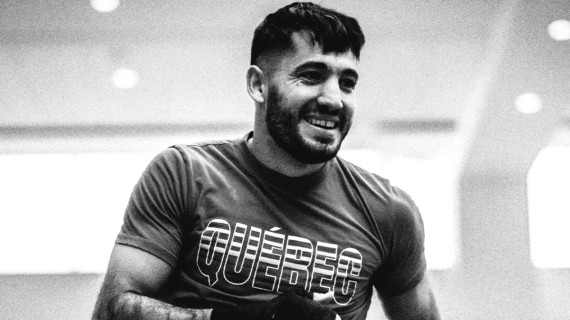
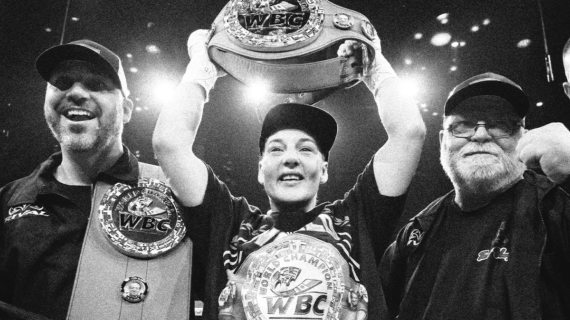
Photo: IG – Jhon Orobio
The temperature of liquids also matters. Drinks that are too cold can slow absorption and cause digestive discomfort, especially after a significant weight cut. On the other hand, cool—but not ice-cold—liquids (around 10 to 15°C) are generally better tolerated and allow for more effective rehydration.
But beyond composition and temperature, the quantity and, above all, the way fluids are consumed play a key role. Drinking too much too quickly is a common mistake. The body cannot efficiently absorb large quantities of liquid in a short period, which can lead to digestive discomfort and the rapid elimination of some of the fluids.
In practice, a simple and effective approach is to divide intake into smaller portions. Splitting rehydration into multiple small servings—for example using several bottles spread over a few hours—allows for better absorption and more effective fluid retention. This strategy helps the body return to an optimal hydration state more steadily, without overwhelming the digestive system.
What must be understood is that beyond rehydration itself, the determining factor remains weight management beforehand. An athlete who limits their final cut to a reasonable threshold—ideally under 5% of body weight—greatly increases their chances of returning to an optimal physical and cognitive state before the fight.
In reality, the best recovery strategy begins long before the weigh-in.

Photo: Fightmag – Osleys Iglesias
True Discipline: Managing Weight Year-Round
The solution exists—but it requires a different approach.
Smart weight management maintained year-round allows a boxer to enter training camp already close to fighting weight. In this context, the final weight cut becomes minimal, ideally below the critical threshold of around 5%.
This finally allows training to focus on what truly matters: boxing. Technique, timing, strategy, and reading the opponent.
It’s a more mentally demanding approach, but infinitely more effective in the long term.
Changing the Culture Before It’s Too Late
Extreme weight cutting is not a sign of professionalism. Showing up to camp 40 pounds overweight and hoping to fix it in a few weeks isn’t either.
These are habits that harm development, performance, and health.
A disciplined boxer doesn’t prepare only six or eight weeks before a fight.
They prepare all year long.
Because in the end, it’s not the fighter who suffers the most on the scale who wins.
It’s the one who arrives ready to perform.

Photo: Vitor Munhoz – Christian Mbilli
How to Optimize Rehydration After the Weigh-In
Returning to an optimal state after a weight cut is not simply about drinking large amounts of water. Rehydration is a strategic process that can make the difference between an average performance and an optimal one.
1. Rehydrate progressively, not excessively
Drinking large quantities at once can be counterproductive. The body absorbs fluids better when they are consumed in smaller amounts over several hours.
2. Prioritize electrolytes
Water alone is not enough. Sodium in particular is essential for promoting fluid retention and restoring hydration balance. Without electrolytes, a significant portion of the water consumed is quickly eliminated.
3. Reintroduce carbohydrates intelligently
After a weight cut, glycogen stores are depleted. A gradual intake of carbohydrates helps restore energy levels and improve overall recovery.
4. Pay attention to the temperature of liquids
Drinks that are too cold can slow gastric emptying and cause digestive discomfort. Cool—but not ice-cold—liquids (around 10–15°C) are generally better tolerated and absorbed more efficiently.
5. Avoid common mistakes
Drinking only water, consuming fluids too quickly, or neglecting electrolytes are common errors that limit real recovery—even if the weight is regained.
6. Understand that recovery begins before the weigh-in
A boxer who limits their weight cut to less than 5% of body weight will have a much easier time rehydrating effectively and returning to an optimal state before the fight.