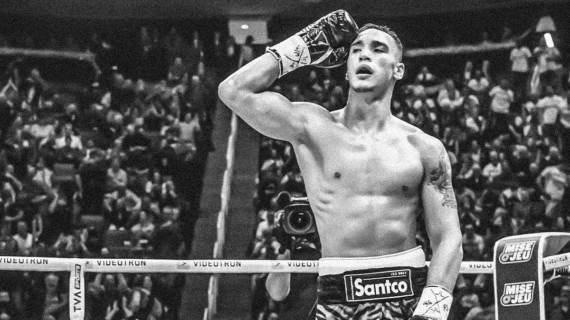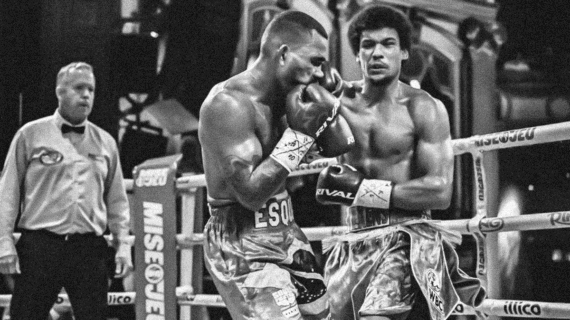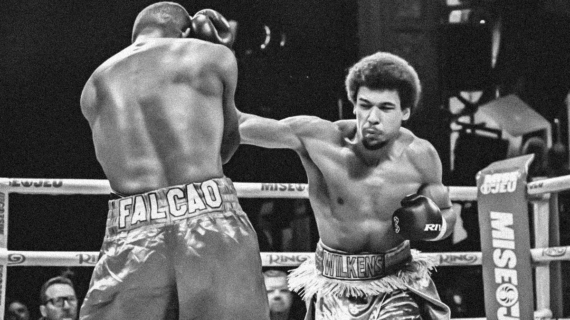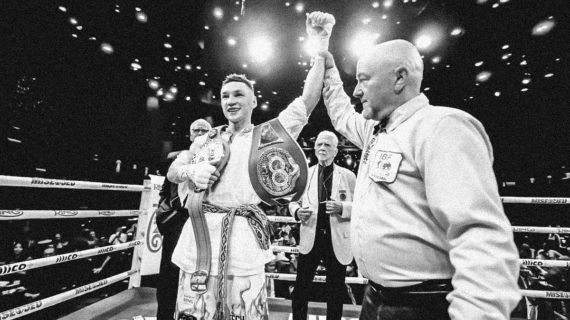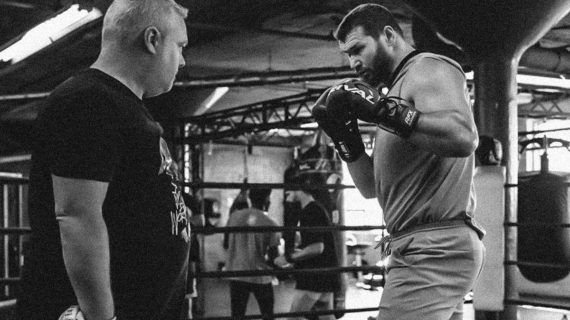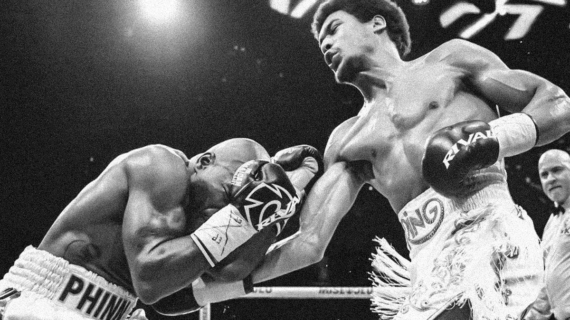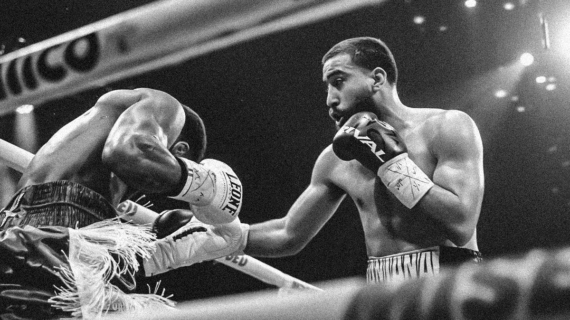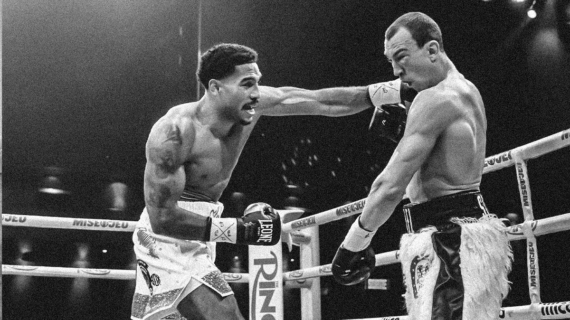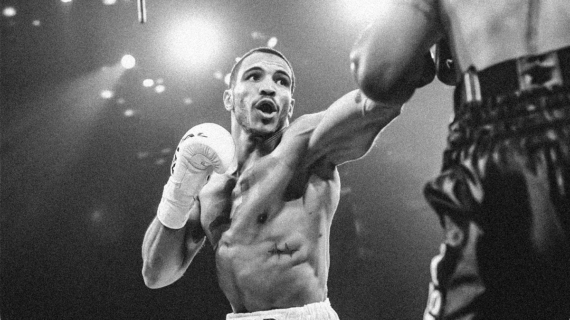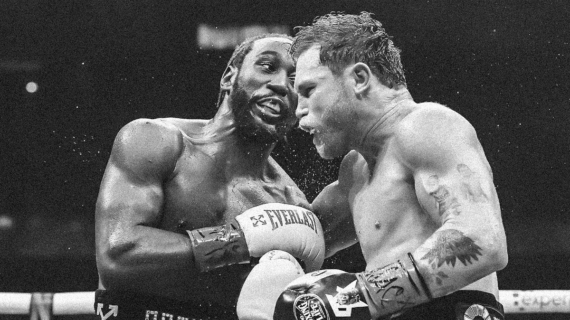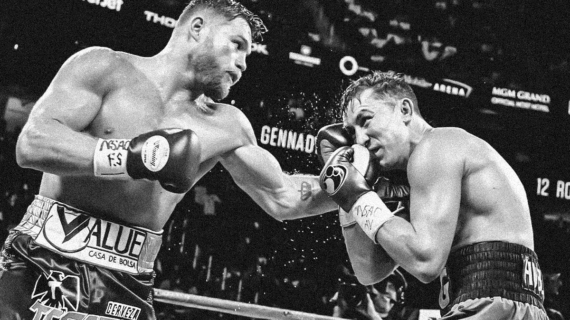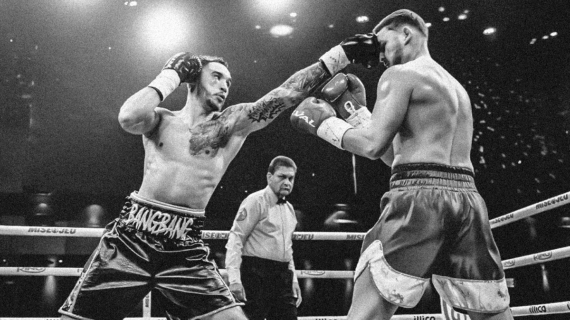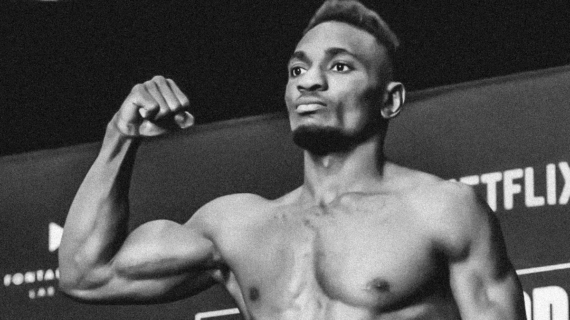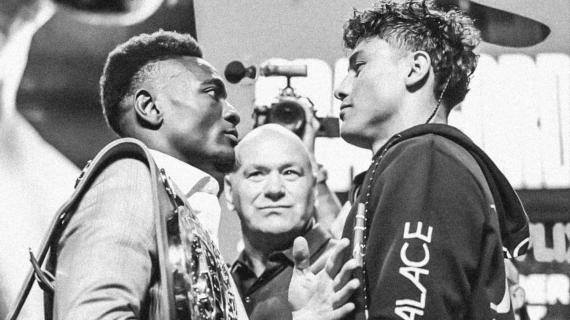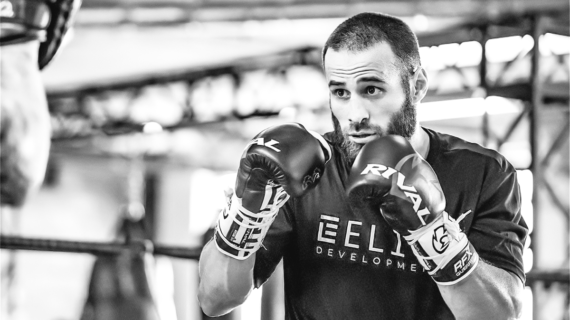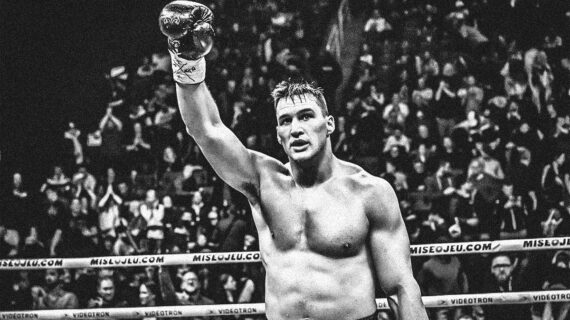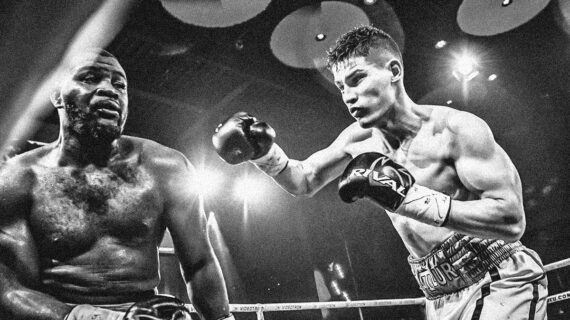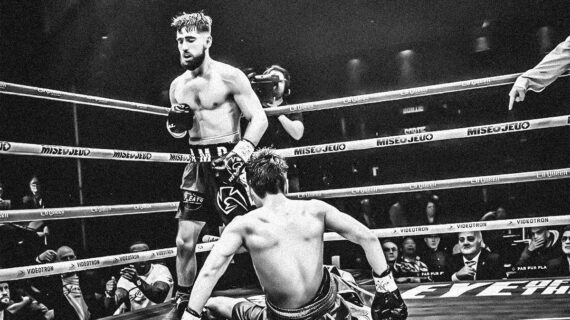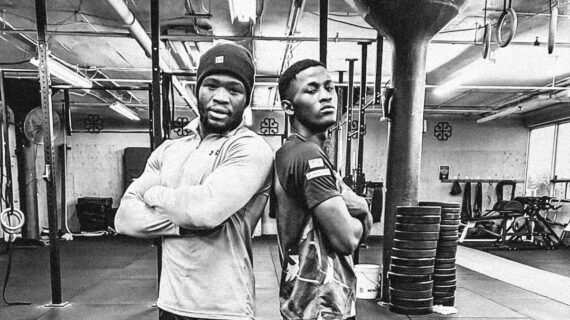
Cuban boxers have built a strong reputation in Olympic boxing. Even today, Cuban boxing remains an international model thanks to a style focused particularly on mobility and technique. However, at first glance, those are not necessarily the qualities that best define Osleys Iglesias.
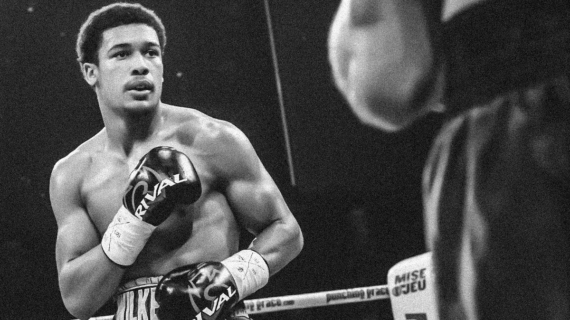
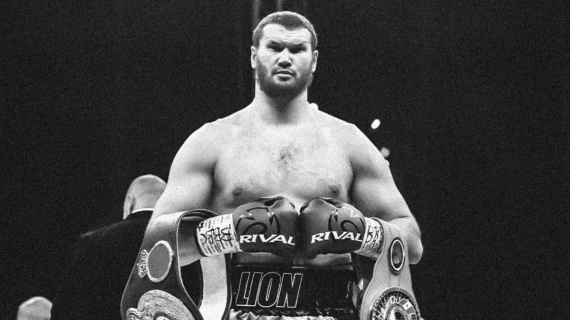
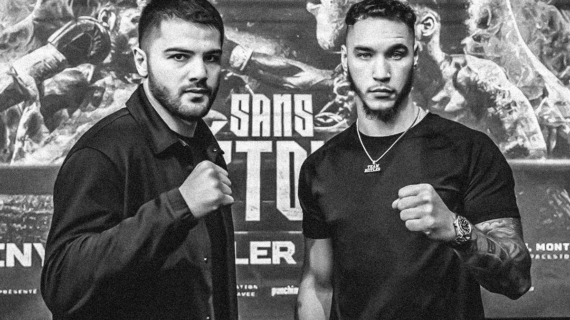
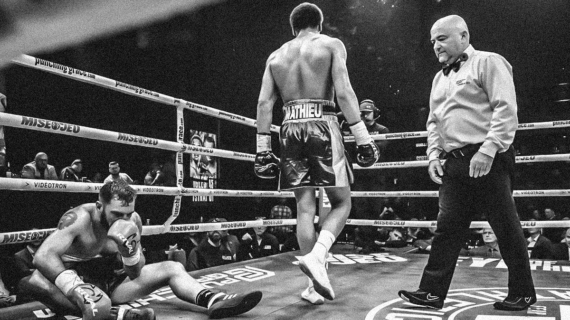
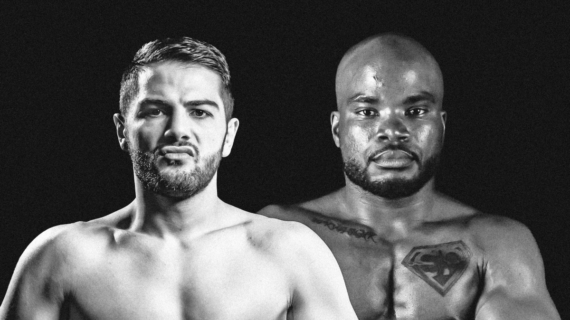
In fact, I wasn’t very surprised when Wilkens Mathieu said he was not impressed by Iglesias’ latest performance. While appearing as an analyst, Wilkens stated that the Cuban boxer showed certain limitations in his fight against Pavel Silyagin that had not previously been visible.
However, our young and brilliant analyst did nuance his statement. He admitted that the opponent, Pavel Silyagin, is the type of fighter capable of causing problems for any elite boxer. From Wilkens Mathieu’s perspective, I nevertheless believe that the key missing element for Iglesias in this fight was his ability to make adjustments.
For my part, it seems quite obvious that the boxing style of the man nicknamed “El Tornado” does not completely fit the traditional Cuban style. Now let’s see if I can agree with Wilkens Mathieu’s opinion. The question deserves reflection.

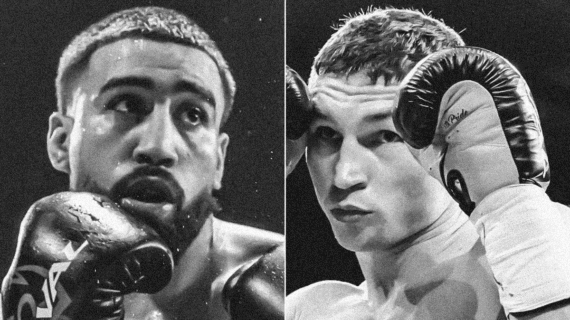
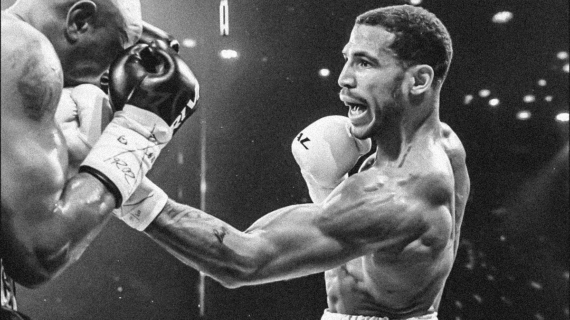
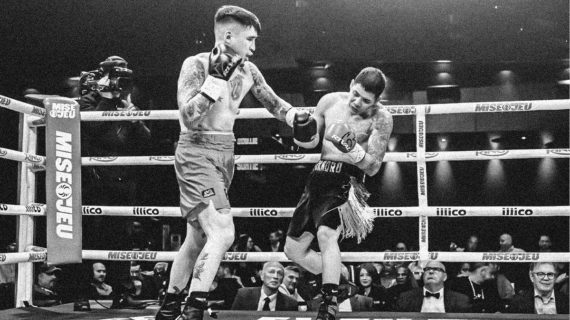
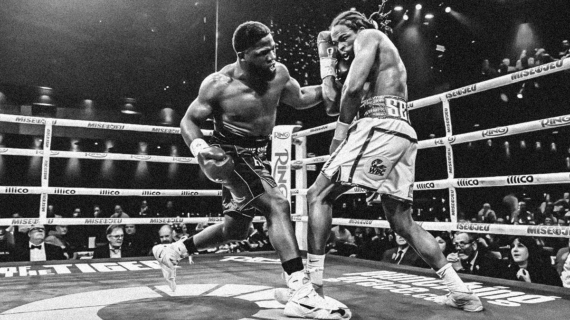
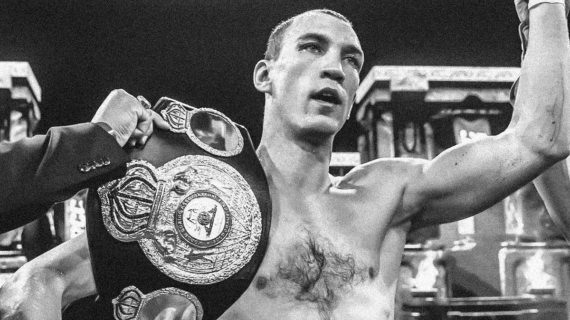
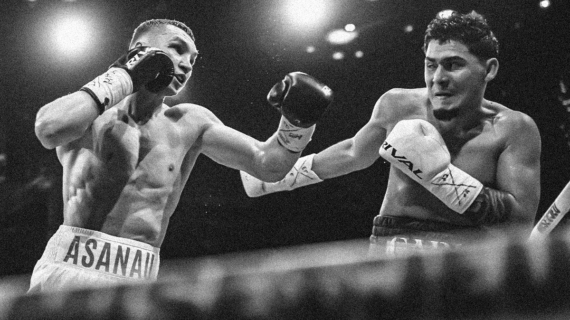
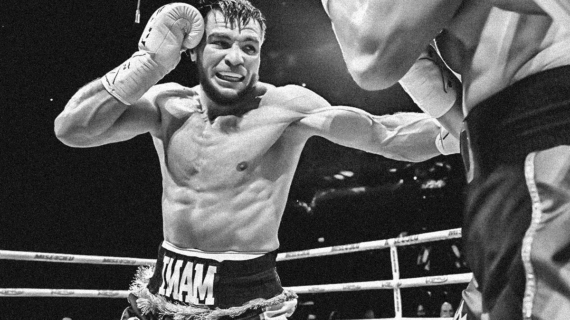
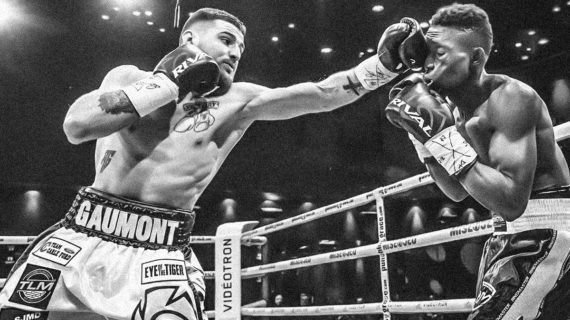
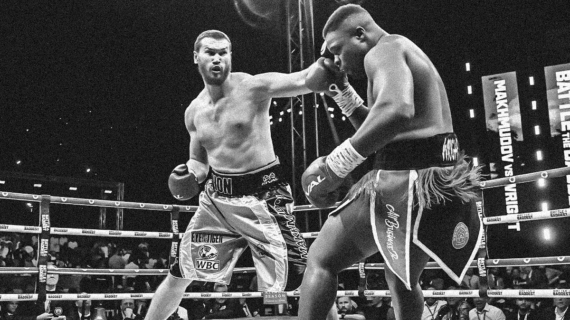
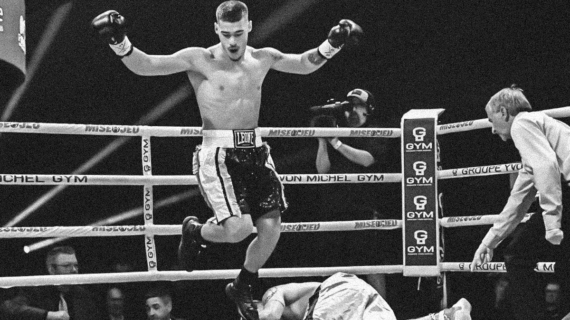
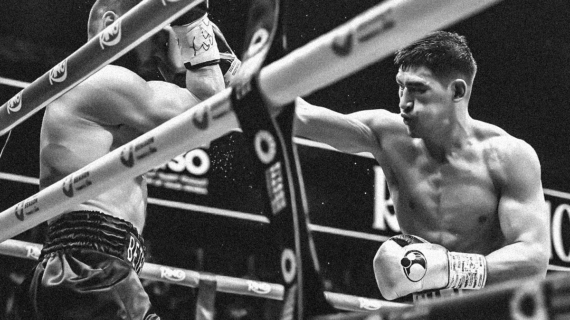
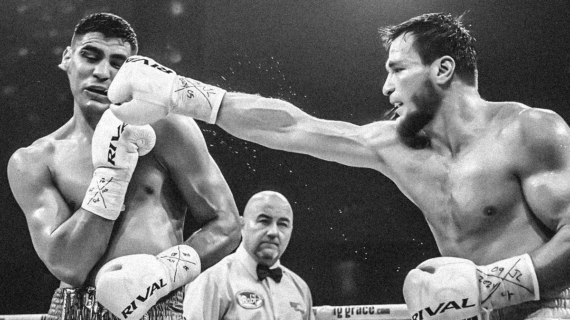
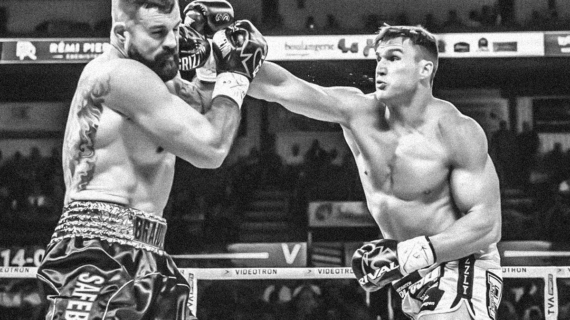
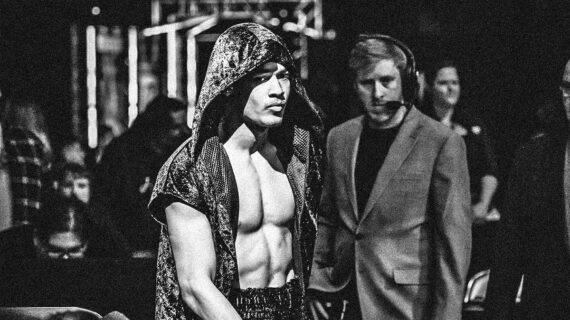
Photo: IG – Osleys Iglesias vs Pavel Silyagin
In order to establish the starting point of my analysis, I will begin by referring to Samuel Décarie-Drolet’s excellent article: The Four Great Schools of Boxing. He rightly mentions that the Cuban school mainly encourages its fighters to constantly vary rhythm and tempo. According to Samuel Décarie-Drolet, Cuban boxers generally learn to master angles and feints at the highest level.
This technical portrait of the classic Cuban boxer does not perfectly match Iglesias. While he is not a robotic boxer, he cannot really be described as “slick.” But he possesses many other qualities. I will come back to that. For now, I will simply state that Iglesias does not possess the kind of agility and fluidity associated with the traditional Cuban school.
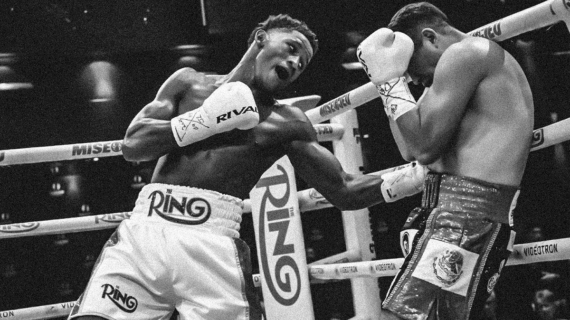
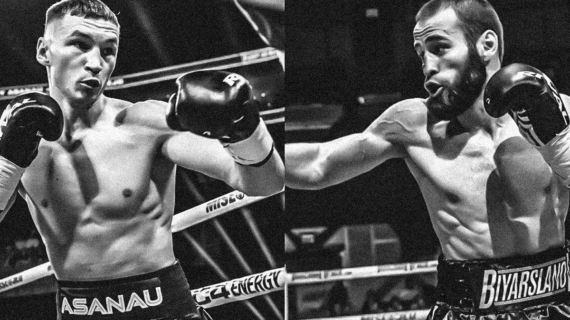
To convince yourself of this, I suggest watching his fight against another Cuban, Olympic champion Arlen Lopez (an amateur bout available on YouTube). The two boxers are of the same caliber, but the stylistic difference between them is enormous. While Lopez uses his mobility to avoid punches and vary the rhythm, Iglesias instead adopts a much more linear style.
Unlike Lopez, Iglesias makes very little use of stance switches and weight transfers to create offensive and defensive angles. When he plants himself, it is very often on his lead foot, which tends to hinder the quality of his movement. But my analysis should not stop there!

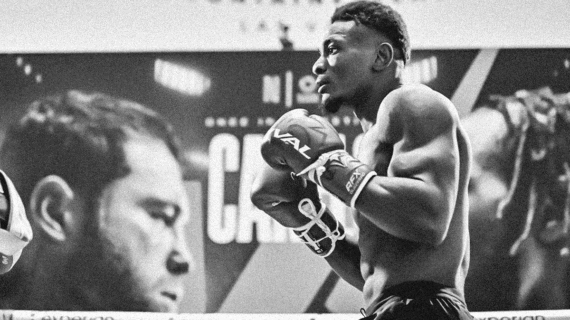
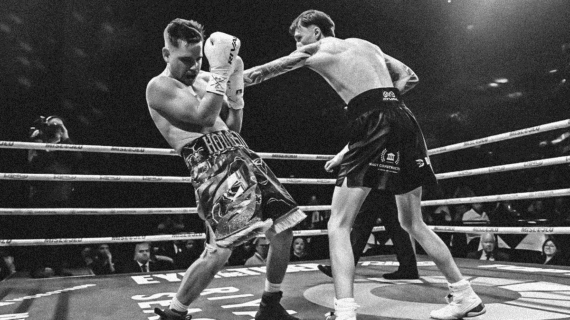
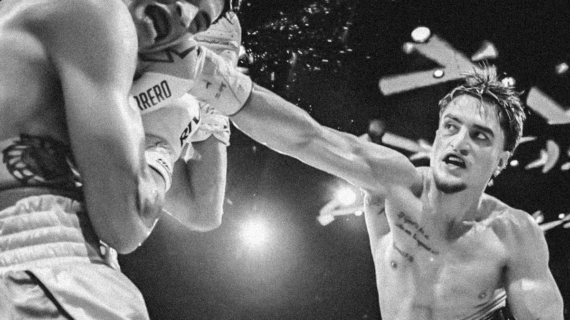
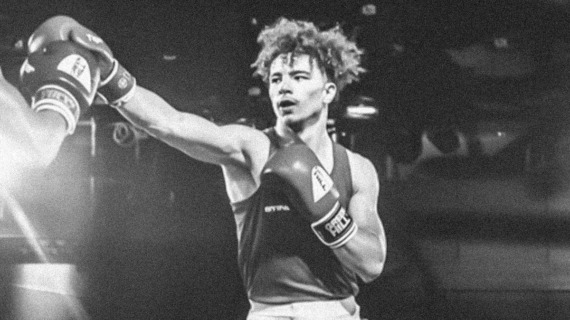
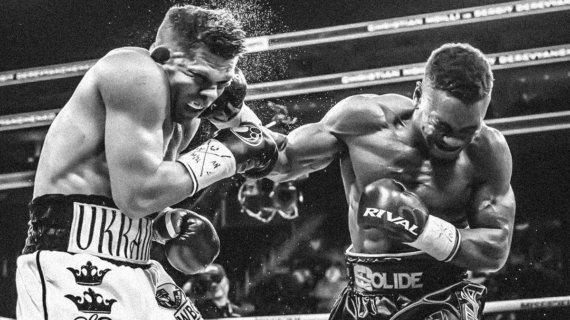
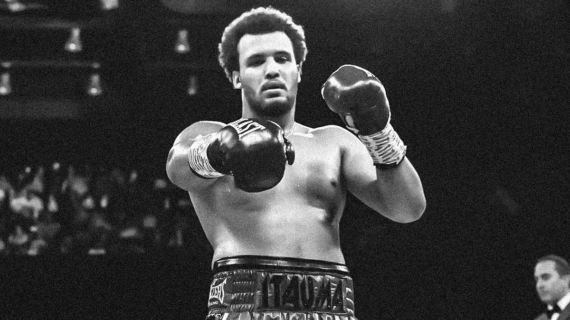
Photo: Prensa Latina – Arlen Lopez
IGLESIAS IS A MUCH BETTER BOXER THAN HE APPEARS TECHNICALLY!
As decisive as they may seem in determining the outcome of a fight, technical and strategic factors do not fully explain a boxer’s performances. My analysis must not overlook the influence of other often ignored factors: the intangibles.
These are the factors that very often disrupt the calculations of analysts and trainers. By definition, intangibles refer to what cannot truly be measured. That is the entire difficulty.
Take reaction speed as an example. It is one of the major qualities in a boxer. It can be measured to a certain extent. As a trainer, I can therefore predict that my boxer will have an advantage over a particular opponent because of superior execution speed.
But certain intangible factors may interfere with my predictions. It is possible that my boxer’s reaction speed (physical execution) decreases abnormally as the rounds progress in a fight where the pressure is more intense than usual. It is also possible that reactivity itself (fight reading and cognitive reaction speed) deteriorates. In such a case, this could be explained by the boxer’s inability to solve a particular type of opponent whose timing neutralizes even the slightest execution advantage.

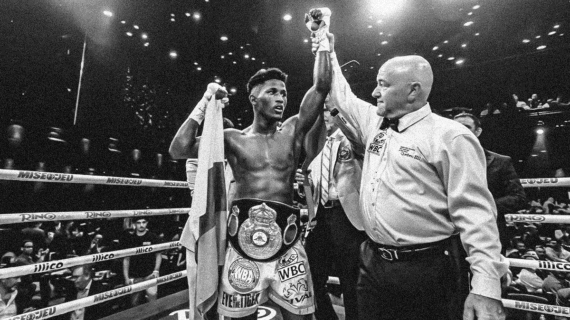
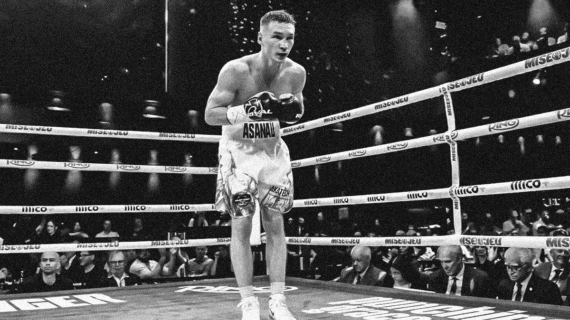
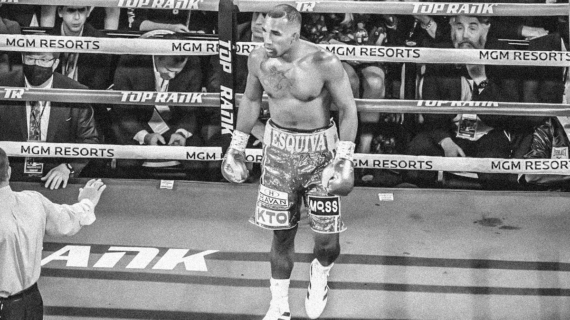
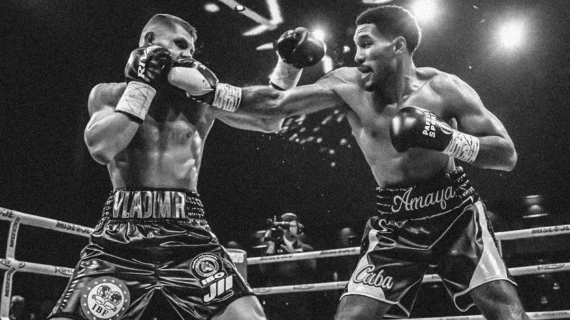
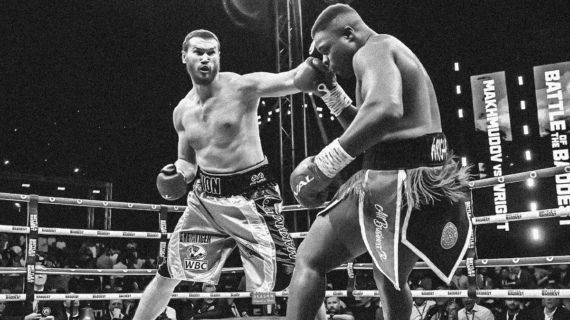
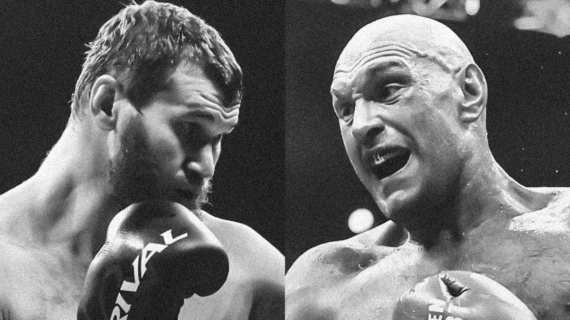
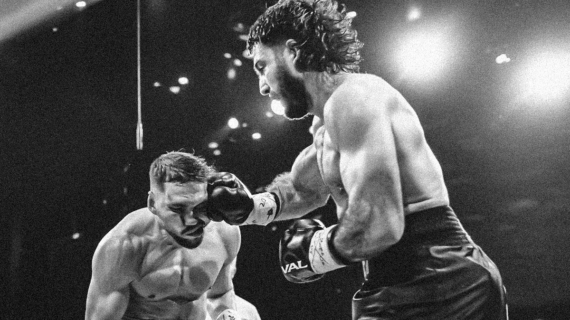
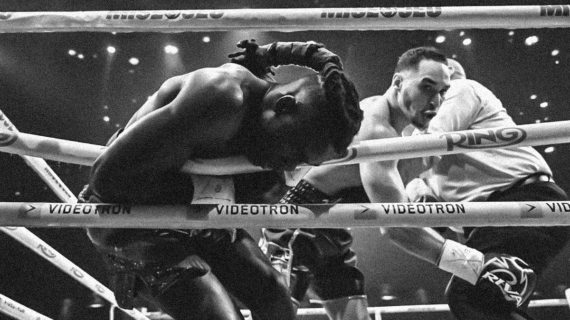
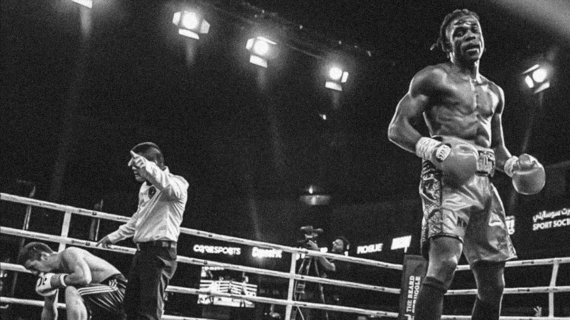
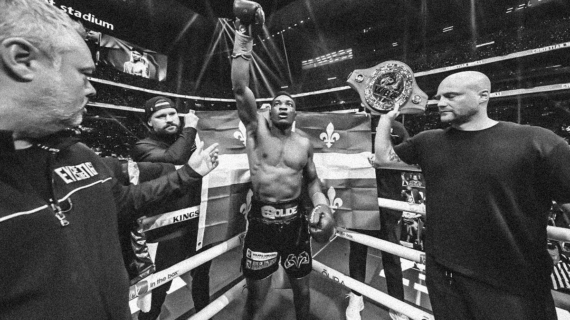
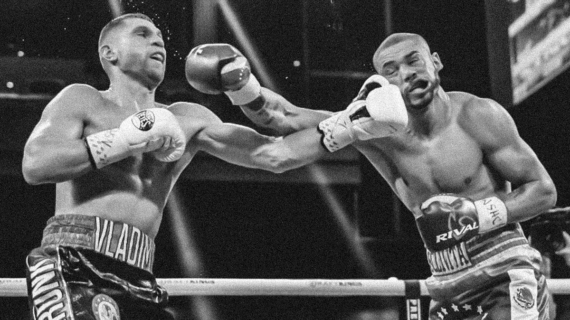
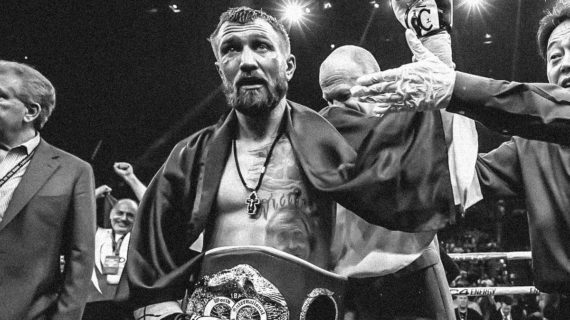
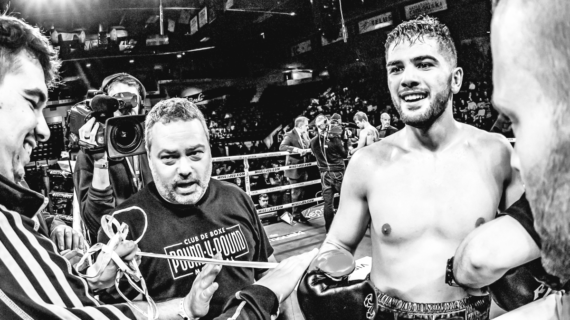
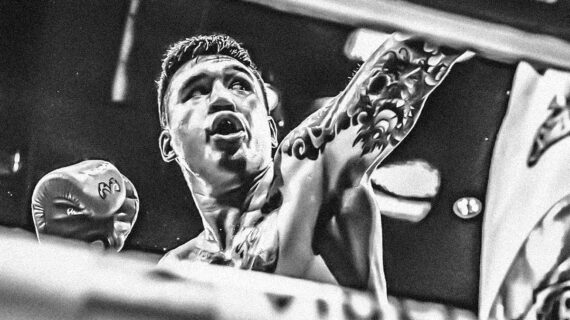
Photo: Vincent Ethier – Vladimir Shishkin vs Osleys Iglesias
Mental strength, constant pressure, composure, resilience, resistance to physical and psychological fatigue, etc. — these are all largely intangible factors that can change the complexion of a fight. But let’s be clear! It is especially in close fights that intangibles often impose themselves and outweigh technical and strategic elements.
COULD THE PRESENCE OF INTANGIBLE FACTORS EXPLAIN IGLESIAS’ RAPID SUCCESS?
In his fight against the Russian Pavel Silyagin, Iglesias did not look as sharp as he had in previous bouts. On that point, I agree with Wilkens Mathieu. I also believe that El Tornado appeared slow to adapt to his opponent’s circular movement.
Against Silyagin, an elite Cuban boxer in the traditional sense would likely have managed to cut off the ring. Even though relentless pressure is not usually associated with Cuban fighters, their footwork allows them to reduce space and trap opponents with ease when they choose to do so.
However, Iglesias possesses different tools than his compatriots. His style is more focused on systematic destruction. Thus, even though he failed to cut off the ring against Silyagin, Iglesias skillfully maintained the proper distance throughout the fight. It was only a matter of time before his opponent gave in.
I believe Iglesias belongs to the type of fighters capable of breaking their opponents. His sustained attacks and his way of dictating distance allow him to take control of the ring. And Iglesias is not the only boxer whose technique has been questioned at some point in his career.

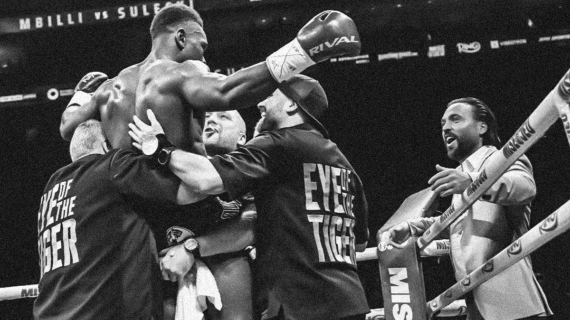
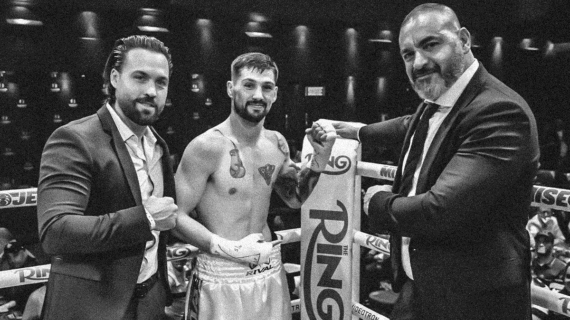
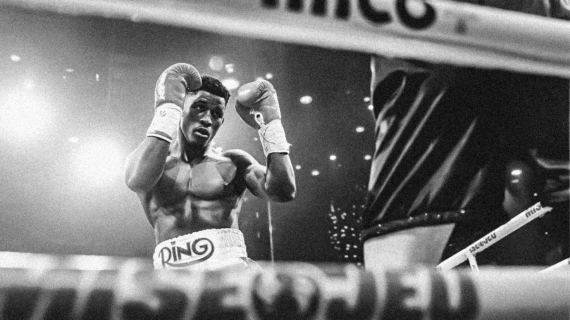
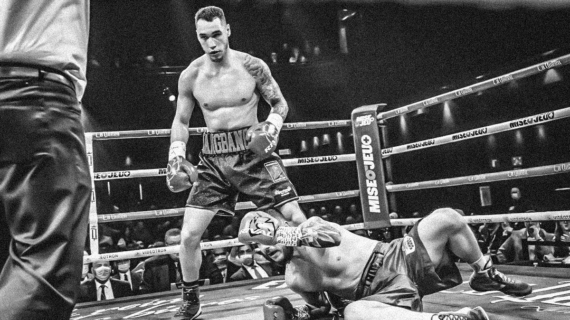
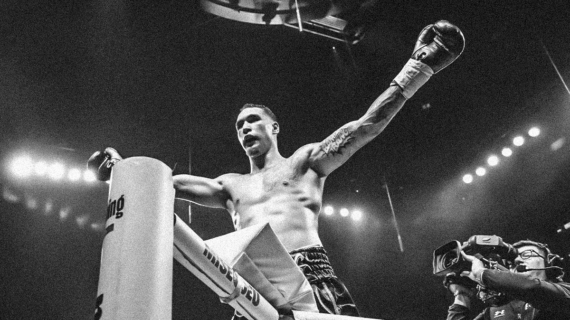
Photo: IG – Osleys Iglesias vs Pavel Silyagin
DAVID BENAVIDEZ: A STYLE CONSIDERED TOO MESSY!
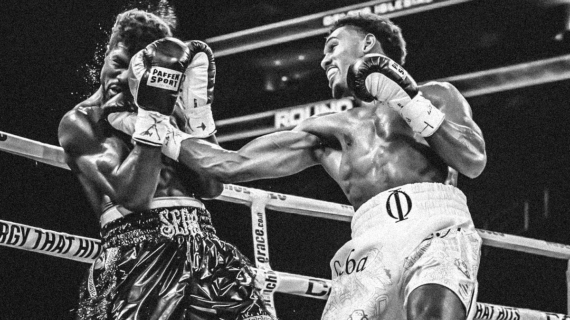
Especially early in his career, people doubted Benavidez’s ability to reach the highest level because of his technical flaws. You have certainly noticed that he tends to move forward in the ring while crossing his feet. Then, when he stops, he is often completely squared up to his opponent.
Defensively, Benavidez’s guard is static. He uses no head movement and no torso movement, whether lateral, backward, or circular. However, his critics eventually had to admit that the man nicknamed “The Monster” compensates for his defensive technical flaws with an airtight guard.
Furthermore, Benavidez’s ability to absorb punches allows him to counterattack effectively. And what can be said about his hand speed! Considering his performances, no one discredits him anymore.
That said, far be it from me to compare Benavidez to Iglesias here. My goal was simply to demonstrate that technical elements alone are not always enough to explain a boxer’s performance.

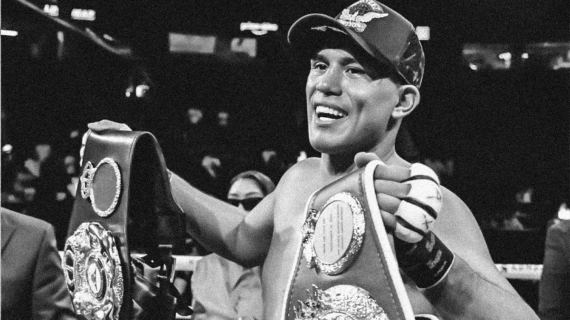
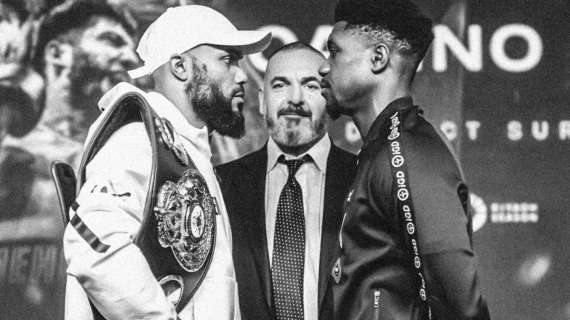
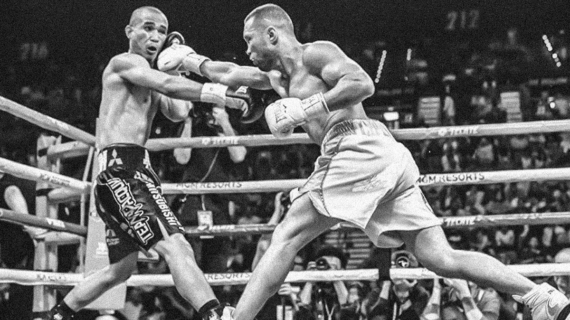
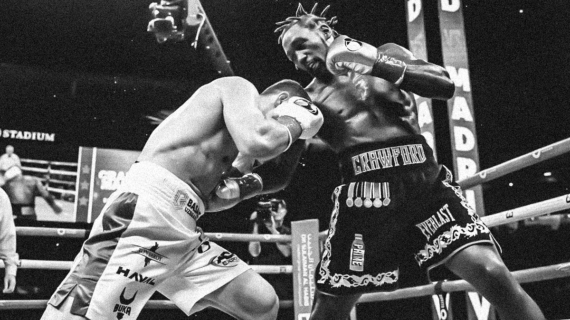
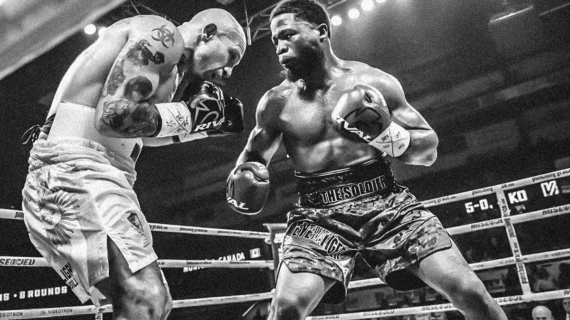
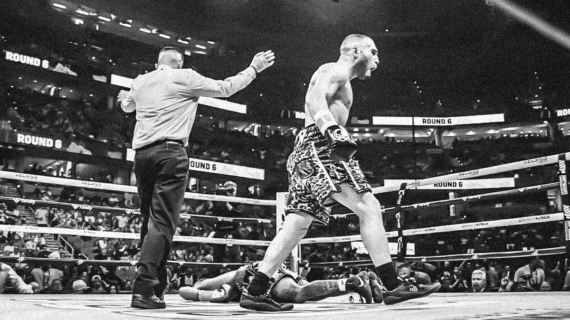
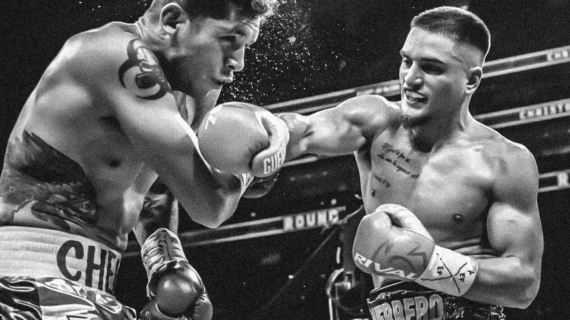
Photo: NEWS10 ABC – David Benavidez vs David Morrell
Despite everything, I still consider myself a devoted believer in technique and strategy. Consequently, if a fight between Wilkens Mathieu and Osleys Iglesias were to happen, I would side with the fighter who appears to me to be the better strategist and to possess the sharper technique. Therefore, I would favor Wilkens Mathieu, provided that he continues progressing technically and tactically.
You have probably understood that my choice largely results from professional bias. As a trainer, the technical and strategic aspects are the ones over which we have a certain degree of control. Consequently, these are the factors most of us like to see prevail. Yet reality can sometimes play tricks on us. Unfortunately, in those situations, we must deal with the intangibles!